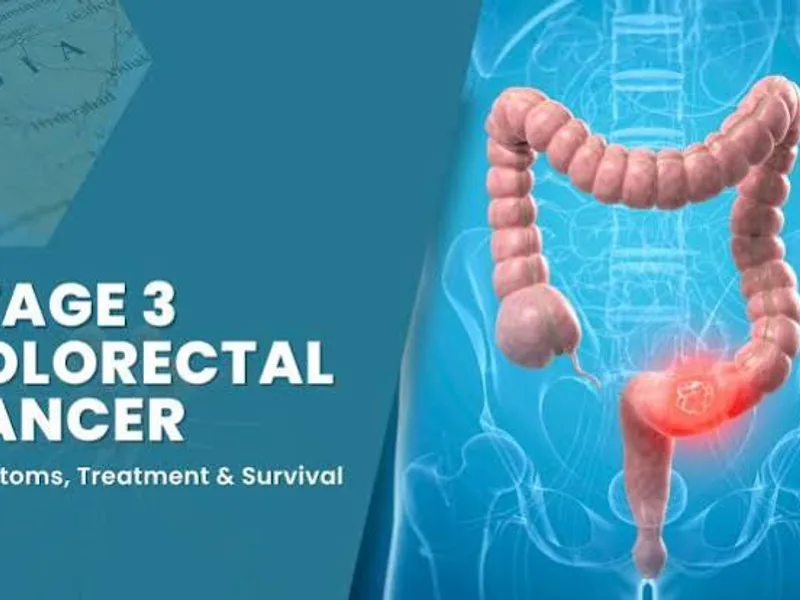
Stage 3B Colon Cancer at 32: What the Diagnosis Means
A stage 3B colon cancer diagnosis at 32 doesn't fit the picture most people carry around in their heads. Colon cancer is supposed to be an "older person's disease," something you start screening for at 45. So when it shows up in your early thirties, the first reaction is usually disbelief, then a scramble to understand what the stage number even means.
Here's the plain version. Doctor's don't hand out these numbers randomly.
What "Stage 3B" Actually Means
Colon cancer staging runs from 0 to 4, and it's based on how deep the tumor has grown and where it has spread. Stage 3 means the cancer has moved past the colon wall into nearby lymph nodes, but it hasn't reached distant organs like the liver or lungs — that's stage 4 territory. The "B" sub-label refers to the specific combination of tumor depth and number of lymph nodes involved, which oncologists use the T (tumor), N (nodes), M (metastasis) system to define.
It's a serious stage. It's also a treatable one. Stage 3 colon cancer, unlike stage 4, is generally approached with curative intent — meaning the goal of treatment is to eliminate the cancer, not just manage it.
Why This Is Happening More in People Under 40
Here's the part that genuinely surprises people: colon cancer in adults under 50 has been climbing for three decades, even as rates in older adults have fallen thanks to screening. Nobody has one clean answer for why. Diet, sedentary lifestyle, gut microbiome changes, and obesity all get named, but honestly, a lot of researchers will tell you the picture is still incomplete — and I'd rather say that plainly than pretend there's a tidy explanation. You can read more on the alarming rise of colon cancer in young adults if you want the fuller context.
In clinical practice, this age group is often missed early because neither patients nor doctors think to test for colon cancer in someone in their thirties. Bleeding gets chalked up to hemorrhoids. Fatigue gets blamed on a busy job. Cramping gets called IBS. By the time imaging happens, the cancer has often had months, sometimes years, to progress quietly.
The Symptoms Get Written Off Too Often
Rectal bleeding, a change in bowel habits that doesn't go away, unexplained weight loss, and persistent abdominal cramping are the ones worth taking seriously — especially if they stick around for more than a few weeks. Women in particular sometimes get symptoms attributed to gynecological causes first, which can delay diagnosis further; there's a good breakdown of this in colon cancer symptoms in women. If something feels off in your gut for more than a month, it's worth pushing for a colonoscopy rather than accepting a vague explanation. That one instinct — insisting on the scope — is often what catches these cancers before they progress further.
What Treatment Usually Looks Like
For stage 3B, the standard approach combines surgery to remove the affected section of colon and nearby lymph nodes, followed by adjuvant chemotherapy (chemo given after surgery to reduce the chance of recurrence). The exact chemo regimen and duration depend on individual risk factors, and this is a conversation to have directly with a medical oncologist — not something to plan from an article. Complications can occur along the way, from wound healing issues to nutritional changes, and it helps to know what's normal versus what needs an urgent call; this guide on colon cancer complications covers the common ones. Recurrence risk after treatment is also a real, ongoing concern for stage 3 patients, and monitoring for it is part of long-term follow-up care, explained further in this piece on colon cancer recurrence.
Living Through It at 32
This is the part clinical guidelines skip over. At 32, you might be building a career, raising young kids, or still figuring out whether you want them. Chemotherapy can affect fertility, so a conversation about fertility preservation — before treatment starts, if there's time — is worth having early with your oncology team. Work leave, insurance navigation, and telling family are their own separate weights to carry, on top of the physical toll of treatment.
It's fair to feel angry that this happened at this age. It's also fair to feel oddly lucky that it wasn't caught later. Both things can be true at once.
When to Get a Second Opinion
Colorectal cases sometimes involve differential diagnoses that need ruling out — conditions like colon lymphoma or, in rare cases, cancer that has spread to the colon from elsewhere in the body, can present with overlapping symptoms. If your diagnosis feels rushed, or the pathology report raises questions your care team hasn't fully answered, a second opinion at a high-volume cancer center is a reasonable, non-confrontational step to take. This is also a good moment to compare how colon cancer differs from other cancers with similar risk-factor overlap, such as this look at prostate cancer vs. colon cancer.