A sudden craving for something sweet does not automatically mean your body is “asking for sugar.”
That popular idea sounds convincing, but human appetite is more complicated. A craving can be shaped by hunger, habits, sleep, stress, emotions, food availability and the brain's response to rewarding foods. DOCTAR's nutrition guidance similarly describes sugar cravings as having several possible drivers rather than one simple cause.
So, is a sweet craving a sign of a nutrient deficiency? Usually, there is no good reason to make that leap.
The myth that cravings mean your body needs sugar
One of the most persistent claims online is that a craving tells you exactly what your body is lacking.
Craving chocolate is sometimes presented as proof of magnesium deficiency. Wanting sweets after exercise is described as evidence that the body urgently needs sugar. These explanations can sound scientific while skipping an important question: what does the person's overall diet and health look like?
A craving alone cannot establish a nutrient deficiency or diagnose a medical problem.
There may be biological influences behind appetite, but they are not that precise. A person who regularly eats sweet foods can also develop strong expectations around when and where those foods appear. The smell of a bakery, an evening cup of tea or even a familiar television programme can become linked with eating.
Why sweet foods can feel unusually rewarding
Sugar is not simply a matter of taste.
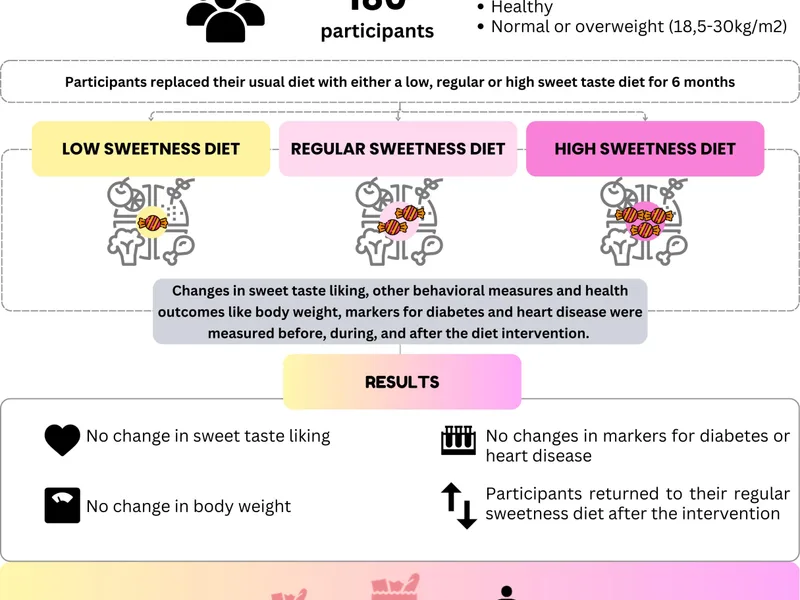
Sweet foods activate reward pathways in the brain, which helps explain why people may want to eat them again. But describing sugar as being exactly like an addictive drug is also an oversimplification.
The stronger point is behavioural. Repeated exposure, food cues and highly palatable foods can reinforce eating habits. DOCTAR's guide to reducing sugar cravings discusses the role of sleep, stress, meal patterns, fibre and protein in managing cravings.
That does not mean every person with a sweet tooth has a “sugar addiction.”
Hunger can disguise itself as a sweet craving
Skipping meals can make cravings harder to manage.
When someone goes for long periods without eating, ordinary hunger may become intense. At that point, a quickly available, sweet or refined-carbohydrate food can look especially appealing.
This is one reason extreme restriction can backfire for some people. DOCTAR's guide to eating well with diabetes recommends balanced meals containing carbohydrates, protein, healthy fats and fibre rather than eliminating entire food groups without a reason.
The same principle can be useful for general eating habits: build satisfying meals instead of relying on willpower to survive hunger.
Sleep and stress can change appetite
Poor sleep can make food choices harder.
Sleep affects hormones and brain systems involved in appetite and reward. Stress can also change eating behaviour, with some people reaching more often for foods that provide quick pleasure or comfort.
In clinical practice, this is often missed because the conversation becomes “stop eating sweets” instead of asking what happened before the craving appeared. Was lunch skipped? Was the person exhausted? Did a stressful day end with a familiar dessert routine?
Those details matter.
DOCTAR also links stress management and emotional distress with broader health and lifestyle concerns.
Myth: You must completely stop eating sweets
For most people, healthy eating does not require declaring every sweet food forbidden.
A rigid rule can make a particular food feel even more desirable. That does not mean unlimited sweets are harmless. Added sugars and highly processed foods can contribute excess calories and can make it harder to maintain a balanced diet when consumed frequently.
The more useful question is often: How frequently am I eating these foods, how much, and what does the rest of my diet look like?
DOCTAR's diabetes-friendly meal guide recommends paying attention to added sugars while building meals around vegetables, protein, fibre and appropriate carbohydrate portions.
Myth: Natural sugar does not count
“Natural” is not a magic nutritional category.
Fruit contains naturally occurring sugar, but whole fruit also provides fibre, water and other nutrients. Fruit juice is different because processing can remove much of the fibre and make it easier to consume a large amount quickly.
DOCTAR's guide to low-glycemic fruits explains why whole fruit and fruit juice should not automatically be treated as nutritionally equivalent.
Likewise, replacing table sugar with a “natural” sweetener does not automatically make a diet healthy.
Myth: Sugar cravings always mean diabetes
A sweet craving by itself is not a reliable sign of diabetes.
Diabetes is diagnosed through appropriate medical evaluation and blood-glucose testing, not by asking whether someone likes sweets. People can have diabetes without strong sugar cravings, while people without diabetes can have frequent cravings.
Other symptoms or risk factors may warrant medical assessment. Anyone concerned about blood sugar should speak with a doctor rather than trying to diagnose the condition from food preferences.
DOCTAR's resources on prediabetes diagnosis and understanding the glycemic index provide useful background on blood-glucose regulation.
What actually helps with recurring cravings?
Start with the basics before chasing complicated explanations.
Regular, balanced meals can reduce extreme hunger. Protein and fibre can help meals feel more satisfying, while adequate fluids and sleep support normal appetite regulation. DOCTAR's smart snacking guide for type 2 diabetes also emphasises portion awareness, protein, fibre and limiting added sugars.
It is also worth looking at drinks. Sweetened tea, coffee, soft drinks and fruit juices can add substantial sugar without creating the same sense of fullness as solid food. DOCTAR's diabetes and drinks guide discusses lower-sugar beverage choices and why sugary drinks can affect blood glucose.
For some people, changing the environment helps too. Keeping sweets out of immediate reach, planning snacks and eating without distractions can make a surprising difference.
What about sugar substitutes?
Sugar substitutes can be useful in some situations, but they are not a nutritional free pass.
Stevia, monk fruit and some sugar alcohols can reduce added sugar in particular foods and drinks. But products vary, and replacing sugar with a sweetener does not automatically improve the overall quality of a diet.
DOCTAR's guide to natural sweeteners notes that “natural” sweeteners still need to be considered within the wider dietary pattern.
People with diabetes should also consider their individual treatment and nutritional needs before making major dietary changes.
When cravings deserve a closer look
Occasional cravings are common. A persistent change in appetite is a different matter.
If cravings are accompanied by significant changes in weight, excessive thirst, frequent urination, unusual fatigue or other concerning symptoms, medical advice is sensible. The same applies if eating feels uncontrollable, causes significant distress or repeatedly interferes with daily life.
Diet should not become a constant battle with food.
People managing prediabetes or diabetes may benefit from personalised nutritional advice rather than copying an online diet. DOCTAR's prediabetes diet guide discusses portion size, meal timing, fibre and carbohydrate quality in that context.