Symptoms of hypertension, in short
Most people with hypertension have no symptoms at all, according to the CDC and Mayo Clinic — even when blood pressure readings reach dangerously high levels. When symptoms do occur, they tend to be vague and nonspecific, like headache, blurred vision, or fatigue, and usually only show up once blood pressure has been elevated for a long time or has spiked severely. That's why hypertension is often called a "silent" condition, and why regular blood pressure checks matter more than watching for symptoms.
[REVIEWER: add clinical insight here — e.g., how often patients are surprised to learn their blood pressure is high despite feeling fine]
High blood pressure means the force of blood against artery walls stays consistently too high, making the heart work harder over time. Mayo Clinic is direct on this point: most people with high blood pressure have no symptoms, even if their readings reach dangerously high levels. That's part of what makes hypertension so risky — arteries and organs can sustain damage for years while a person feels completely normal.
This silent progression is also why hypertension is sometimes discovered only during a routine checkup or a health screening unrelated to any complaint. The CDC states plainly that high blood pressure has no warning signs or symptoms for most people, which is the core reason regular blood pressure checks are recommended starting in early adulthood rather than waiting for symptoms to prompt a visit.
The symptoms that occasionally do appear
When hypertension does cause symptoms, they tend to be general and easy to attribute to something else. A Mayo Clinic Healthcare physician quoted by Mayo Clinic News Network noted that blurred vision, chest pain, heart palpitations, nosebleeds, shortness of breath, and feeling generally unwell or tired can occur with high blood pressure — but she also emphasized these symptoms aren't specific to hypertension and can have many other causes.
That nonspecificity is the key point: a headache or feeling tired doesn't reliably tell you anything about your blood pressure one way or the other. The only way to know blood pressure numbers is to actually measure them, at home or at a clinic, rather than trying to infer them from how you feel.
Understanding the numbers
Under current American Heart Association and American College of Cardiology guidelines, blood pressure is grouped into categories rather than a simple normal-versus-high split. Normal blood pressure is below 120/80 mm Hg. Elevated blood pressure means the top number falls between 120 and 129 with the bottom number still below 80. Stage 1 hypertension covers a top number of 130 to 139 or a bottom number of 80 to 89, and Stage 2 hypertension means a top number of 140 or higher, or a bottom number of 90 or higher.
Elevated blood pressure isn't yet classified as hypertension, but Mayo Clinic notes it tends to worsen over time without lifestyle changes, which is why catching it at that stage — again, usually only through measurement, not symptoms — is valuable.
[REVIEWER: add clinical insight here — e.g., how you talk with patients about the shift from "prehypertension" language to the current elevated/stage 1/stage 2 categories]
When symptoms mean an emergency: hypertensive crisis
There's one clear exception to the "no symptoms" pattern, and it's serious. A hypertensive crisis is a sudden, severe spike in blood pressure to 180/120 mm Hg or higher. Mayo Clinic describes two forms: an urgent hypertensive crisis, where blood pressure is that high without signs of organ damage, and an emergency hypertensive crisis, where the same blood pressure level comes with life-threatening organ damage.
A hypertensive crisis is a medical emergency. Anyone with a blood pressure reading at or above 180/120 mm Hg — particularly if accompanied by chest pain, shortness of breath, severe headache, vision changes, or difficulty speaking — should seek emergency medical care immediately rather than waiting to see if symptoms pass.
What high blood pressure does over time
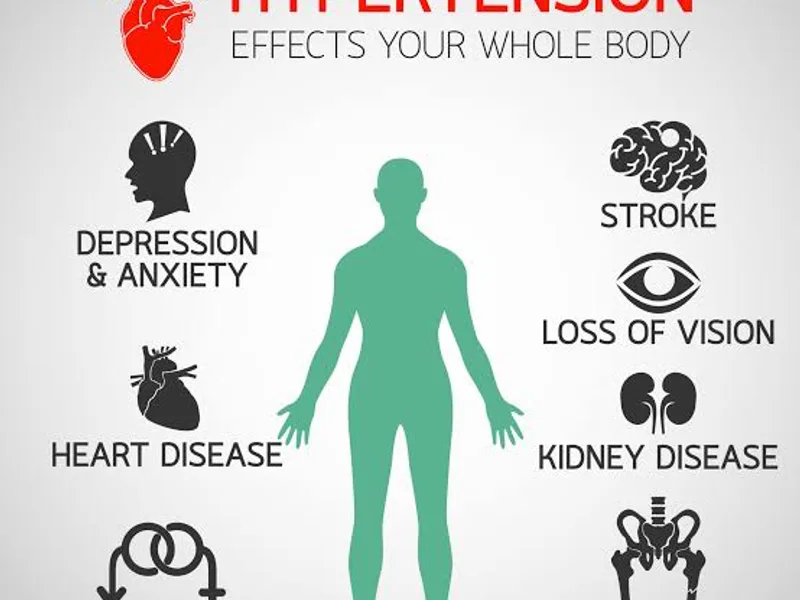
Because hypertension so rarely causes noticeable symptoms, its real danger lies in what it does silently. Mayo Clinic explains that over years, elevated pressure damages and narrows arteries, forcing the heart to work harder and raising the risk of heart attack, stroke, kidney disease, and vision problems. Some research also links long-term elevated blood pressure to cognitive changes affecting memory, language, and thinking.
This is also why hypertension is closely tied to other chronic conditions. Mayo Clinic Healthcare's guidance notes that untreated high blood pressure raises the risk of metabolic syndrome, a cluster of conditions that itself increases the risk of type 2 diabetes — underscoring that cardiovascular and metabolic health are closely connected rather than separate concerns.
Who's at higher risk
Lifestyle factors that raise hypertension risk include carrying excess weight, tobacco use, heavy alcohol use, high stress, a high-sodium diet, insufficient potassium intake, and physical inactivity, according to Mayo Clinic Healthcare. On the protective side, regular exercise, a heart-healthy diet rich in fruits, vegetables, and whole grains, stress management, avoiding tobacco, and adequate sleep are all associated with lower risk.
A practical takeaway
Because hypertension is silent for most people, the single most useful thing you can do is get your blood pressure checked regularly — Mayo Clinic recommends at least every two years starting at age 18, more often if you have risk factors or a prior elevated reading — rather than waiting to feel something is wrong. If you ever get a reading of 180/120 mm Hg or higher, especially with chest pain, trouble breathing, or vision or speech changes, treat that as an emergency and seek care immediately, not as a number to monitor at home.
FAQ
Does high blood pressure usually cause symptoms? No. Most people with hypertension have no symptoms at all, even at dangerously high readings, according to the CDC and Mayo Clinic. This is why it's often called a "silent" condition and why regular blood pressure checks matter more than symptom-watching.
What are the warning signs of dangerously high blood pressure? A blood pressure reading of 180/120 mm Hg or higher is considered a hypertensive crisis and a medical emergency, according to Mayo Clinic. Warning signs to seek immediate care for include chest pain, shortness of breath, severe headache, and vision or speech changes at that blood pressure level.
Can hypertension cause headaches? Occasionally, though headache isn't a reliable indicator of blood pressure on its own. Mayo Clinic notes symptoms like headache, blurred vision, or fatigue can occur with high blood pressure but are nonspecific and often have other causes, so measurement is the only reliable way to know your numbers.
How often should blood pressure be checked? Mayo Clinic recommends checking blood pressure at least every two years starting at age 18, with more frequent checks for people with risk factors or previous elevated readings. Since hypertension rarely causes symptoms, routine checks are the main way it gets caught early.
What's the difference between elevated blood pressure and hypertension? Elevated blood pressure means systolic readings of 120–129 mm Hg with diastolic below 80, while hypertension (Stage 1 or 2) starts at 130/80 mm Hg or higher under current AHA/ACC guidelines. Elevated blood pressure isn't yet hypertension but tends to progress toward it without lifestyle changes.