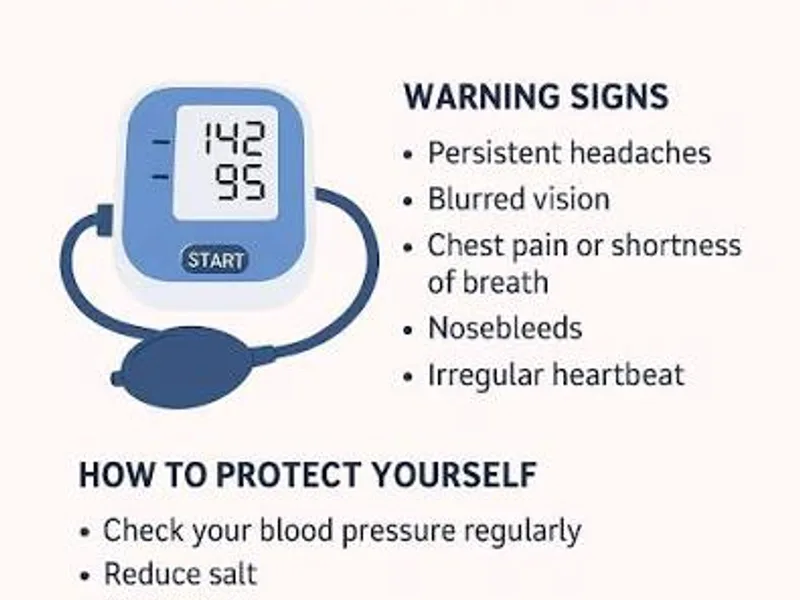
Why Hypertension Earned the Name "Silent Killer"
High blood pressure, or hypertension, doesn't announce itself. Most people with elevated numbers feel completely normal, which is exactly the problem. By the time symptoms show up, whether that's a stroke, a heart attack, or kidney damage, the arteries have often been under strain for years.
That's the whole reason the nickname stuck. It's not dramatic language for the sake of a headline. It reflects a real clinical pattern where the damage accumulates quietly, invisibly, and the first sign someone gets is sometimes the worst one.
How Alcohol Actually Raises Blood Pressure
Here's where it gets interesting, and a little counterintuitive. A single drink can actually lower blood pressure briefly, because alcohol initially acts as a vasodilator, meaning it widens blood vessels. That's why a drink can feel relaxing in the moment.
But that effect doesn't last. As your body metabolizes the alcohol, it activates the sympathetic nervous system, the part of your body responsible for the fight-or-flight response, releasing stress hormones like cortisol and adrenaline. This reversal pushes blood pressure back up, often higher than baseline, and the pattern repeats with regular drinking until it becomes a chronic, elevated state rather than a temporary spike.
Large population studies going back decades have found a fairly linear relationship: more alcohol, higher blood pressure, with no clear safe threshold identified for men and increasing risk for women even at lower intake. Randomized trials confirm the reverse holds too. Cutting back on alcohol measurably lowers blood pressure in people who already have hypertension.
The Dose Matters More Than People Think
This is the part that surprises people who consider themselves light or "social" drinkers. A large Copenhagen population study found blood pressure increases were minimal at one drink a day or less, but rose in a fairly straight line beyond that point. There's no dramatic cliff edge, just a steady climb the more you drink.
A 2025 dose-response meta-analysis reinforced the same pattern with no threshold effect, meaning the relationship starts at low levels and simply gets worse from there. And a more recent Japanese study following habitual drinkers found that even modest reductions in alcohol intake led to measurable improvements in blood pressure, which is honestly one of the more encouraging findings in this whole area of research. You don't necessarily need to quit entirely to see a benefit. Cutting back matters.
The Danger of Mixing Alcohol With Blood Pressure Medication
In clinical practice, this is often the piece that gets missed entirely: people assume that because they're on medication for blood pressure, moderate drinking is fine to continue as usual. It's more complicated than that. Doctar's guide on amlodipine drug interactions explains how alcohol combined with a common blood pressure medication can cause blood pressure to drop too far, leading to dizziness or fainting, which is its own kind of dangerous.
This matters especially for people managing related heart conditions. If you're on blood thinners or managing atrial fibrillation, alcohol can trigger what's sometimes called "holiday heart syndrome," a sudden rhythm disturbance often linked to binge drinking. Doctar's piece on whether AFib is hereditary and its guide to foods that worsen AFib both flag alcohol as a meaningful trigger worth discussing with your cardiologist directly.
What New Guidelines Say, and Why That Matters
The 2025 ACC/AHA high blood pressure guideline updated its stance on alcohol, recommending abstinence or capping intake at roughly one drink daily for women and two for men as part of nonpharmacological management. That's stricter than a lot of older public health messaging, and it reflects how much the evidence has shifted in recent years toward "less is measurably better" rather than assuming a small amount is harmless.
If you already have elevated cholesterol alongside blood pressure concerns, the two tend to travel together, and Doctar's overview of high cholesterol causes and risk reduction covers how alcohol factors into that picture too. Kidney health is part of the same conversation, since chronically elevated blood pressure and alcohol both strain the kidneys independently. Doctar's guides on kidney disease and alcohol and managing IgA nephropathy are worth a read if kidney function is already a concern for you.
Practical Steps to Protect Your Numbers
Start by actually knowing your numbers rather than assuming you're fine because you feel fine. That's genuinely the whole point of calling this a silent condition. If you drink regularly, Doctar's honest breakdown of how much alcohol is too much is a reasonable starting point for understanding where your habits actually sit.
Movement helps independently of drinking habits, and it's one of the more reliable levers you have. Doctar's guides on walking an hour a day, building a morning walking habit, and walking after meals all support healthier blood pressure over time. Pacing your training matters too, and how often you should really do cardio alongside gentler low heart rate training is a sustainable way to build cardiovascular fitness without overdoing it, and tracking your resting heart rate over time is a reasonable, low-effort way to notice trends. For anyone recovering from a cardiac event, Doctar's safe exercise guide after heart disease treatment is worth reading before starting anything new.
Diet plays its part too. Doctar's practical tips on everyday eating and movement habits and its guide on managing diabetes affordably both connect back to blood pressure, since blood sugar and blood pressure regulation often overlap. Weird as it sounds, being aware of unrelated symptoms matters too. Sudden chest pressure or unexplained fainting should never be brushed off, and Doctar's explainer on asystole and cardiac emergencies is worth knowing regardless of your current health status.
For structured support, a registered dietitian, a local nutrition and wellness centre, or a weight management centre can build a plan around your actual bloodwork. Most importantly, get your blood pressure checked regularly by a cardiologist or through nearby cardiologist listings rather than waiting for a symptom that may never come until it's serious. Understanding conditions like hypertrophic cardiomyopathy, and even advanced stroke-prevention options like the ones discussed in Doctar's guide to WATCHMAN device coverage, can help you understand where untreated hypertension eventually leads if left unmanaged.