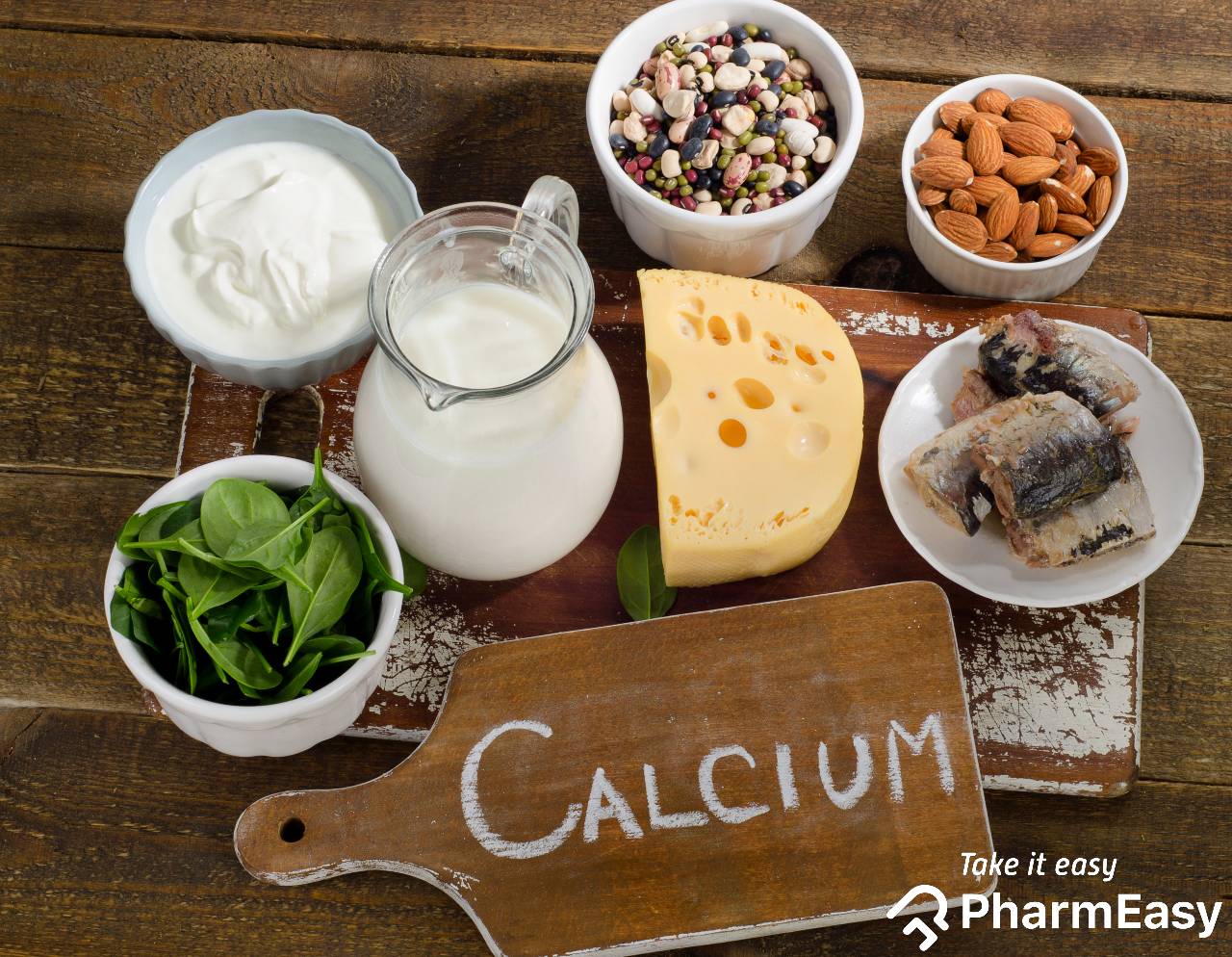
Top Food Sources of Calcium for Your Bones
Meena, 45, a homemaker from Jaipur, noticed a persistent ache in her wrists and knees. Initially dismissing it as exertion from her daily chores – which often involve sitting on the floor for extended periods – the discomfort grew.
Her doctor suggested it might be related to her mineral consumption, a concern many Indian women face, especially as they age. Have you ever wondered why strong bones are so crucial, not just for mobility but for overall well-being?
This essential mineral is more than just a nutrient; it's the fundamental building block of our skeletal system. It fortifies our bones and teeth, ensuring structural integrity and enabling movement. Beyond that, it plays a vital role in nerve function, muscle contraction, and even blood clotting.
The reality is, without sufficient levels of this mineral, our bodies begin to draw it from our bones, leading to weakening and increased fracture risk. Practically speaking, maintaining optimal amounts is a lifelong endeavour.
Most people overlook this completely.
The Importance of Calcium for Bone Health
Bone is living tissue, constantly undergoing remodelling. Throughout our lives, old bone is broken down and new bone is formed. This process is critically dependent on this mineral. Peak bone mass is typically achieved in our late twenties.
After that, bone density can gradually decline if this mineral and other essential nutrients aren't consistently supplied. This decline is particularly concerning for post-menopausal women due to hormonal changes that accelerate bone loss. The National Osteoporosis Foundation highlights that approximately 1 in 2 women over 50 will break a bone due to osteoporosis, a condition directly linked to low levels of this mineral and vitamin D.
In India, where traditional diets might not always be rich in this mineral, awareness is key. While figures vary, estimates suggest a significant portion of the Indian population may have inadequate consumption.
The Indian Council of Medical Research (ICMR) has established Recommended Dietary Allowances (RDAs) for this mineral, which vary by age and gender. For an average adult, this is around 600 mg per day, increasing to 1000-1200 mg for adolescents, pregnant/lactating women, and older adults.
That's the part worth remembering.
Dairy: The Undisputed Champion?
When discussing this mineral, dairy products immediately come to mind for many. Milk, yogurt, and cheese are indeed excellent providers, offering highly bioavailable forms – meaning our bodies can absorb and utilise it effectively.
A single cup (240 ml) of milk can provide around 300 mg of this mineral, nearly 30% of the daily requirement for an adult. Yogurt offers a similar amount, with Greek yogurt often containing even more.
Cheese, particularly hard cheeses like cheddar or parmesan, is also dense in this mineral. Just one ounce (28g) of cheddar can offer about 200 mg. However, affordability and lactose intolerance are considerable considerations for a large segment of the Indian population. Honestly, while dairy is a powerhouse, it’s not the only option.
Non-Dairy Calcium Sources: A World of Options
For those who are lactose intolerant, vegan, or simply prefer to avoid dairy, a wealth of plant-based providers exists. Fortunately, many traditional Indian staples are surprisingly good contributors.
That's the part worth remembering.
Leafy Greens: Nature's Calcium Bounty
Dark, leafy vegetables are nutritional powerhouses. While some varieties, like spinach (palak), contain oxalates that can hinder absorption, others are excellent choices. Mustard greens (sarson ka saag), turnip greens, and collard greens are fantastic providers.
A cup of cooked mustard greens, for instance, can provide over 100 mg. Ragi (finger millet), a staple in South India, is another incredible provider. Just 100 grams of ragi flour can contain approximately 350-400 mg.
Does this sound familiar? Many Indian households regularly incorporate these vegetables into their meals, especially during the monsoon season when fresh produce is abundant. Utilising them more consciously can significantly boost consumption.
Legumes and Lentils: Humble Yet Mighty
Lentils (dal) and beans are not just protein powerhouses; they also contribute valuable amounts of this mineral. Kidney beans (rajma), black-eyed peas (chawli), and chickpeas (chana) are good options.
Here's where it gets interesting.
A cooked cup of white beans can offer around 100 mg. Incorporating a variety of dals and legumes into daily meals—like sambar, dal makhani, or chana masala—adds both flavour and essential nutrients.
Nuts and Seeds: Tiny Titans of Nutrition
Seeds, in particular, are surprisingly rich in this mineral. Sesame seeds (til), especially when consumed as tahini or roasted, are excellent. Just two tablespoons of tahini provide about 125 mg. Almonds are another fantastic choice, offering about 75 mg per ounce (28g), along with healthy fats and vitamin E.
Chia seeds and flaxseeds, while perhaps less traditional in large quantities, are also good providers. Adding a sprinkle of these seeds to your morning smoothie, yogurt, or even roti dough can make a difference. Remember, consistency is key.
Fortified Foods: A Modern Solution
In recent years, fortified foods have become increasingly common. Many plant-based milks (soy, almond, oat), orange juices, and cereals are now supplemented with this mineral and vitamin D. Reading labels is essential to identify these products.
For example, some brands of fortified soy milk can provide as much of this mineral as cow's milk per serving. This offers a convenient way to supplement requirements, especially for those struggling to meet their needs through whole foods alone.
The numbers don't lie.
Factors Affecting Calcium Absorption
Here's the thing: simply consuming foods rich in this mineral isn't the whole story. How much your body actually absorbs is equally important.
Vitamin D is the star player here, acting like a key that unlocks absorption in the gut. Sunlight exposure is the primary natural provider of Vitamin D, but dietary provisions and supplements are also crucial, especially in urban environments with limited sun exposure or during prolonged periods indoors.
The World Health Organization (WHO) recommends adequate vitamin D levels for optimal utilisation of this mineral. Other factors influencing absorption include age (absorption decreases with age), hormonal status, and the presence of certain substances in food.
As mentioned, oxalates (found in spinach and rhubarb) and phytates (found in whole grains and legumes) can bind to this mineral, reducing its bioavailability. However, techniques like soaking, sprouting, and fermenting grains and legumes can help reduce phytate levels.
Have you ever wondered why some people seem to get enough of this mineral but still struggle with bone health? It often comes down to absorption.
Calcium Needs Across Different Life Stages
Requirements for this mineral aren't static; they evolve throughout our lives. Infants and young children need it for rapid bone growth. Adolescents require meaningful amounts (around 1300 mg/day) to build peak bone mass.
That alone changes everything.
Young adults continue to need substantial amounts to maintain bone density. During pregnancy and breastfeeding, needs increase to support both maternal bone health and fetal development.
Going back to what we discussed, older adults, particularly post-menopausal women, face heightened risks. Their bodies become less efficient at absorbing this mineral, and bone resorption may outpace formation.
Therefore, meeting the higher recommended levels (1200 mg/day) becomes paramount. Staying active with weight-bearing exercises also significantly aids in bone health, complementing dietary needs.
Cultural Context and Dietary Habits in India
India's diverse culinary landscape presents both challenges and opportunities for acquiring this mineral. While some regional diets are rich in dairy and vegetables, others might rely more heavily on grains.
Traditional festival diets, often rich in sweets and fried foods, may not be ideal for bone health if consumed excessively. Understanding how to weave foods rich in this mineral into everyday meals, festivals included, is essential.
For instance, incorporating ragi dosas or idlis, adding sesame seeds to ladoos, or ensuring a bowl of dal and a green vegetable accompanies most meals can make a substantial difference. Making informed choices, even within traditional frameworks, is key.
The Lancet has published studies highlighting the nutritional status of various Indian populations, underscoring the need for targeted dietary interventions.
Putting it All Together: A Sample Day
Let's visualise how one might achieve adequate amounts of this mineral. A typical day could start with a glass of milk or fortified plant-based milk (approx. 300 mg), perhaps with a bowl of ragi porridge. Lunch might include dal, a mixed vegetable curry featuring greens like mustard or fenugreek leaves (methi), and roti (approx. 150-200 mg from dal and greens).
Most people overlook this completely.
An afternoon snack could be a handful of almonds (approx. 75 mg). Dinner might feature another serving of dal or a bean-based dish, alongside a side of yogurt (dahi) (approx. 150 mg from yogurt). This hypothetical day easily surpasses 600-700 mg, demonstrating that with conscious planning, meeting requirements is achievable.
Practically speaking, variety is the spice of life and the cornerstone of good nutrition. Aiming for a diverse range of providers ensures you get not only this mineral but also other essential nutrients that support bone health, like magnesium, phosphorus, and vitamin K.
Key Takeaways
- This mineral is vital for bone structure, nerve function, and muscle activity.
- Adequate consumption is crucial throughout life, especially for adolescents, older adults, and post-menopausal women.
- Dairy products are excellent providers, but numerous non-dairy options like leafy greens (mustard greens), ragi, legumes, nuts, and seeds are also highly beneficial.
- Vitamin D is essential for absorption of this mineral; adequate sunlight exposure and dietary provision are necessary.
- Over 101 million Indians have diabetes (ICMR, 2023), highlighting the importance of overall health and nutrition. While not directly related to this mineral, it underscores the need for informed dietary choices.
Always consult a qualified physician before making any medical decisions.