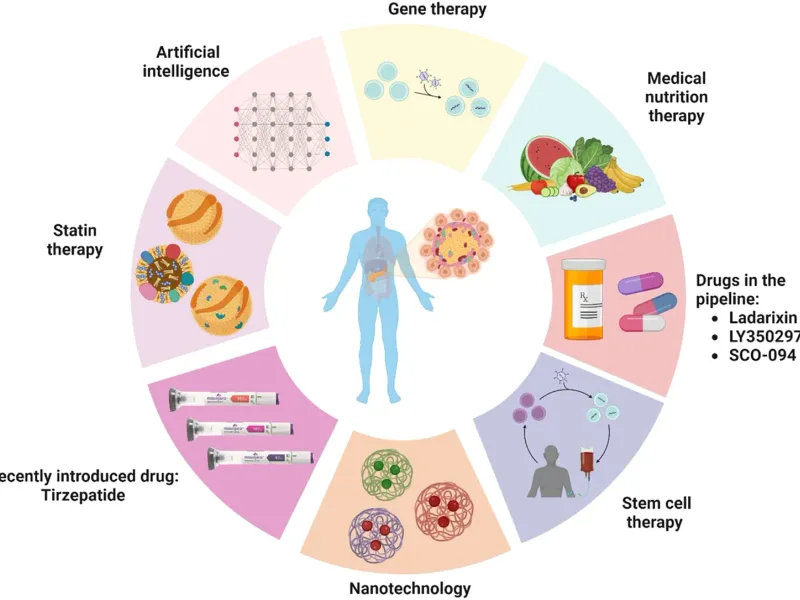
Diabetes treatment depends on which type a person has. <cite index="24-1">People with type 1 diabetes will likely take a combination of different insulins, prescribed by a doctor based on how quickly the insulin works and how long it lasts in the body.</cite> Type 2 diabetes is often managed first through lifestyle changes and oral medication, with insulin added later if needed. Across all types, ongoing blood sugar monitoring and self-management support play a central role.
[REVIEWER: add clinical insight here — e.g., how you typically walk a newly diagnosed patient through their treatment options, or common misconceptions patients have about insulin]
Type 1 diabetes is an autoimmune condition in which the pancreas stops making enough insulin, so daily insulin therapy is the foundation of treatment. <cite index="24-1">Insulin is classified by how quickly it starts working, when it reaches peak strength, and how long its effects last, and most people with type 1 diabetes take a combination of these types to cover both mealtime and background insulin needs.</cite> A doctor determines the right insulin type, combination, and delivery method for each person — options include injections, pens, or pumps.
One of the more significant recent developments is the ability to intervene before type 1 diabetes fully develops. <cite index="22-1">Type 1 diabetes develops gradually in stages, and recent advances now make it possible to diagnose the condition before symptoms appear. A medicine called teplizumab is approved for people in stage 2 of type 1 diabetes — before symptoms start — to delay progression to stage 3, when symptoms emerge, and is approved for use in patients aged 1 year and older,</cite> according to the CDC.
Beyond insulin, people with type 1 diabetes benefit from regular blood sugar monitoring, carbohydrate counting, and ongoing coordination with a healthcare team to adjust treatment as needs change over time.
Type 2 diabetes develops when the body's cells resist the effects of insulin, and treatment usually starts with the factors that influence that resistance. <cite index="12-1">Type 2 diabetes can often be prevented or delayed through proven lifestyle changes, including losing weight if you have overweight, eating a healthy diet, and getting regular physical activity — and these same changes remain central to treatment after diagnosis.</cite>
When lifestyle changes aren't enough on their own to keep blood sugar in a healthy range, medication is typically added. Research describes <cite index="36-1">metformin as the established first-line pharmacological therapy for type 2 diabetes,</cite> often paired with continued physical activity and dietary changes. If blood sugar remains difficult to manage with oral medication alone, a doctor may add other classes of medication or introduce insulin. Clinical guidance notes that <cite index="26-1">insulin therapy is required from the point of diagnosis in type 1 diabetes, but in type 2 diabetes, the decision of when to start and how to advance insulin therapy is a more gradual clinical judgment made over time.</cite>
[REVIEWER: add clinical insight here — e.g., how you decide when a type 2 patient needs to move from oral medication to insulin, or what you emphasize about combining medication with lifestyle changes]
Treatment for Gestational Diabetes
Gestational diabetes is managed with close monitoring throughout pregnancy, typically involving blood sugar checks, dietary guidance, and physical activity recommendations tailored to pregnancy. If blood sugar isn't well controlled through these measures alone, a doctor may prescribe medication, including insulin, to protect both mother and baby during pregnancy. Because gestational diabetes raises the risk of developing type 2 diabetes later, follow-up testing after delivery is also considered part of ongoing care.
Why Self-Management Support Matters
Medication and insulin are only part of the picture. Diabetes is a condition managed largely day to day by the person living with it, which is why structured education support exists specifically for this purpose. The CDC operates a National Diabetes Prevention Program and Diabetes Self-Management Education and Support (DSMES) services, which help people learn to monitor blood sugar, understand nutrition, adjust medication routines with their care team, and recognize warning signs that need medical attention.
Regular follow-up with a healthcare provider allows treatment to be adjusted as the disease progresses or as a person's life circumstances change — something a one-time prescription can't account for on its own.
Practical Takeaway
There's no single "diabetes treatment" — it's a combination tailored to the type of diabetes, how far it's progressed, and the person's individual health picture. Type 1 diabetes requires lifelong insulin, though early detection now opens the door to treatments that can delay its onset. Type 2 diabetes often starts with lifestyle changes and oral medication, with insulin introduced later if needed. Whatever the type, working closely with a healthcare team and using available self-management resources tends to matter as much as the specific medication prescribed.
Frequently Asked Questions
Can type 2 diabetes be treated without medication? In its early stages, type 2 diabetes can sometimes be managed through lifestyle changes alone, such as weight loss, diet changes, and regular physical activity. Many people eventually need medication as well, and a doctor can help determine when that step becomes necessary.
Do all people with type 1 diabetes need insulin? Yes. Type 1 diabetes means the pancreas produces little to no insulin, so daily insulin therapy is necessary for survival. Newer treatments can delay the onset of symptoms in early-stage type 1 diabetes, but they don't replace insulin once the condition has progressed.
What is the first medication typically prescribed for type 2 diabetes? Metformin is generally considered the standard first-line medication for type 2 diabetes, often combined with lifestyle changes. If blood sugar isn't adequately controlled, a doctor may add other medications or insulin over time.
Is insulin treatment the same for everyone? No. Insulin comes in several types that differ in how quickly they act and how long they last, and most people with type 1 diabetes use a combination tailored to their needs. A doctor determines the right insulin regimen based on individual blood sugar patterns and lifestyle.
Can gestational diabetes be treated without medication? Many cases of gestational diabetes are managed through diet, physical activity, and blood sugar monitoring alone. If these aren't enough to keep blood sugar in a healthy range, a doctor may prescribe medication, including insulin, for the remainder of the pregnancy.