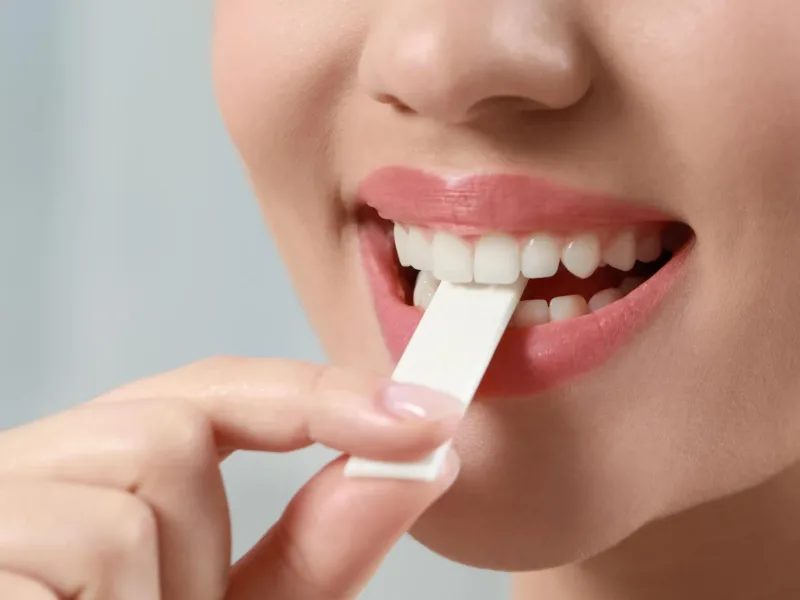
An Odd Headline That's Actually Backed by Real Research
Chewing gum and cancer prevention don't usually belong in the same sentence. But a study out of the University of Pennsylvania School of Dental Medicine, published in Scientific Reports, is making a legitimate case that they might.
The research, led by Henry Daniell, focused on head and neck squamous cell carcinoma, often shortened to HNSCC. That's a common cancer that starts in the tissue lining the mouth and throat. It tends to be aggressive, and when it's caught late, outcomes aren't great. Daniell has pointed out that many recently approved cancer drugs haven't meaningfully improved survival or quality of life for these patients, which is part of why a cheap, low-tech prevention idea is getting attention.
What the Gum Actually Targets
The gum itself isn't new. It's built on bean gum, made from lablab beans, which contains a naturally occurring antiviral protein called FRIL. Researchers had studied this compound before. What's new here is testing it specifically against three microbes tied to head and neck cancer risk: HPV (human papillomavirus), and two bacteria called Porphyromonas gingivalis and Fusobacterium nucleatum.
If those bacteria names mean nothing to you, that's fine, they're not household terms. What matters is that both are linked to worse outcomes in oral cancer patients, including lower survival rates even after surgery and standard follow-up treatment. HPV, meanwhile, is already well known as a driver of throat and mouth cancers, and rates of HPV-related oropharyngeal cancer have been climbing for years.
The Actual Results
Researchers treated saliva and oral rinse samples taken from HNSCC patients with extracts from the gum in a lab setting. HPV levels dropped by 93% in saliva samples and by 80% in oral rinse samples. That's a meaningful reduction, and worth paying attention to.
The team also engineered a version of the gum containing an antimicrobial peptide called protegrin. A single dose of that version brought levels of the two harmful bacteria down to almost zero, more than 99% reduction, according to the reporting. Just as important, the treatment left the mouth's beneficial bacteria largely intact. That's not a small detail. A lot of antimicrobial treatments wipe out good bacteria along with the bad, which creates its own problems.
Here's the Catch, and It's a Real One
Nobody chewed this gum as a treatment in this study. Let that sink in for a second, because a lot of headlines are going to gloss over it. Researchers took oral samples from patients and treated those samples with gum extracts in a laboratory setting. They did not give the gum to a living person and measure what happened in their mouth over time.
That distinction matters enormously. A lab result showing that an extract reduces HPV in a test tube of saliva doesn't tell you whether chewing the actual gum, in a real mouth, with saliva flow, swallowing, and normal oral bacteria dynamics, would produce the same effect. It also doesn't tell you whether reducing oral HPV in this way would actually lower someone's cancer risk down the line. Oropharyngeal cancers develop over years, sometimes decades, after a persistent HPV infection takes hold, so proving a prevention effect would require long-term human trials, not a lab sample study.
In clinical practice, this is often the part patients misunderstand about early-stage cancer research. A striking lab result gets summarized into a single percentage, and that percentage travels a lot faster than the caveats around it. This is genuinely promising groundwork. It is not, yet, a product you can use, and it hasn't been tested for safety with repeated real-world use either.
What Happens Next
Daniell and his team have said the results support moving this into clinical trials, either as a companion to existing cancer treatments or as a preventive approach. That's a statement about the next research step, not an announcement that this gum is available or approved.
The work was funded in part by the National Institutes of Health and the National Cancer Institute, which suggests it's being taken seriously within the research community. Whether it holds up in actual human trials is the real test still ahead.