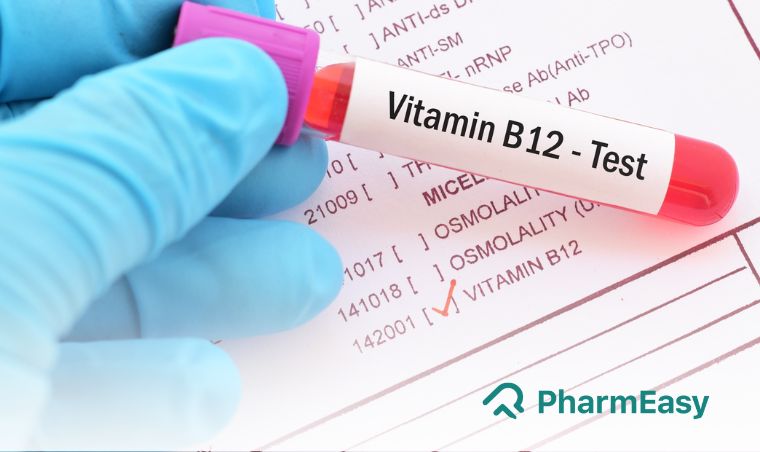
What is Vitamin B12?
Cobalamin, also known as Vitamin B12, is a crucial nutrient involved in many bodily processes. Its significance is immense, influencing everything from genetic material creation to the well-being of our nervous system. Unlike many other essential vitamins, B12 isn't made by plants or animals; rather, it's synthesized by microorganisms. Humans get it primarily from animal-based foods or by taking supplements.
This water-soluble nutrient is vital for creating red blood cells, maintaining nerve function, and making DNA. Without enough B12, our bodies struggle to carry out these fundamental tasks efficiently, sparking a chain reaction of health problems. Essentially, ensuring we consume enough is a pillar of good health, especially in a nation like India where eating habits can vary greatly.
Why is Vitamin B12 Important?
The importance of Vitamin B12 touches several critical bodily functions. It's absolutely necessary for producing red blood cells, which transport oxygen throughout the body. A lack of this nutrient can lead to megaloblastic anemia, a condition marked by unusually large, immature red blood cells. Additionally, B12 is central to in keeping nerve cells healthy. It assists in creating myelin, a protective coating around nerves that allows for efficient signal transmission.
Damage to this myelin sheath can result in nerve-related issues like tingling, numbness, and even thinking problems. The creation of DNA, the blueprint within all cells, also depends heavily on Vitamin B12. This makes it indispensable for cell growth and repair. Its part in energy processing is also worth noting; it aids in converting food into energy, helping to fight tiredness.
Most people overlook this completely.
Vitamin B12 Deficiency: Causes and Risk Factors
A shortage of Vitamin B12 is more common than one might think, affecting a substantial portion of people globally. In India, its prevalence is particularly high. Over 101 million Indians have diabetes (ICMR, 2023), a concern that can sometimes be linked to B12 issues, though the direct connection is intricate. More directly, insufficient dietary intake is a primary cause, especially for vegetarians and vegans, as B12 is predominantly found in animal products. Meena, a 45-year-old homemaker from Jaipur, experienced persistent tiredness and unexplained weakness. Her diet, abundant in lentils and vegetables but lacking meat or dairy, was a likely contributor.
Pernicious anemia, an autoimmune disorder where the body can't absorb B12 due to a lack of intrinsic factor, represents another significant reason. Surgeries on the digestive tract, such as gastric bypass, can also hinder absorption. Certain medications, like metformin (frequently given for diabetes) and proton pump inhibitors (used for stomach acid issues), can gradually interfere with B12 uptake. Conditions impacting the small intestine, such as Crohn's disease or celiac disease, impede the nutrient's absorption. Many older adults face a greater possibility because their stomach acid production tends to decrease, potentially leading to absorption difficulties. It's worth noting that some research suggests up to 40% of vegetarians and vegans might have low B12 readings.
Dietary Sources of Vitamin B12 in India
For individuals who consume animal products, numerous options are readily available. These include lean meats like poultry and fish, eggs, and dairy items such as milk, yogurt, and cheese. Organ meats, especially liver and kidney, are exceptionally abundant in B12, although they are less frequently eaten in some contemporary Indian homes. Fortified foods are also gaining popularity.
Many breakfast cereals, non-dairy milks (like soy or almond), and nutritional yeasts are now enhanced with Vitamin B12, offering a practical choice for vegetarians and vegans. Even during festive periods, when traditional meals might be heavy on carbohydrates and spices, including these fortified items can be beneficial. The challenge lies in ensuring consistent and sufficient consumption, particularly for those who follow strict vegetarian or vegan diets.
That alone changes everything.
Symptoms of Vitamin B12 Deficiency
The signs of Vitamin B12 deficiency can be subtle and emerge slowly, frequently making them easy to miss at first. They can range from mild to severe and impact various body systems. usual indicators include profound fatigue and weakness, often described as an overwhelming lack of vitality. Neurological manifestations are a key feature; these might appear as numbness or prickling sensations, typically in the hands and feet (pins and needles). Some people encounter difficulty walking, balance issues, and muscle frailty. Thinking-related problems like memory loss, confusion, and trouble focusing are also frequently observed. Emotional changes, including sadness and irritability, can arise.
In some instances, a sore, red tongue (glossitis) and mouth sores might be present. Another indicator is breathlessness and lightheadedness, particularly with physical activity. What action should you actually take? If you experience any of these signs, seeking medical guidance is crucial. Neglecting them could lead to permanent nerve damage. The WHO estimates that B12 shortage affects hundreds of millions worldwide, underscoring its global impact.
Normal Vitamin B12 Range and Testing
Assessing your Vitamin B12 status involves a straightforward blood test. The typical range for Vitamin B12 readings can differ slightly among laboratories, but generally, it falls between 200 and 900 picograms per milliliter (pg/mL) or 150 to 700 picomoles per liter (pmol/L). Readings below 200 pg/mL are usually considered insufficient, while those between 200 and 300 pg/mL might suggest a borderline shortage, requiring further examination. It's vital to realize that even within the 'normal' range, some individuals might experience signs of insufficient intake if their readings are at the lower end.
Consequently, a doctor will frequently consider your reported issues alongside the test outcomes. The test itself is uncomplicated, requiring a sample of blood drawn from a vein, usually in the arm. No special preparation is typically needed, although it's always best to confirm with your healthcare provider. The IDF (International Diabetes Federation) also emphasizes the importance of tracking nutrient levels in individuals with diabetes, which can periodically include B12.
It sounds simple. It rarely is.
How is Vitamin B12 Deficiency Treated?
Addressing a Vitamin B12 shortage depends on its root cause and how severe it is. For mild instances primarily stemming from insufficient diet, increasing B12-rich foods or taking oral supplements is frequently adequate. However, when absorption is the main problem, or in cases of pernicious anemia, injections are typically required. Vitamin B12 injections bypass the digestive tract, delivering the nutrient directly into the bloodstream or muscle, ensuring effective uptake. These injections are usually administered by a healthcare professional, initially at frequent intervals, and then maintained at a less frequent schedule based on individual requirements. Oral supplements are available in various forms, including pills, capsules, and under-the-tongue preparations.
The dosage will be determined by your doctor. For instance, a usual recommendation might be 1000-2500 mcg (micrograms) daily for oral supplementation. Certain studies published in The Lancet have investigated the effectiveness of different treatment approaches, suggesting that high-dose oral therapy can be as proven as injections for many patients, provided absorption isn't significantly compromised. But why does this occur? The choice between injections and oral supplements often hinges on the intensity of the shortage and the patient's capacity to absorb oral medication. Regular assessment through lab work is vital to ensure adequate readings are maintained and manifestations improve.
The Role of Folate (Vitamin B9)
Folate, also known as Vitamin B9, works in conjunction with Vitamin B12 in several metabolic pathways, particularly in DNA synthesis and the creation of red blood cells. A lack of one can sometimes obscure a lack of the other. For example, sufficient folate intake can correct the anemia linked to B12 shortage but will not address the underlying nerve damage. This is a critical point because undetected B12 deficiency, while appearing 'normal' in terms of red blood cell count due to folate, can lead to ongoing neurological impairment.
Therefore, when testing for B12 shortage, folate levels are frequently checked simultaneously. Sources of folate in the Indian diet include dark leafy greens (like spinach and fenugreek leaves, frequently eaten as 'saag'), pulses, and fortified grains. Ensuring enough intake of both B12 and folate is essential for optimal health.
Most people overlook this completely.
Preventing Vitamin B12 Deficiency
Strategies for prevention primarily center on ensuring sufficient intake through diet or supplements. For individuals consuming animal products, a balanced diet incorporating meat, fish, eggs, and dairy is generally enough. For vegetarians and vegans, careful planning is essential. Integrating fortified foods such as fortified cereals, non-dairy milks, and nutritional yeast into the daily diet can significantly boost B12 consumption.
, expectant mothers, older individuals, people with specific health conditions or on certain medications), is frequently advised. Consulting with a healthcare provider or a registered dietitian can assist in developing a personalized prevention plan based on individual eating patterns, lifestyle, and health status. Even simple habits, like ensuring your morning cereal is fortified, can make a difference over time. Remember, consistent intake is key.
Key Takeaways
- Vitamin B12 is vital for forming red blood cells, nerve function, and creating DNA.
- A shortage is typical, especially in India, due to dietary limitations (vegetarianism/veganism), absorption issues, and certain medications.
- Signs can include tiredness, nerve problems (numbness, tingling), and thinking difficulties.
- Typical B12 readings are between 200-900 pg/mL, but issues may arise at lower 'normal' levels.
- intervention involves B12 supplements or injections, with dietary adjustments and fortified foods playing a role in prevention.
Always seek advice from a qualified medical professional before making any health-related choices.