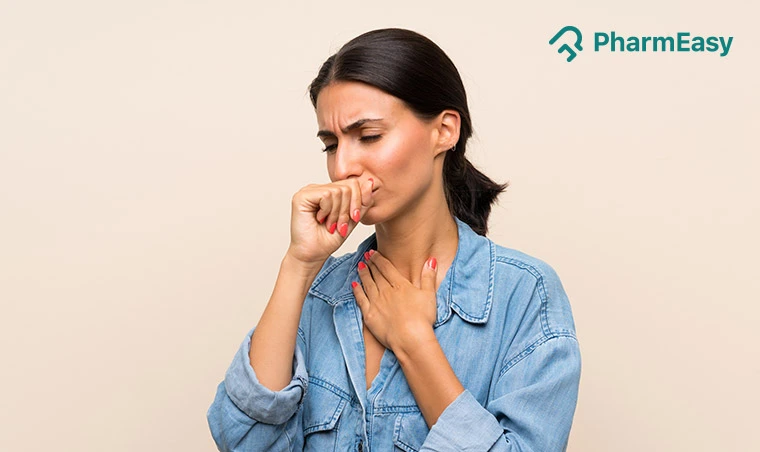
Walking Pneumonia: Understanding India's Silent Respiratory Threat
Meena, 45, a homemaker from Jaipur, noticed a persistent cough that just wouldn't go away. She felt unusually tired and had a low-grade fever that came and went. Initially, she dismissed it as a common cold, perhaps exacerbated by the lingering post-monsoon dampness.
However, the fatigue deepened, and a nagging ache settled in her chest. She found herself struggling to keep up with her daily chores, something that had never happened before. Does this sound familiar?
" Medically, it's a form of community-acquired pneumonia (CAP), but its milder symptoms allow individuals to continue their daily activities, hence the moniker. The reality is, while not as severe as classic pneumonia, walking pneumonia can still significantly impact one's health and well-being, especially in a country like India where respiratory ailments are widespread.
Over 101 million Indians have diabetes (ICMR, 2023), a condition that can increase susceptibility to infections, including pneumonia. Understanding this issue is crucial for timely diagnosis and effective management.
The numbers don't lie.
What Exactly Is Walking Pneumonia?
Walking pneumonia, or primary atypical pneumonia, is an infection of the lungs that doesn't present with the typical, severe manifestations of lobar pneumonia. Instead of sudden onset of high fever, shaking chills, and shortness of breath, patients often experience a gradual onset of indicators.
Think about it this way: it's like a slow-burning fire rather than an explosive one. The inflammation typically affects a smaller area of the lung, often a single lobe, or it can be more diffuse and patchy.
The causative agents are frequently different from those causing typical pneumonia. While bacterial infections like *Streptococcus pneumoniae* are prevalent in classic pneumonia, walking pneumonia is frequently caused by different bacteria, viruses, or even fungi. *Mycoplasma pneumoniae* is a very frequent culprit, particularly in younger adults and children.
Other bacterial causes include *Chlamydophila pneumoniae* and *Legionella pneumophila* (which causes Legionnaires' disease, a more severe form). Viral culprits such as Respiratory Syncytial Virus (RSV), influenza, and even the SARS-CoV-2 virus can lead to similar presentations.
Recovery is rarely linear.
frequent Causes of Walking Pneumonia in India
The prevalence of certain pathogens and environmental factors in India influences the typical causes of walking pneumonia. As mentioned, *Mycoplasma pneumoniae* is a significant cause. These bacteria are spread through respiratory droplets when an infected person coughs or sneezes.
Crowded living conditions, widespread in many Indian households and urban areas, facilitate its transmission. The humid, often polluted air during certain seasons can also play a role.
In many cases, viral infections contribute significantly. The influenza season, frequently coinciding with cooler months or the transition into monsoon, can see a rise in viral pneumonia cases.
Similarly, RSV is a usual cause of respiratory illness in infants and young children, sometimes presenting as walking pneumonia. Have you ever wondered why respiratory infections spike during specific weather changes?
Environmental factors cannot be overlooked. Air pollution, a persistent issue in major Indian cities, can weaken lung defenses, making individuals more susceptible to infections.
Dust and allergens, particularly during dry spells or construction activities, can also irritate the respiratory tract, potentially leading to inflammation and secondary infections. On top of that,, poor sanitation and lack of access to clean water in some regions can indirectly contribute to the spread of infectious diseases.
Recognizing the signs: A Subtle Onset
The hallmark of walking pneumonia is its frequently mild and insidious onset. manifestations can mimic a typical cold or bronchitis, leading to delayed medical attention. Key signs include:
- Persistent Cough: This is usually the most prominent symptom. It may be dry initially but can later produce mucus.
- Low-Grade Fever: Temperatures typically don't spike as high as in typical pneumonia, often ranging from 100.4°F to 102°F (38°C to 39°C).
- Headache: A dull or throbbing headache can accompany other manifestations.
- Fatigue and Malaise: Profound tiredness and a general feeling of being unwell are prevalent.
- Sore Throat: A scratchy or painful throat may be present.
- Muscle Aches (Myalgia): General body aches can occur.
- Chest Discomfort: Unlike the sharp, pleuritic chest pain sometimes seen in classic pneumonia, walking pneumonia might cause a more generalized ache or soreness.
- Mild Shortness of Breath: While not as severe as in typical pneumonia, some individuals might experience mild breathlessness, especially with exertion.
The subtle nature of these warning signs is precisely why it's called "walking" pneumonia. sufferers feel unwell but are frequently still able to function, albeit with reduced energy. This can lead to the infection spreading further or complications developing if left untreated.
The numbers don't lie.
Diagnosis: Piecing Together the Puzzle
Diagnosing walking pneumonia can be challenging due to its non-specific indicators. A doctor will begin with a thorough medical history, inquiring about the onset and nature of your warning signs, any recent illnesses, and your exposure risks.
A physical examination follows, where the physician listens to your lungs with a stethoscope (auscultation). While crackles or decreased breath sounds might be heard, they may be less pronounced than in typical pneumonia.
To confirm the diagnosis and identify the cause, several tests may be employed. A chest X-ray is crucial.
It might show patchy infiltrates or signs of inflammation, but these findings can sometimes be subtle or even normal in the early stages, especially with milder cases. In contrast to typical pneumonia which often shows consolidation in a specific lobe, walking pneumonia might reveal more diffuse or interstitial patterns.
Blood tests, such as a complete blood count (CBC), can reveal signs of infection or inflammation, though they are not specific to pneumonia. Specific laboratory tests might be ordered to identify the causative agent. For instance, sputum cultures can help identify bacteria, though *Mycoplasma* is often difficult to grow.
That alone changes everything.
Serological tests (blood tests that look for antibodies) or PCR (polymerase chain reaction) tests can detect specific pathogens like *Mycoplasma pneumoniae* or viral agents. The World Health Organization (WHO) recommends a stepwise approach to diagnosing pneumonia, especially in resource-limited settings.
Treatment Strategies: Tailored to the Cause
The intervention for walking pneumonia depends heavily on the underlying cause. Here's the thing — antibiotics are only successful against bacterial infections. If a virus is the culprit, antibiotics will not enable and can contribute to antibiotic resistance, a growing concern highlighted by the Indian Council of Medical Research (ICMR).
Bacterial Walking Pneumonia
For bacterial causes, such as *Mycoplasma pneumoniae* or *Chlamydophila pneumoniae*, a course of antibiotics is prescribed. Macrolides (like azithromycin), tetracyclines (like doxycycline), or fluoroquinolones are commonly used.
The choice of antibiotic depends on the specific bacteria suspected, local resistance patterns, and the patient's age and health status. It is vital to complete the entire course of antibiotics as prescribed, even if you start feeling better, to ensure the infection is fully eradicated.
This is where most people struggle.
Viral Walking Pneumonia
Viral pneumonia is typically managed with supportive care. Antiviral medications might be prescribed in specific cases, such as for influenza or severe RSV infections, but they are most reliable when started early.
Rest, adequate hydration, and fever reducers (like paracetamol) are cornerstones of recovery. Over-the-counter cough suppressants may offer symptomatic relief, but their use should be discussed with a healthcare provider, as coughing is the body's way of clearing mucus from the lungs.
Supportive Care
Regardless of the cause, rest is paramount. Allowing your body to heal is essential. Staying well-hydrated helps thin mucus, making it easier to cough up.
Humidifiers or steam inhalation can also ease congestion and soothe irritated airways. For individuals experiencing marked fatigue or discomfort, pain relievers can enable manage fever and aches.
Recovery times vary. Most individuals with walking pneumonia begin to feel significantly better within one to two weeks, although a lingering cough might persist for several weeks.
It's important to follow up with your doctor to ensure complete recovery and to address any persistent signs. This is especially true for individuals with underlying health conditions, such as those managed by the International Diabetes Federation (IDF) guidelines, who may be at higher risk for complications.
Prevention: Fortifying Your Defenses
Preventing walking pneumonia involves general good health practices and specific measures to reduce exposure to respiratory pathogens. Maintaining a robust immune system is key.
This includes eating a balanced diet rich in fruits and vegetables, getting adequate sleep, and managing stress effectively. Regular physical activity, like gentle movement—which ironically can be done even with walking pneumonia—boosts overall health.
The numbers don't lie.
Vaccination is another powerful preventive tool. The pneumococcal vaccine protects against *Streptococcus pneumoniae*, a widespread cause of typical pneumonia, but also reduces the overall burden of respiratory infections. The influenza vaccine is recommended annually for most individuals, significantly reducing the danger of flu and its potential complications, including pneumonia.
Practicing good respiratory hygiene is also critical. This involves washing hands frequently with soap and water, covering your mouth and nose when coughing or sneezing (preferably into your elbow or a tissue), and avoiding close contact with sick individuals.
In the context of India, where festivals often involve large gatherings and shared meals—perhaps during Diwali or Eid—being mindful of hygiene can benefit prevent the spread of infections. During the monsoon season, when respiratory illnesses tend to increase due to humidity and cooler temperatures, extra precautions might be necessary.
Avoiding exposure to pollutants and irritants, such as cigarette smoke and heavy air pollution, can also protect your lungs.
When to Seek Medical enable
While walking pneumonia frequently presents mildly, it's essential to know when to seek professional medical advice. If your warning signs worsen, if you develop high fever, severe shortness of breath, chest pain, or if you cough up blood-tinged sputum, seek immediate medical attention. Individuals with chronic health conditions like asthma, heart disease, diabetes, or compromised immune systems should consult a doctor promptly if they suspect pneumonia.
That's the part worth remembering.
Early diagnosis and approach are vital to prevent complications, which can include lung abscesses, respiratory failure, or sepsis. The Lancet has published numerous studies emphasizing the importance of early intervention in respiratory infections.
Key Takeaways
- Walking pneumonia, or atypical pneumonia, has milder, gradual signs compared to classic pneumonia, often allowing individuals to continue daily activities.
- prevalent causes include bacteria like *Mycoplasma pneumoniae* and viruses such as influenza and RSV, with transmission facilitated by close contact and crowded environments.
- signs typically include a persistent cough, low-grade fever, fatigue, headache, and mild chest discomfort.
- Diagnosis involves medical history, physical exam, and often a chest X-ray, which may indicate subtle or patchy infiltrates.
- approach depends on the cause: antibiotics for bacterial infections and supportive care for viral infections.
Always consult a qualified physician before making any medical decisions.