Ask anyone who has lived in central or north Kolkata for more than a few years, and they'll tell you the same streets flood every single year. That's not bad luck. The Kolkata Municipal Corporation's own drainage department has acknowledged that much of the city's sewer network is over a century old, built with brick, and losing capacity to years of silt buildup. Add erratic, short bursts of intense rain, and water simply has nowhere to go fast enough.
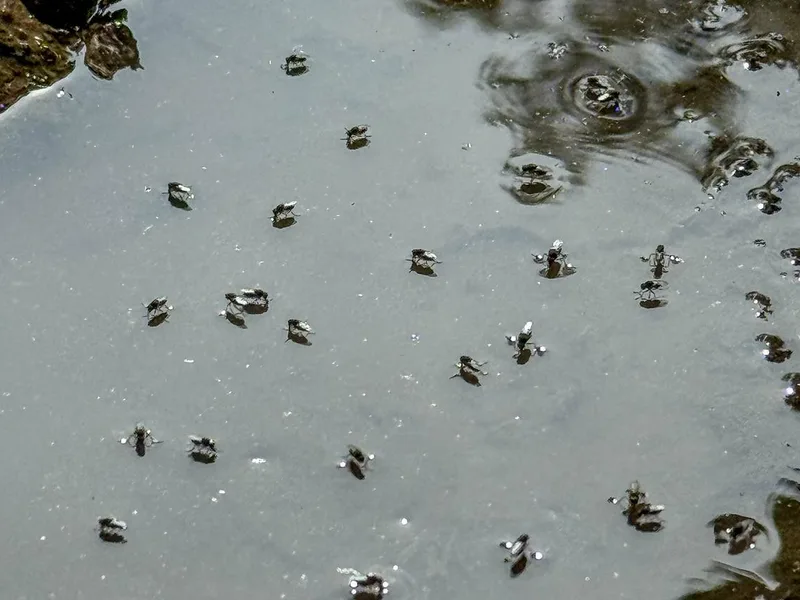
The civic angle gets most of the attention — flooded roads, stalled traffic, ruined shop stock. What gets talked about less is what happens to that water after the rain stops. It doesn't all drain away. Pockets of it sit in potholes, construction sites, rooftop tanks, and open drains for days, sometimes weeks. That stagnant water is where the real health risk begins.
What Actually Breeds in That Water
Aedes aegypti, the mosquito behind dengue and chikungunya, doesn't need much. A bottle cap of clean, still water is enough for it to lay eggs. Flowerpot trays, discarded tyres, coolers left uncovered during the rains, uncleaned rooftop tanks — these are the everyday culprits, not just the dramatic flooded streets you see on the news.
Research looking specifically at Kolkata and Howrah has found that dengue-prone zones line up closely with low-lying, waterlogged pockets within the built-up city, areas where poor drainage design or unplanned construction leaves water with nowhere to flow. Temperature plays a role too — Aedes mosquitoes breed fastest around 28 to 30°C, which happens to be close to Kolkata's typical monsoon temperature. It's an uncomfortable coincidence that the city's climate and its drainage problems point in the same direction.
Dengue, Chikungunya And What Else Is Circulating
Fever-tracking data for Kolkata through late July this year showed the city sitting in the "moderate" risk band overall, with chikungunya nudging slightly ahead of dengue as the bigger concern that particular week. These figures shift week to week depending on rainfall and reported cases, so treat any single number as a snapshot, not a forecast. What matters more is the pattern: risk climbs through the monsoon and into early autumn, and it doesn't drop off cleanly the moment the rain stops.
Who's most at risk:
Children and elderly residents, whose immune response tends to be less predictable
Pregnant women, where dengue carries added risk and needs closer monitoring
Anyone with a second dengue infection, which tends to be more severe than the first
People in ground-floor or basement homes near chronic waterlogging pockets
If you're pregnant or managing a health condition through this season, it's worth having a gynecologist or general physician near you already identified rather than searching for one after symptoms start.
What the City Is Doing (And What It Isn't)
To its credit, KMC's health department moved away from routine fogging years ago, after the city's own vector control officers argued publicly that fogging kills adult mosquitoes but does nothing to the eggs and larvae sitting in water. Source reduction — physically emptying and cleaning containers — is what actually breaks the breeding cycle. That's a sound public-health call, even if it means fewer visible "we're doing something" trucks on your street.
More recently, KMC has begun building rainwater reservoirs at roughly fifty identified "water pocket" locations across the city, meant to capture excess rain and channel it underground rather than let it sit on the surface. It's a reasonable engineering fix, but it's not going to finish before this monsoon does, and it won't touch the private stagnant water sitting inside individual homes and building compounds. That part is on residents.
What You Can Actually Control at Home
In my conversations with hospital OPD staff during past dengue seasons, the same story comes up again and again: families who "did everything right" outdoors still got a case at home, because nobody checked the water tray under the cooler or the terrace flowerpot for three weeks straight. It's a small oversight, but it's the one that matters most.
A few things genuinely reduce risk, based on what public health guidance consistently recommends:
Empty and scrub any container holding still water at least once a week
Cover stored water tanks properly, not just loosely
Clear waterlogged terraces, balconies, and construction debris on your own property
Use repellents and nets, especially around dawn and dusk when Aedes is most active
None of this guarantees you won't get bitten. It does meaningfully lower the odds, and that's really all prevention can promise here.
When to Stop Waiting and See a Doctor
A monsoon fever that clears in two or three days with rest is usually just that. But high fever with severe joint pain, a rash, persistent vomiting, or unusual fatigue lasting beyond three to four days deserves a proper check, including a blood test for platelet count. Don't try to self-diagnose dengue versus chikungunya versus a plain viral fever based on symptoms alone; they overlap more than people expect. Book a diagnostics near you visit early rather than waiting for warning signs like bleeding gums or breathing difficulty, which need emergency care immediately.
Children with chikungunya-type joint pain sometimes need an orthopedist consult once the fever itself has passed, since joint stiffness can linger for weeks. Persistent nausea or vomiting is worth a gastroenterologist opinion if it doesn't settle. And if someone at home is too unwell to travel, a home visit doctor or a nurse for home monitoring can track fever and hydration without the added stress of a hospital trip for something that doesn't yet need one.