Are GLP-1 Medications Addictive?
GLP-1 medications are not classified as controlled substances and do not produce the euphoria associated with drugs such as opioids. They are also not known to cause classic drug tolerance or compulsive drug-seeking behavior.
So, are GLP-1 medications addictive in the conventional sense? No.
However, there is another issue worth discussing: the body may rely on the medication to help control appetite, food intake, and body weight.
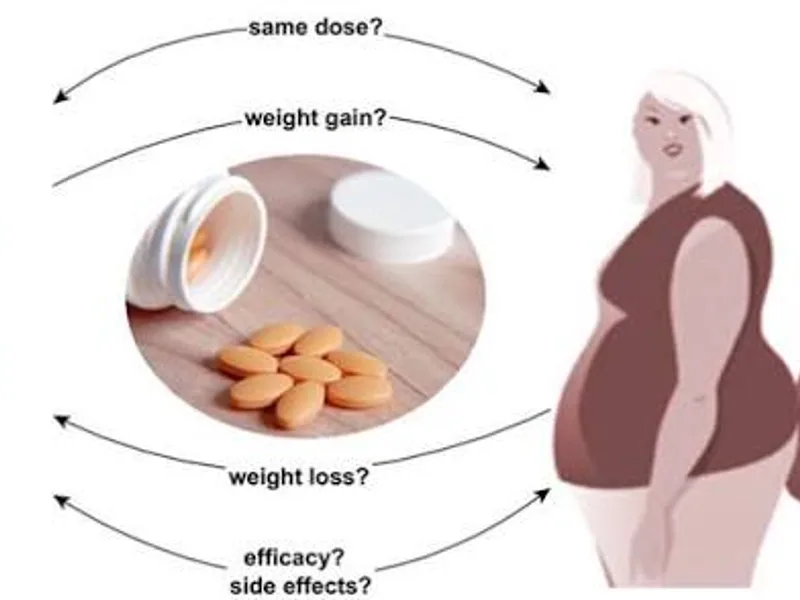
These medications work partly by influencing hormonal signals involved in hunger and fullness. When treatment stops, those effects gradually disappear. For some people, appetite may return and maintaining the lost weight can become difficult.
That is better described as treatment dependence or physiological reliance, rather than addiction.
Why Can Weight Return After Stopping?
One of the most important findings comes from follow-up research involving participants from the STEP 1 semaglutide trial.
After participants stopped taking semaglutide, they regained a substantial amount of the weight they had previously lost. About one year after stopping treatment, participants had regained roughly two-thirds of their previous weight loss.
This does not mean that patients have failed or lacked willpower.
Obesity is a chronic condition influenced by biology, appetite regulation, genetics, environment, sleep, activity, and other factors. When a medication that suppresses appetite is removed, the biological signals that promote eating can become stronger again.
For some people, that makes maintaining weight loss considerably harder without ongoing treatment.
Could GLP-1 Treatment Be Long Term?
For certain patients, the answer may be yes.
This is similar to how other chronic conditions are managed. A person with high blood pressure may need medication for years, while someone with an underactive thyroid may require long-term hormone replacement.
Likewise, some people with obesity may need continued treatment to maintain the health benefits achieved with a GLP-1 medication.
That is why the long-term plan should be discussed before treatment begins, rather than only when someone decides to stop.
Patients may want to ask:
How long is treatment expected to continue?
What happens if the medication is stopped?
What strategies will help maintain weight loss?
Could the dose eventually be reduced?
What alternatives are available if the medication becomes unaffordable or unavailable?
Is There a Psychological Dependence?
There can also be an emotional or psychological component.
Some people taking GLP-1 medications describe a major reduction in persistent thoughts about food, sometimes referred to as "food noise." If that change is significant, the possibility of those thoughts returning after stopping treatment can cause anxiety.
Others may worry about regaining weight or losing the progress they have made.
This does not necessarily mean they are addicted to the medication. Instead, it may reflect understandable concern about losing a treatment effect that has made eating and weight management easier.
The psychological experience can vary considerably from person to person, and more research is needed to understand it fully.
An Interesting Question: Could GLP-1 Drugs Affect Addiction?
Research into GLP-1 medications has raised another fascinating possibility.
Scientists are studying whether GLP-1 receptor agonists might influence reward pathways in the brain that are also involved in addictive behaviors. Early research has explored possible effects on alcohol consumption, compulsive eating, smoking, and other reward-driven behaviors.
However, this research is still developing.
These medications should not currently be considered established treatments for addiction unless specifically approved and prescribed for that purpose. Early findings are interesting, but larger and longer clinical studies are needed before firm conclusions can be drawn.
Who Should Have a Careful Discussion Before Starting?
GLP-1 medications can provide important health benefits for appropriately selected patients, particularly people living with obesity or overweight alongside conditions such as type 2 diabetes, cardiovascular disease, or sleep apnea.
However, treatment should be individualized.
People with a history of eating disorders or problematic eating patterns should discuss their situation carefully with a qualified healthcare professional. Appetite suppression may affect people differently, and treatment should not unintentionally reinforce restrictive or unhealthy eating behaviors.
People seeking these medications solely for cosmetic weight loss also need to consider whether the potential benefits outweigh the risks and whether medication is medically appropriate for them.
Most importantly, patients should discuss the exit strategy before starting treatment.
What Happens If You Want to Stop?
If you are taking a GLP-1 medication and want to stop, talk with your prescribing clinician first.
Stopping these medicines does not generally cause the type of dangerous physical withdrawal syndrome associated with opioids or benzodiazepines. However, stopping treatment can allow appetite and weight-regulation mechanisms to return, increasing the risk of weight regain.
A doctor may recommend an individualized approach based on the medication, dose, treatment duration, medical history, and weight-management goals.
Depending on the situation, the plan may involve:
Continued treatment at an appropriate dose
A medically supervised reduction or discontinuation plan
Nutrition and dietary support
Resistance training and regular physical activity
Behavioral support
Monitoring weight, appetite, and metabolic health
Considering alternative long-term treatment options
There is no single stopping strategy that is appropriate for everyone, and patients should not change their dose or discontinue treatment simply because they have reached a target weight.
The Bigger Conversation About GLP-1 Medications
The important question is not simply whether GLP-1 medications are "addictive."
They are not addictive in the conventional pharmacological sense. The more useful question is whether the benefits of treatment can be maintained after the medication is withdrawn.
For many patients, the evidence suggests that stopping treatment can lead to significant weight regain. That does not represent a lack of discipline. It reflects the chronic and biologically complex nature of obesity.
Before starting a GLP-1 medication, patients should understand both sides of the decision: what the medication may help achieve and what may happen when treatment ends.
A long-term treatment plan, regular medical follow-up, and realistic expectations can help patients make a more informed decision about whether GLP-1 therapy is right for them.
Medical disclaimer: This article is for general educational purposes and does not replace individualized medical advice. Do not start, stop, or change a prescription medication without discussing it with a qualified healthcare professional.