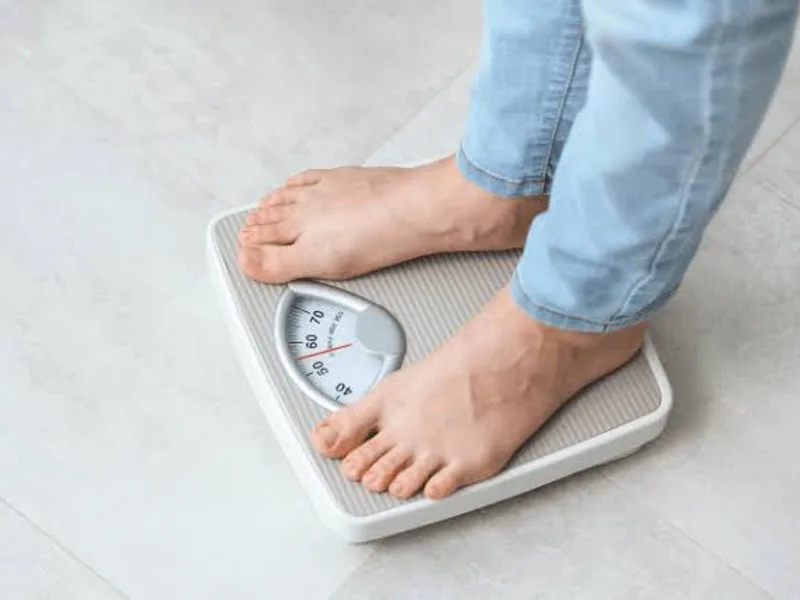
You did everything right for six weeks. Then, nothing. The scale hasn't moved in eleven days and you're starting to wonder if it's broken.
It isn't. What you're experiencing has a name: a weight loss plateau. It happens to almost everyone who loses weight, and it's rarely a sign that something is wrong with your willpower.
What a Plateau Actually Is
A plateau is simply a stretch of time, usually two to four weeks, where your weight stays flat despite you sticking to the same habits that worked before. It's not failure. It's your body adjusting to a smaller version of itself.
In clinical practice, this is often missed because patients assume a stalled scale means they've slipped up somewhere. Most haven't. The body is just doing what it's built to do.
Your Metabolism Slows Down as You Lose Weight
This is the biggest reason, and the least talked about. A smaller body needs fewer calories to run. Muscle burns energy even at rest, and when you lose weight, you typically lose some muscle along with fat, unless you're strength training deliberately.
So the calorie deficit that got you from week one to week six may no longer be a deficit at week ten. Your body has adapted. This is sometimes called metabolic adaptation, and it's a known, well-documented response, not a myth.
Calorie Creep Is Sneaky
Portions grow a little without anyone noticing. A splash more olive oil here, a slightly bigger handful of nuts there. None of it feels like cheating, and that's exactly the problem.
Weekend meals, social eating, and "healthy" snacks are the usual culprits. It's worth an honest week of tracking, just to see where the numbers actually land versus where you think they land.
Underlying Health Conditions Can Play a Role
Sometimes a plateau isn't about food or exercise at all. Conditions like an underactive thyroid (hypothyroidism), PCOS, or insulin resistance can slow weight loss even when everything else is on track. We've covered this in more depth in our guide to weight loss plateaus and the ten common reasons behind them.
If you suspect a hormonal cause, it's worth getting bloodwork done through a diagnostic centre near you and discussing results with an endocrinologist. Women dealing with irregular cycles alongside stalled weight loss may also want to read our piece on PCOS and hypothyroidism together, since the two conditions often overlap.
Truncal or abdominal weight gain that won't budge deserves its own look too. Our explainer on understanding truncal obesity breaks down why fat around the middle behaves differently and what it might signal.
Sleep and Stress Matter More Than People Think
Poor sleep throws off two hormones that control hunger: ghrelin, which raises appetite, and leptin, which signals fullness. Skimp on sleep and both work against you.
Chronic stress adds cortisol into the mix, a hormone linked to fat storage around the abdomen and to stress-driven eating. Is it fair that stress alone can stall your progress? Not really. But it's real, and it's measurable.
If sleep issues are a factor, a pulmonologist can help rule out problems like sleep apnea, which is more common in people carrying extra weight than most realise.
Water Retention Hides Real Progress
Muscle repair after exercise, higher salt intake, or the menstrual cycle can all cause the body to hold extra water for a few days. The scale reads "stuck" even though fat loss may still be happening underneath.
This is one reason dietitians often ask clients to track waist measurements or how clothes fit, not just scale weight. A registered dietitian can help you separate real plateaus from water-weight noise.
Medications Can Interfere Too
Certain antidepressants, steroids, and blood pressure medications are known to affect weight. If you started a new prescription around the same time your progress stalled, that timing is worth mentioning to your general physician rather than dismissing as coincidence.
When to See a Doctor
A plateau lasting a few weeks is usually normal. One stretching past a month or two, especially alongside fatigue, hair thinning, or mood changes, is worth checking out.
Start with a general physician for an initial review, and get basic labs done at a nearby hospital or diagnostic clinic. If thyroid or PCOS is suspected, a gynecologist or endocrinologist can order more specific tests. Those managing existing conditions like diabetes may benefit from reviewing our note on normal fasting glucose levels as a baseline.
If mobility or joint pain is limiting your activity, a physiotherapist can help you build strength safely, which in turn helps push past metabolic slowdown. For anyone managing this at home, a home visit doctor or nurse service can make follow-up care easier, particularly for older adults, a group we've written about separately in our piece on Medicare-style coverage for weight loss programs.
Medication reviews and supplement checks, including anything for diabetes care, are best done with a pharmacist or your prescribing doctor rather than adjusted on your own.