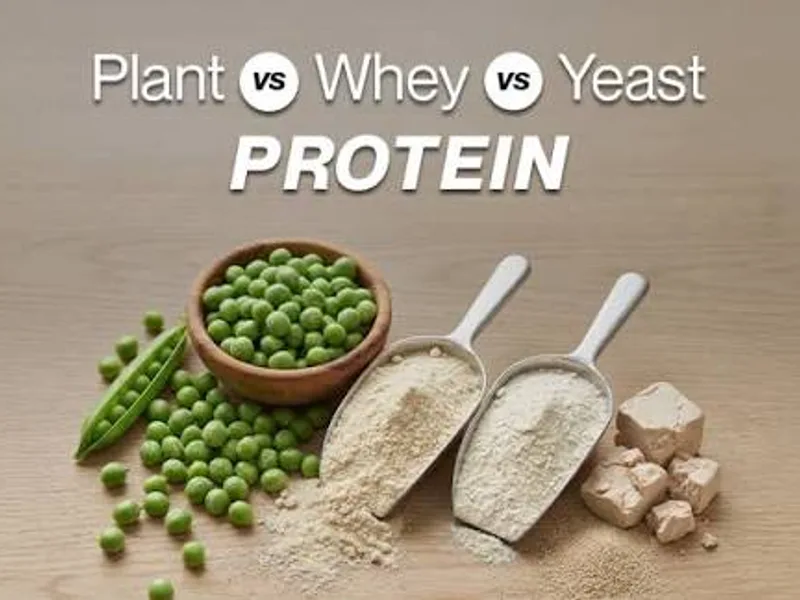
Walk into any supplement aisle in Kolkata today and you'll see two camps fighting for shelf space. Whey protein, made from milk, has decades of research and gym-culture loyalty behind it. Plant protein — pea, soy, rice, hemp blends — has spent the last few years catching up fast, helped along by lactose-intolerant customers and a genuine shift toward plant-based eating.
So which one is actually better? The honest answer is neither, universally. It depends on your digestion, your goals, and a few details most marketing copy conveniently skips.
What Makes Whey Different
Whey is a "complete" protein. That means it contains all nine essential amino acids your body can't make on its own, in a ratio that's close to ideal for muscle repair. It also digests fast — typically absorbed within an hour or two — which is why it's the go-to choice right after a workout.
The catch is lactose. Whey concentrate still has some milk sugar in it, and for people with lactose intolerance, that can mean bloating or discomfort. Whey isolate strips most of that out, but it costs more. If you're weighing supplement brands on this point, a detailed whey protein isolate review is worth reading before you buy, and it's also worth comparing against a pure isolate option if lactose sensitivity is a concern for you.
What Makes Plant Protein Different
Here's the part that surprises people: most single-source plant proteins are not complete on their own. Rice protein, for instance, is low in lysine. Pea protein is a bit low in methionine. In clinical practice, this is often missed because patients assume "plant protein" is one uniform product — it isn't, and the amino acid gaps genuinely matter if you're relying on it as your main protein source.
The fix is simpler than it sounds: combine sources, or buy a blend that already does it (pea plus rice is a common, effective pairing). Do that, and the completeness gap mostly closes.
Plant protein also digests a little slower than whey isolate, which some people actually prefer — less of a sharp insulin spike, more sustained release. And it sidesteps the dairy question entirely, which matters if you're vegan, lactose intolerant, or just trying to eat less dairy generally. If dairy-free eating is new territory for you, this guide to vegan yogurt and this rundown of dairy-free cooking swaps are useful starting points beyond just the protein powder aisle.
Does It Actually Matter for Muscle Building?
For healthy adults training regularly, research generally shows whey and well-combined plant protein build muscle at comparable rates, as long as total daily protein intake is adequate. The protein source matters less than most gym-floor conversations suggest. What matters more is hitting your daily target consistently, something a primer on glycogen and recovery explains well alongside the protein piece — muscle recovery isn't just about protein in isolation.
Is that a slightly boring answer after all the brand marketing? Probably. But it's the honest one.
Who Should Actually Be Careful
A few groups need more than a gym-forum opinion here.
People with kidney disease need to watch total protein intake carefully, regardless of source — this isn't a whey-versus-plant question, it's a total-load question, and it needs a doctor's input. If kidney health is a concern for you or a family member, this is worth raising directly with a nephrologist rather than guessing from a supplement label.
People managing diabetes should also be thoughtful about flavoured protein powders, many of which lean on sweeteners worth understanding — this piece on sucralose and blood sugar and this explainer on visceral fat and metabolic health are both relevant if that's part of your picture. An endocrinologist is the right person to loop in if protein intake intersects with a hormonal or blood sugar condition.
People with digestive sensitivity — bloating, discomfort, irregular digestion with either type of protein — should get it checked rather than just switching brands repeatedly. A gastroenterologist or general physician can help rule out an underlying issue.
If You'd Rather Skip Powder Altogether
Protein powder is convenient, not mandatory. Whole foods get you there too, and often more affordably. Eggs remain one of the most cost-effective complete protein sources around — this breakdown of egg whites as a lean protein source is a good place to start if you'd rather eat your way to your protein target than mix it into water.
A Practical Way to Decide
Don't pick a side based on a supplement ad. Pick based on your own situation:
Lactose intolerant or avoiding dairy → plant blend (pea + rice), not a single-source powder
Training hard and want the fastest post-workout absorption → whey isolate
Managing a kidney or metabolic condition → talk to your doctor before either
Budget-conscious and not training intensely → whole foods first, powder second
If your goals are more specific than "general fitness" — weight loss, a medical condition, post-surgery recovery — a personalised plan from a dietician or nutritionist genuinely beats generic advice, including this article's. If you're working through a structured weight-management plan, it can also help to see how supervised programmes combine diet and medical oversight, and — separately — anyone considering a weight-loss medication alongside diet changes should read up on options like Orlistat with a doctor, not on a forum.