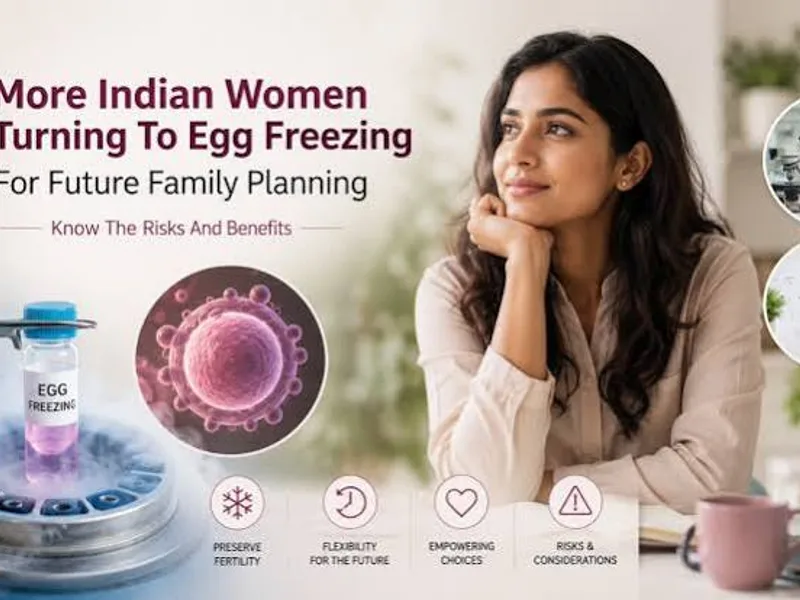
What Fertility Preservation Actually Means
Fertility preservation is the general term for freezing eggs, sperm, or embryos so they can be used later. The medical term for the freezing process is cryopreservation, which simply means storing biological material at very low temperatures to pause its natural decline.
It's not one procedure. Egg freezing involves hormone injections to stimulate the ovaries, followed by a short retrieval procedure. Sperm freezing is far simpler and usually just needs a sample collected at a clinic. Embryo freezing requires fertilizing eggs first, which means it's typically done by couples rather than single individuals.
None of these guarantee a future pregnancy. That point gets glossed over constantly, and it shouldn't be.
Why the Numbers Are Climbing
A few forces are pushing this trend at the same time, and they don't all come from the same place.
Cancer treatment is a major driver. Chemotherapy and radiation can damage fertility, sometimes permanently. Oncologists increasingly refer patients to a before treatment starts, so preservation happens on a tight clock, often within days of a diagnosis.
Career and life-stage timing matters too. More women are marrying and starting families later, and egg freezing is being framed as a way to buy time without giving up options. Whether that framing is realistic depends heavily on the individual case, which is exactly why a conversation with a doctor before freezing matters more than what a clinic brochure promises.
Awareness has genuinely improved. People talk about this more openly than they did a decade ago. A quick search or a visit to a gynecologist near you now surfaces real information instead of vague rumors.
Male fertility preservation is quietly growing too. Sperm freezing before vasectomy, before certain medical treatments, or simply as a precaution is becoming more common, though it gets far less attention than egg freezing does.
Who Actually Benefits From This
Not everyone needs to preserve fertility, and no responsible clinic should suggest otherwise. The clearest cases are people facing cancer treatment, gender-affirming care that affects fertility, or a family history of early menopause.
Beyond that, it becomes a personal decision shaped by age, health, and finances. Egg freezing in your late 20s or early 30s tends to produce better outcomes than freezing in your late 30s, because egg quality declines with age regardless of when the eggs are frozen. That's basic biology, not a sales pitch.
In clinical practice, this is often missed because patients assume frozen eggs "stop the clock" completely. What actually happens is that the eggs stay at the age they were frozen, but the odds of a successful pregnancy later still depend on how the embryo develops and how the uterus responds, which changes with age too. It's a partial pause, not a full one.
What the Process Involves, Without the Jargon
For egg freezing, expect two to three weeks of hormone injections to encourage the ovaries to produce multiple eggs at once, monitored through regular ultrasounds and blood tests. The eggs are then retrieved under light sedation in a short outpatient procedure. Recovery is usually a day or two.
For sperm freezing, the process is far less involved and can often be completed in a single clinic visit. For couples going the embryo route, the same ovarian stimulation applies, followed by fertilization in a lab before freezing.
Every clinic's protocol varies slightly, and that variation matters. This is general education, not a substitute for a consultation. Anyone considering preservation should talk through their specific situation with a gynecologist or fertility specialist, because factors like ovarian reserve and hormone levels genuinely change the plan.
Cost and Realistic Expectations
Fertility preservation isn't cheap, and pricing varies widely by city and clinic. Beyond the procedure itself, there's usually an ongoing storage fee, which people sometimes forget to budget for. It's worth asking a clinic directly for a full cost breakdown, including storage, medication, and eventual thaw-and-use fees, rather than relying on an advertised headline number.
Success rates also depend heavily on the age at freezing and the clinic's lab quality. Ask about a clinic's own thaw and pregnancy success rates specifically, not just national averages, since lab-to-lab variation is real.