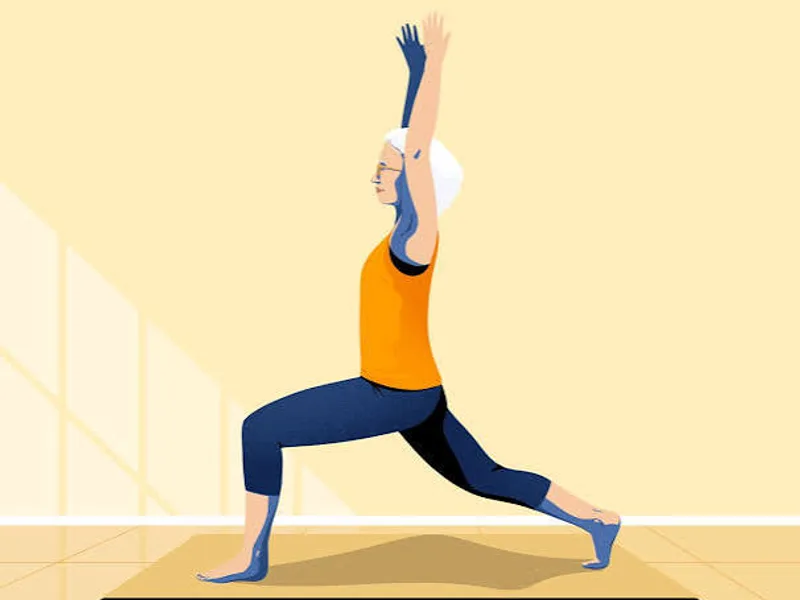
Yoga for Depression: What the Research Really Shows
Yoga can meaningfully reduce depressive symptoms, according to multiple randomized controlled trials, though researchers still stop short of calling it a standalone treatment. The evidence is strongest when yoga is used alongside standard care, not in place of it.
That's a more grounded claim than the wellness-industry version of "yoga cures depression." But it's still a real one, backed by a growing stack of clinical research spanning two decades.
What the Studies Actually Found
A 2024 systematic review and meta-analysis of randomized controlled trials found yoga was linked to significantly higher remission rates in people with depressive disorders compared to both passive and active control groups. The effect on depression severity was statistically significant but small, and the overall quality of evidence ranged from very low to moderate.
[REVIEWER: add clinical insight here — e.g., how you see yoga fit into a treatment plan alongside therapy or medication in practice]
That "small but real" pattern shows up across the research. An earlier meta-analysis of 12 randomized trials found yoga outperformed usual care, relaxation exercises, and even aerobic exercise at reducing depressive symptoms. One of the first systematic reviews on the topic, published in the Journal of Affective Disorders back in 2005, reached a more cautious conclusion: early trials pointed to benefit, but inconsistent study design made it hard to say how strong that benefit really was.
Newer research has narrowed in on specific formats. A 2023 randomized controlled trial from Harvard-affiliated researchers at Massachusetts General Hospital found that heated yoga sessions reduced depressive symptoms in adults with moderate-to-severe depression, with no serious adverse effects reported. Researchers are still working out whether the heat itself adds a benefit beyond the yoga practice alone.
Why Yoga Might Help
Researchers have a few working theories, though none are fully confirmed. Yoga appears to increase activity in the parasympathetic nervous system, the body's "rest and digest" mode that counters stress responses. Some studies have also linked yoga practice to higher GABA levels in the brain, a neurotransmitter involved in mood regulation.
Yoga may also ease overactivation of the body's stress-hormone system, though evidence on this is inconsistent. There's early evidence it can lower inflammation, a process increasingly linked to depression. None of these mechanisms are proven causes — they're plausible explanations researchers are still testing.
Which Styles Have the Most Evidence
Most depression research has focused on hatha yoga, a slower-paced style that includes physical postures, breathing exercises, and often meditation. Some trials specifically used Iyengar yoga, a form of hatha yoga built around back bends, inversions, and standing postures thought to have a particularly strong effect on mood.
Bikram yoga, practiced in a heated room, uses similar postures and was the basis for the 2023 Harvard-affiliated heated-yoga trial. Gentler restorative or chair-based yoga hasn't been studied as extensively for depression specifically, though it's often recommended for people with limited mobility or more severe symptoms who may not be ready for a vigorous practice.
Where the Evidence Is Weaker
It's worth being honest about the limits here. Most trials are small, use different yoga styles and dosages, and rarely follow participants long-term. Few studies blind their outcome assessors, which can inflate reported benefits. Researchers consistently call for larger, more rigorously designed trials before yoga can be called a proven standalone treatment for depression.
Yoga also isn't universally risk-free. One survey of people with bipolar disorder who practiced yoga found that intense breathing exercises or extended meditation were sometimes linked to symptom flare-ups, along with a small risk of physical injury. Anyone with a bipolar diagnosis or another complex mental health condition should talk to a doctor before starting a new yoga practice.
How to Think About Adding Yoga to Treatment
Yoga is best framed as a complement to treatment, not a replacement for therapy or medication. The research base is real but still developing, and severity matters: mild-to-moderate symptoms may respond better to yoga alone than severe depression, which typically needs more intensive care.
Starting with a beginner-friendly hatha class, ideally with an instructor aware of the participant's mental health history, is a reasonable low-risk entry point. Two to three sessions a week reflects the frequency used in most of the clinical trials, though even one weekly session has shown some benefit in research.
The Takeaway
The research on yoga for depression is more solid than wellness marketing suggests, but more modest too. Multiple trials show real, measurable improvement in depressive symptoms, particularly with consistent practice over several weeks. It works best as one part of a broader plan that includes professional mental health care, not a replacement for it. Anyone considering yoga for depression should still loop in a doctor or therapist, especially if symptoms are moderate to severe.
FAQ
Can yoga replace therapy or medication for depression?
No. Research shows yoga can meaningfully reduce depressive symptoms, but studies test it as a complement to standard care, not a replacement. Anyone with depression should still work with a doctor or therapist on a full treatment plan.
What type of yoga is best for depression?
Most research has focused on hatha yoga, including Iyengar and heated (Bikram-style) variations. Gentler restorative yoga is often recommended for people with more severe symptoms or limited mobility, though it's less studied specifically for depression.
How often should you do yoga for depression benefits?
Most clinical trials used two to three sessions per week over several weeks to measure benefit. Some research has found improvement with even one weekly session, though consistency over time appears to matter most.
Is yoga safe for everyone with depression?
Yoga is generally low-risk, but people with bipolar disorder or severe mental illness should consult a doctor first. Intense breathing exercises or long meditation sessions have occasionally been linked to symptom flare-ups in vulnerable individuals.
How quickly does yoga help with depressive symptoms?
Trials showing benefit typically ran five weeks or longer, with symptom improvement measured after consistent practice rather than after a single session. Yoga is not a quick fix and works best as a sustained habit.