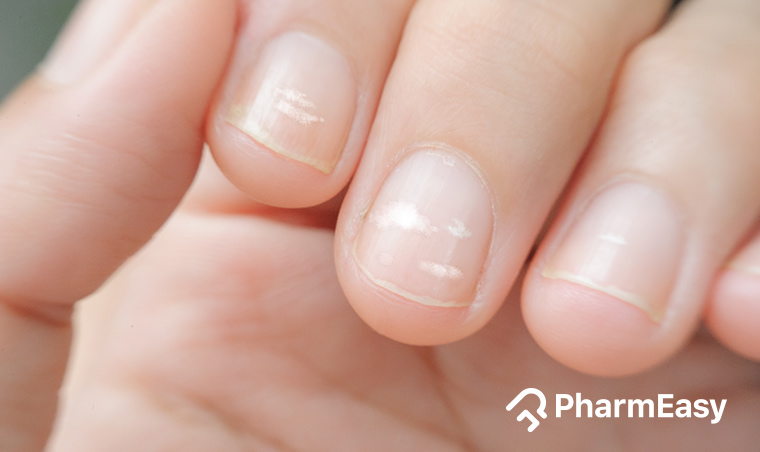
Signs You Might Have Low Zinc
Meena, 45, a homemaker from Jaipur, noticed her hair thinning alarmingly over the last few months. She also found herself catching colds much more frequently than usual, and a persistent rash on her legs refused to heal. Initially dismissing these as signs of aging or stress, she eventually consulted her doctor, who suspected a potential zinc shortage. Meena’s story is not uncommon.
Millions across India grapple with symptoms that could be linked to insufficient zinc consumption, often without realizing it. Zinc, a vital trace mineral, makes a real difference in numerous bodily processes, from immune support to wound healing and cell growth. When your body doesn't have enough of it, the consequences can manifest in various, sometimes subtle, ways.
Worth knowing: Over 101 million Indians have diabetes (ICMR, 2023), a condition that can be exacerbated by poor nutrient status, including zinc. While not directly causing diabetes, a lack of zinc can impact insulin sensitivity and inflammatory responses, making its adequate consumption even more critical for overall metabolic health.
Why Is Zinc So Important?
Zinc is an essential mineral that your body needs in small amounts to operate correctly. It’s involved in more than 300 enzyme systems that regulate metabolism, immune activity, and many other processes. Think about it this way: zinc acts like a tiny, indispensable supervisor for countless cellular activities.
It helps your immune system fight off invading bacteria and viruses. It’s also crucial for wound healing, cell division, and the normal growth of children and adolescents. The body doesn't store zinc, so a regular supply from your diet is necessary to maintain optimal amounts.
Here's where it gets interesting.
Common Signs of Low Zinc
Recognizing a zinc shortage can sometimes be challenging because the warning signs often overlap with other health conditions. However, persistent or a cluster of these signs might indicate you need to check your zinc levels.
Indian diets, particularly those that are heavily plant-based or restricted in animal products, can sometimes be lower in easily usable zinc. The reality is, even with a seemingly balanced diet, assimilation difficulties can occur.
1. Impaired Immune Activity
One of the most prominent signs of insufficient zinc is a weakened immune system. If you find yourself getting sick more often than usual, or if infections seem to linger longer, it could be a red flag. Zinc is critical for the development and operation of immune cells.
Without adequate zinc, your body’s defense mechanisms are compromised. Studies, including those referenced by the World Health Organization (WHO), highlight the link between zinc status and susceptibility to infections, particularly in children and the elderly.
Recovery is rarely linear.
2. Slow Wound Healing
Have you noticed that cuts, scrapes, or sores are taking an unusually long time to heal? This can be a direct consequence of low zinc amounts. Zinc plays a pivotal role in collagen synthesis, cell proliferation, and inflammatory response – all essential components of the healing process.
In severe shortage, even minor injuries might not mend properly. This was one of Meena’s concerns; a small cut on her finger took weeks to close.
3. Skin Problems, Acne, and Rashes
Skin health is significantly influenced by zinc. Shortage can lead to various dermatological issues. These include acne, eczema, dermatitis, and persistent rashes.
Zinc helps regulate oil gland function and has anti-inflammatory properties, making it a key nutrient for clear and healthy skin. Many dermatologists recommend zinc supplements for patients struggling with stubborn skin conditions. The prevalence of skin issues among young adults in India, sometimes exacerbated by dietary factors, makes zinc status a relevant consideration.
4. Hair Loss
Experiencing significant hair thinning or loss? A zinc shortage is a well-documented cause. Hair follicles require adequate zinc for cell division and growth.
When zinc amounts are low, this process is disrupted, leading to weakened hair shafts and increased shedding. This symptom, as seen with Meena, can be quite distressing and is often one of the first things people notice. The Indian Council of Medical Research (ICMR) guidelines acknowledge the role of micronutrients like zinc in maintaining hair health.
5. Changes in Appetite and Taste/Smell Perception
Are your favourite foods suddenly tasting bland, or has your appetite diminished significantly? Zinc is essential for the proper operation of taste and smell receptors. A lack of zinc can lead to dysgeusia (altered taste) or ageusia (loss of taste), and hyposmia (reduced smell).
Most people overlook this completely.
This can, in turn, affect appetite and potentially lead to unintended weight loss. But why does this happen? Zinc influences the proteins responsible for detecting tastes and smells, and their malfunction directly impacts your sensory experience of food.
6. Diarrhea
In both children and adults, chronic or recurring diarrhea can be a symptom of zinc shortage. Zinc is crucial for maintaining the integrity of the intestinal lining and for immune activity within the gut.
Low zinc amounts can impair these functions, making the gut more vulnerable to infections and inflammation, leading to digestive upset. This is particularly concerning in regions where diarrheal diseases are already a public health challenge.
7. Cognitive and Behavioral Issues
The impact of a zinc shortage can extend to neurological function. manifestations may include irritability, lethargy, difficulty concentrating, and even depression. Zinc plays a role in neurotransmitter function and brain development.
Recovery is rarely linear.
While less widespread as a primary symptom, these cognitive and mood changes can be present, especially in prolonged or severe shortages. The Lancet has published research indicating a correlation between zinc amounts and cognitive performance in various populations.
8. Growth Retardation (in Children)
For children, adequate zinc consumption is absolutely critical for proper growth and development. Shortage can lead to stunted growth, delayed sexual maturation, and impaired cognitive development.
Globally, zinc shortage is a meaningful contributor to childhood stunting, affecting millions of young lives. Ensuring sufficient zinc during formative years is paramount.
Who Is at Risk?
Several factors can increase your danger of developing a zinc shortage. These include:
- Poor Dietary Consumption: Diets low in zinc-rich foods, such as red meat, poultry, seafood, legumes, nuts, and whole grains, are a primary cause. Vegetarian and vegan diets require careful planning to ensure adequate zinc consumption.
- Digestive Disorders: Conditions like Crohn's disease, ulcerative colitis, and celiac disease can impair zinc assimilation in the gut.
- Pregnancy and Lactation: Increased zinc needs during these periods can lead to shortage if consumption isn't sufficient.
- Alcoholism: Chronic alcohol consumption interferes with zinc assimilation and increases its excretion.
- Sickle Cell Disease: Individuals with sickle cell disease often have lower zinc amounts due to increased losses.
- Elderly Individuals: Reduced food consumption and potential assimilation issues can put older adults at chance.
In many cases, individuals following traditional Indian dietary patterns that heavily rely on grains and pulses, while nutritious, may have lower usable zinc compared to diets rich in animal products. While legumes and nuts are good sources, phytates present in these foods can inhibit zinc assimilation. This makes it essential to consider preparation methods like soaking, sprouting, or fermenting to improve bioavailability.
Diagnosing Zinc Shortage
Diagnosing a zinc shortage typically involves a combination of evaluating your indicators, medical history, dietary habits, and physical examination. Blood tests can measure zinc amounts, although these may not always accurately reflect the body's total zinc status due to fluctuations. Sometimes, a response to zinc supplementation can also help confirm the diagnosis.
So what does that mean for you? It means your doctor will look at the whole picture rather than relying on a single test.
Increasing Your Zinc Consumption
If you suspect a zinc shortage, the first step is to consult a healthcare professional. They can recommend appropriate testing and guide you on the best course of action. Often, dietary modifications are the first line of treatment.
Dietary Sources of Zinc
Incorporating zinc-rich foods into your daily meals is the most natural way to boost your consumption. Excellent sources include:
- Animal Products: Oysters (exceptionally high), red meat (beef, lamb), poultry (chicken, turkey), crab, lobster.
- Legumes: Lentils, chickpeas, beans. Remember to prepare them to enhance assimilation.
- Nuts and Seeds: Pumpkin seeds, cashews, hemp seeds, almonds.
- Dairy Products: Cheese, milk.
- Whole Grains: Oats, quinoa, brown rice.
- Certain Vegetables: Mushrooms, spinach, broccoli (though less concentrated than other sources).
For instance, a simple dal (lentil soup) or a handful of pumpkin seeds can contribute significantly to your daily zinc needs. Even during festivals, when diets might change, ensuring inclusion of these foods is beneficial.
Recovery is rarely linear.
Remember that cooking methods can impact zinc content and assimilation. Soaking grains and legumes before cooking, for example, can reduce phytate levels and strengthen zinc availability.
Zinc Supplements
In cases where dietary changes are insufficient or assimilation is severely impaired, your doctor might recommend zinc supplements. These are available in various forms, such as zinc gluconate, zinc sulfate, or zinc citrate.
It is crucial to take supplements only under medical supervision, as excessive zinc consumption can also be harmful, leading to copper shortage and other side effects. The International Diabetes Federation (IDF) acknowledges the role of micronutrients, including zinc, in managing metabolic health, further underscoring the importance of correct supplementation when needed.
Conclusion: Listen to Your Body
A zinc shortage, while often overlooked, can significantly impact your health and well-being. From weakened immunity and slow healing to skin issues and hair loss, the signs can be varied.
Being aware of these manifestations and understanding your dietary habits is the first step towards addressing potential shortages. If you resonate with any of these signs, especially if you reside in India where dietary patterns can vary widely and micronutrient shortages are prevalent, it’s time to pay attention.
Key Takeaways:
- Zinc is vital for immune activity, wound healing, and cell growth.
- typical manifestations include frequent infections, slow healing, skin problems, and hair loss.
- Dietary sources include meat, seafood, legumes, nuts, seeds, and whole grains.
- Assimilation can be affected by phytates in plant-based foods; preparation methods matter.
- A persistent combination of indicators warrants medical evaluation.
Always consult a qualified physician before making any medical decisions.