Natural Home Solutions for Hair Loss: A Doctor's Perspective
Meena, 45, a homemaker from Jaipur, observed a worrying increase in shedding during the monsoon season. Brushing her hair became a source of anxiety, with large amounts accumulating on the floor. Like many women in India, her diet is rich in spices and during festivals, often involves fried foods, which she suspected might be contributing. She also spends considerable time sitting on the floor, a common practice, and frequently ties her hair tightly.
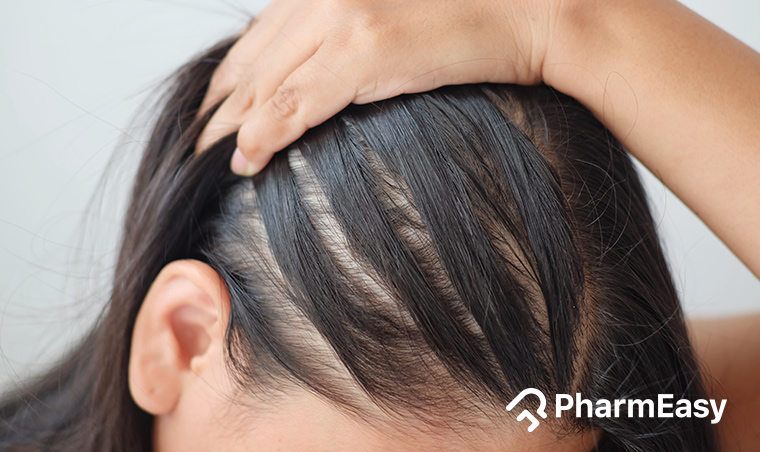
This situation is remarkably prevalent. Hair loss, medically termed alopecia, affects millions in India, with studies indicating a significant percentage of the population experiencing some form of thinning or loss at some point. What most people overlook: the connection between lifestyle, diet, and the condition of the scalp.
Understanding Hair Loss in the Indian Setting
Hair shedding is a multifaceted issue influenced by genetics, hormonal shifts, stress, nutritional inadequacies, and environmental elements. In India, particular cultural norms and eating patterns can play a role. For example, the frequent application of harsh chemical treatments for styling, tight hairstyles that induce traction alopecia, and even dietary imbalances prevalent during celebratory periods can worsen the situation.
Frankly, the sheer abundance of hair loss treatments found online can be overwhelming. Have you ever questioned why? It's frequently because a universal approach seldom works for something as individual as the issue of one's hair.
The numbers don't lie.
The Science Behind typical Hair Loss Triggers
Nutritional deficiencies are a primary cause. Iron deficiency anaemia, for instance, is widespread among women in India, and insufficient iron levels can result in considerable hair thinning. Vitamin D deficiency is also prevalent, impacting the hair growth cycle. Thyroid disorders, affecting over 40 million individuals in India (AIIMS study), can disrupt hair development patterns.
Stress, a constant presence in contemporary urban living, triggers the release of cortisol, which can push hair roots into a dormant phase, leading to increased shedding a few months later. Consider it this way: your body prioritizes essential functions when under pressure, and hair growth frequently takes a lower priority. Over 101 million individuals in India have diabetes (ICMR, 2023), and while not a direct factor, poorly managed diabetes can affect circulation, including to the scalp, potentially impacting hair vitality over time.
Effective Natural Home Solutions for Hair Loss
While medical treatments are available, many individuals find relief and improvement through natural solutions readily found in Indian kitchens. These typically function by nourishing the scalp, fortifying hair roots, and enhancing blood flow.
1. Onion Juice: A Potent Elixir
Onion juice is perhaps one of the most popular home remedies. Its high sulphur content is thought to promote collagen production, which is vital for robust hair. Sulphur also aids in regenerating hair roots. Research suggests that topical application of onion juice can be helpful in cases of alopecia areata.
Here's where it gets interesting.
Applying raw onion juice directly to the scalp, leaving it for 15-30 minutes, and then washing it off thoroughly with a mild shampoo can yield positive outcomes. The strong odour is a disadvantage, but many find the advantages outweigh this temporary inconvenience. What should you actually do? Dilute it with a carrier oil like coconut oil if the smell is too intense initially.
2. Aloe Vera: Soothing and Strengthening
Aloe vera is celebrated for its calming properties and is rich in vitamins and minerals that nourish hair roots. Its enzymes can help break down dead skin cells on the scalp, unblocking roots and promoting healthier development. On top of that,, its anti-inflammatory characteristics can soothe an irritated scalp.
Applying fresh aloe vera gel directly to the scalp and hair, leaving it for an hour, and then rinsing can be very advantageous. It's a mild solution, suitable for most hair types. In many instances, consistent application twice weekly shows discernible improvement in hair texture and reduced breakage.
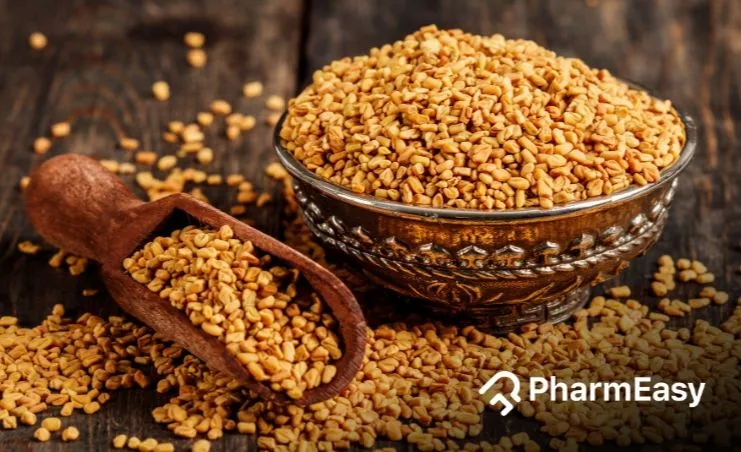
3. Fenugreek (Methi) Seeds: The Root Booster
Fenugreek seeds are a powerhouse of nutrients, including iron and protein, which are essential for hair development. They also contain compounds that enable strengthen hair shafts and prevent breakage. Soaking fenugreek seeds overnight and grinding them into a paste is a widespread method.
Most people overlook this completely.
This paste can then be applied to the scalp and hair for approximately 30 minutes before washing. Have you ever pondered why? The protein content aids in rebuilding the hair shaft, while the lecithin acts as a natural conditioner.
4. Coconut Oil: The Nourishing Base
Coconut oil is a staple in Indian households for a valid reason. Its lauric acid content allows it to penetrate the hair shaft, reducing protein loss. Regular scalp massages with warm coconut oil can improve blood circulation to the roots, promoting growth and strengthening hair from within.
It also helps combat dryness and dandruff, prevalent issues worsened by changing weather patterns. A warm oil massage, followed by a gentle shampoo after a few hours or overnight, is a time-tested solution. It’s important to choose pure, cold-pressed coconut oil for optimal advantages.
5. Amla (Indian Gooseberry): Vitamin C Powerhouse
Amla is exceptionally rich in Vitamin C and antioxidants, which are vital for collagen production and combating free radical damage that can harm hair roots. Its astringent properties can aid tighten scalp tissues, potentially reducing hair loss. Amla powder can be mixed with water or oil to form a paste and applied to the scalp.
It sounds simple. It rarely is.
Alternatively, amla juice can be consumed orally. Its benefits are well-documented in Ayurvedic texts, highlighting its effectiveness for hair vitality. The IDF (International Diabetes Federation) has noted that good nutrition, including ample Vitamin C, is crucial for overall well-being, which indirectly supports hair vigor.
6. Hibiscus Flowers and Leaves: Stimulating Growth
The flowers and leaves of the hibiscus plant are believed to stimulate hair development and prevent premature greying. They contain vitamins and amino acids that aid promote a healthy hair cycle. A paste made from hibiscus leaves and flowers (frequently combined with coconut oil or yogurt) can be applied to the scalp.
This traditional solution, used for generations, aims to fortify roots and encourage denser hair. In many instances, this natural conditioner also leaves hair feeling softer and more manageable.
Lifestyle Adjustments for Healthier Hair
Beyond topical applications, integrating certain lifestyle changes can significantly impact hair loss. What most people miss: the holistic approach is key.
Dietary Improvements
A balanced diet is fundamental. Ensure adequate intake of protein (dal, legumes, eggs, lean meats), iron (leafy greens, lentils), zinc (nuts, seeds), and essential fatty acids (flaxseeds, walnuts). Hydration is equally major; drinking plenty of water supports overall bodily functions, including hair vitality.
Consider incorporating traditional foods known for their nutritional value, like sprouted moong or a variety of dals. This focus on nutrition is echoed by global health organizations like the WHO, which consistently emphasize the importance of a balanced diet for preventing various health issues, including those that manifest as hair problems.
It sounds simple. It rarely is.
Stress Management Techniques
Chronic stress is a silent saboteur of hair vitality. Practicing stress-reducing activities like yoga, meditation, deep breathing exercises, or even engaging in hobbies you enjoy can make a major difference.
A regular sleep schedule—aiming for 7-8 hours of quality sleep—is also crucial for hormonal balance and cellular repair, which benefits hair roots. Frankly, finding time for relaxation might seem like a luxury, but it's a necessity for managing hair loss effectively.
Gentle Hair Care Practices
Avoid harsh chemical treatments like frequent colouring, perming, or straightening. Be gentle when washing and drying your hair; avoid vigorous rubbing. Opt for wide-tooth combs, especially when detangling wet hair. Minimize the use of heat styling tools.
If you often sit on the floor, be mindful of how you tie your hair to avoid excessive pulling. Have you ever wondered why? Tight hairstyles can lead to traction alopecia, a type of hair loss caused by prolonged tension on the hair roots.
This is where most patients struggle.
When to Seek Professional aid
While home solutions can be impactful, it's crucial to recognise when professional medical advice is necessary. If you experience sudden, excessive hair loss, bald patches, or scalp itching and pain, consult a dermatologist or trichologist. These symptoms could indicate underlying medical conditions that require specific treatment.
A doctor can perform necessary tests—like blood work to check for deficiencies or thyroid issues—and recommend appropriate medical interventions. Research published in journals like The Lancet has highlighted the effectiveness of medically supervised treatments for certain types of alopecia, frequently in conjunction with lifestyle changes.
Key Takeaways
- Natural solutions like onion juice, aloe vera, and fenugreek can nourish the scalp and strengthen hair roots.
- A balanced diet rich in protein, iron, and vitamins is crucial for preventing hair loss.
- Stress management and gentle hair care practices significantly contribute to healthier hair.
- Sudden or severe hair loss warrants consultation with a medical professional.
- Consistent application and lifestyle changes are key to seeing results from home remedies.
Always consult a qualified physician before making any medical decisions.