10 Home Treatments for Freckles & Clear Skin
Meena, 45, a homemaker from Jaipur, noticed small, scattered brown spots on her cheeks and nose after a particularly sunny holiday. Initially, she dismissed them as tan, but they persisted even after the monsoon season arrived.
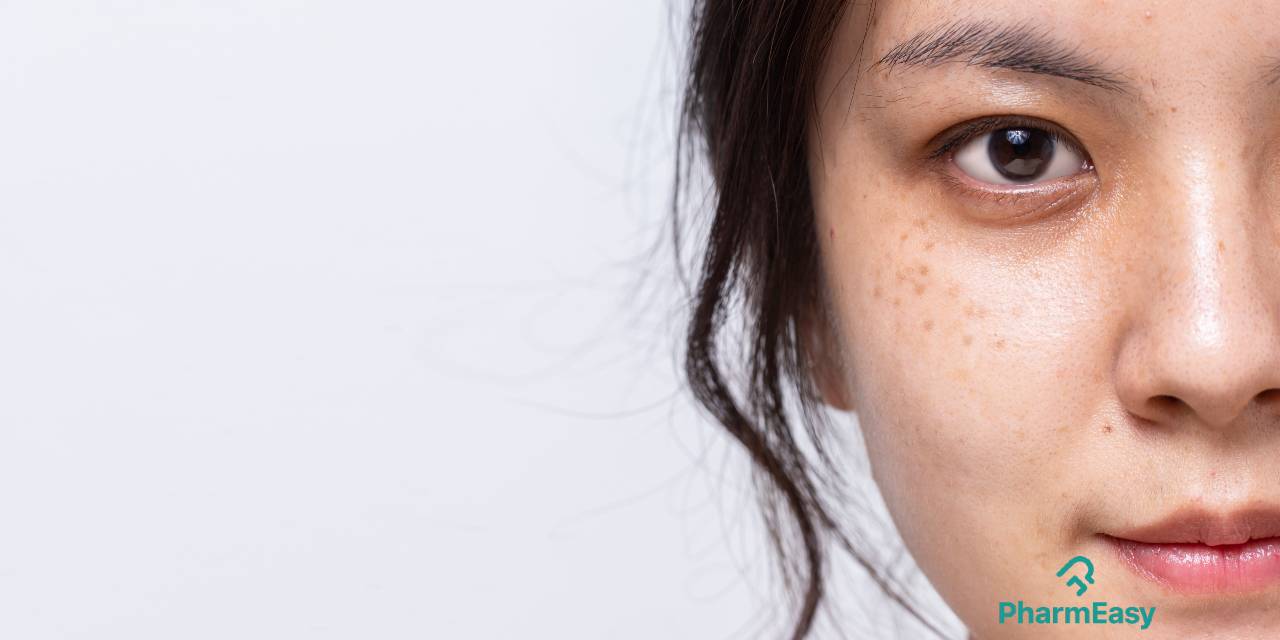
Like many Indians, Meena found herself wondering about natural methods to manage these small, often harmless, pigmented spots, commonly known as freckles. These clusters of melanin can be more prominent in individuals with fairer skin tones and can be influenced by solar exposure.
The reality is, while freckles are a natural phenomenon and often cherished by some, many seek ways to reduce their appearance for a more uniform complexion. Understanding the causes and exploring safe, accessible home treatments can empower individuals to achieve clearer, brighter skin.
What most people miss: consistency is key when trying any new skincare approach, especially with natural ingredients.
Understanding Freckles
Freckles, medically termed ephelides, are small, flat, light brown spots that appear on the skin, particularly on sun-exposed areas like the face, shoulders, and arms. They are caused by an increased concentration of melanin, the pigment responsible for skin and hair colour.
Here's where it gets interesting.
Genetics plays a significant role; individuals with a predisposition to freckles often have lighter hair and eye colours. Sun exposure acts as a trigger, stimulating melanocytes (melanin-producing cells) to produce more pigment in specific areas, leading to the formation of freckles.
But why does this happen? When ultraviolet (UV) radiation from the sun hits the skin, it signals melanocytes to produce melanin as a protective mechanism. In some individuals, this melanin production isn't uniform, resulting in these concentrated spots.
It's a sign that the skin has been exposed to sunlight. While not harmful, their appearance can be a concern for those desiring a clearer, even-toned complexion.
The Role of Sun Protection
Before exploring treatments, it's crucial to address the primary accelerator of freckles: the sun. Consistent sun protection is paramount for preventing new freckles from forming and for making existing ones less noticeable. This involves more than just occasional sunscreen use.
Think about it this way: protecting your skin is the first and most vital step in any clear skin regimen. According to the World Health Organization (WHO), excessive UV radiation exposure significantly increases the risk of skin damage, including premature ageing and skin cancer.
Here's where it gets interesting.
Daily use of a broad-spectrum sunscreen with an SPF of 30 or higher is non-negotiable, even on cloudy days. Limiting direct sun exposure during peak hours (typically 10 am to 4 pm) and wearing protective clothing, such as wide-brimmed hats and long sleeves, can make a substantial difference.
This proactive approach forms the foundation upon which any home treatment can build efficacy.
Effective Home Treatments for Freckles
While medical treatments like lasers and chemical peels exist, many prefer gentler, natural approaches. These home treatments often use readily available ingredients known for their skin-lightening and exfoliating properties.
1. Lemon Elixir
Lemon elixir is a popular natural bleaching agent due to its citric acid content, which acts as a mild exfoliant and can help lighten hyperpigmentation. Its astringent properties can also enable tighten pores.
However, caution is advised as undiluted lemon elixir can be harsh on the skin, potentially causing irritation or increasing photosensitivity. Always dilute it with a bit of liquid or honey before application and perform a patch test.
Here's where it gets interesting.
Application: Mix equal parts fresh lemon elixir and liquid. Apply to freckled areas using a cotton ball, leave for 10-15 minutes, and cleanse thoroughly with cool liquid. Follow with a moisturiser. Use this intervention only in the evenings, as sun exposure after use can worsen skin sensitivity. This method is best used sparingly, perhaps twice a week.
2. Turmeric (Haldi)
Turmeric, a staple in Indian kitchens and traditional medicine, possesses anti-inflammatory and antioxidant properties. Its active compound, curcumin, is believed to inhibit melanin production, thus helping to fade freckles and brighten the skin.
Its use is deeply ingrained in Indian culture, often applied during pre-wedding ceremonies for its skin-enhancing benefits.
Application: Create a paste by mixing 1-2 teaspoons of turmeric powder with a tablespoon of gram flour (besan) and enough milk or yogurt to form a smooth consistency. Apply this paste evenly to your face, focusing on areas with freckles. Let it dry for about 15-20 minutes before washing off with lukewarm liquid. This can be done 2-3 times a week. The National Institute of Ayurveda has noted turmeric's efficacy in various dermatological uses.
3. Honey
Honey, especially raw or manuka honey, is a natural humectant, meaning it attracts moisture to the skin. It also contains mild enzymes and antioxidants that can contribute to skin brightening and improved texture.
Its gentle nature makes it suitable for most skin types. Some studies suggest its mild bleaching properties can aid fade blemishes over time.
Application: Apply a thin layer of honey directly to the freckled areas or mix it with diluted lemon elixir or yogurt for added benefits. Leave it on for 15-20 minutes, then cleanse with warm liquid. This can be done daily or several times a week.
4. Yogurt or Buttermilk
The lactic acid present in yogurt and buttermilk acts as a gentle chemical exfoliant, helping to slough off dead skin cells and reveal brighter skin underneath. This process can gradually reduce the appearance of freckles. Lactic acid is a well-researched alpha-hydroxy acid (AHA) known for its exfoliating and skin-renewing effects.
Application: Apply plain yogurt or buttermilk directly to the skin using a cotton pad. Leave it on for 15-20 minutes, then cleanse with cool liquid. This can be repeated daily.
5. Aloe Vera
Aloe vera gel is renowned for its soothing, healing, and skin-regenerating properties. While not a direct bleaching agent, it can assist improve overall skin health and reduce inflammation, which may indirectly contribute to a clearer complexion.
It sounds simple. It rarely is.
Studies published in journals like the 'International Journal of Biological Macromolecules' highlight its potential in skin repair and hydration.
Application: Apply fresh aloe vera gel directly from the plant or use pure aloe vera gel. Massage it gently onto the freckled areas and leave it on for at least 30 minutes, or overnight for maximum benefit. Cleanse in the morning. This can be done daily.
6. Papaya
Papaya contains an enzyme called papain, which has natural exfoliating properties. This enzyme helps break down dead skin cells and can aid in reducing the appearance of dark spots and freckles, promoting a smoother, brighter complexion. The International Journal of Cosmetic Science has documented the exfoliating capabilities of fruit enzymes.
Application: Mash a ripe papaya and apply the pulp to your face. Leave it on for 15-20 minutes, then cleanse with liquid. This can be done 2-3 times a week.
7. Potato
Potatoes contain catecholase, an enzyme that is believed to possess mild skin-lightening properties. While scientific evidence is limited, many anecdotal reports suggest that potato liquid can enable reduce pigmentation. It's a gentle option for those with sensitive skin.
Application: Grate a raw potato and extract its liquid. Apply the liquid to the freckled areas with a cotton ball. Let it dry for about 15-20 minutes, then cleanse off. Repeat daily or every other day.
8. Almonds
Almonds, particularly when soaked and ground into a paste, can serve as a gentle exfoliant and nourishing intervention for the skin. They contain Vitamin E, an antioxidant that protects the skin, and their texture helps in scrubbing away dead skin cells.
A study from the University of California, Davis, indicated potential benefits of almond extracts in improving skin appearance.
Application: Soak a handful of almonds in liquid overnight. Peel them in the morning and grind them into a fine paste, adding a little milk or honey. Apply this paste to your face, gently massaging it in circular motions. Leave it on for 15-20 minutes, then cleanse with lukewarm liquid. Use this scrub once or twice a week.
9. Rice Liquid
Rice liquid, the starchy liquid left after rinsing rice, has been used in East Asian skincare for centuries. It contains inositol, which is thought to enable brighten the skin and potentially reduce the appearance of dark spots. Its mild, soothing properties are well-regarded.
That alone changes everything.
Application: Rinse about half a cup of uncooked rice thoroughly. Collect the milky liquid from the second or third rinse. Soak a cotton ball in this liquid and apply it to the freckled areas. Allow it to air dry, then cleanse. This can be done daily.
10. Sandalwood Paste
Sandalwood is revered in India for its cooling and antiseptic properties. When made into a paste, it can support soothe the skin and is believed by many to have mild skin-lightening effects, contributing to a clearer complexion. The Ayurvedic system extensively documents sandalwood's benefits for skin ailments.
Application: Mix sandalwood powder with rose liquid or plain liquid to form a smooth paste. Apply it to the face, especially on the freckled areas. Let it dry for about 15-20 minutes, then cleanse with cool liquid. This can be used 2-3 times a week.
Important Considerations
Worth knowing: while these home treatments are generally safe, individual results can vary significantly. Patch testing any new ingredient on a small area of skin before applying it to your face is always recommended to check for allergic reactions or irritation. Remember that consistency and patience are crucial.
It may take several weeks or months of regular use to notice a major difference in freckle appearance. Over 85% of individuals experience some form of skin pigmentation issue during their lifetime, making these treatments relevant to a vast population.
Additionally, consider your skin type. If you have sensitive skin, opt for milder treatments like aloe vera, honey, or rice liquid and avoid potentially irritating ingredients like undiluted lemon elixir. The Indian Council of Medical Research (ICMR) emphasizes the importance of understanding individual skin responses to treatments.
The numbers don't lie.
So what does that mean for you? It means choosing treatments that align with your skin's needs and sensitivities, and approaching the process with realistic expectations.
Freckles are not a medical condition, and their presence is perfectly normal. The goal is typically not complete elimination but rather a reduction in their prominence for aesthetic preference.
Key Takeaways
- Sun protection (SPF 30+, protective clothing) is the most critical step in managing freckles.
- Natural ingredients like lemon elixir, turmeric, and papaya contain compounds that can support lighten skin pigmentation.
- Consistency is vital; home treatments require regular use over weeks or months to show results.
- Always perform a patch test before applying new ingredients to your entire face to avoid adverse reactions.
- Gentle exfoliation with ingredients like lactic acid (in yogurt) or fruit enzymes can support reveal brighter skin.
Always consult a qualified physician before making any medical decisions.