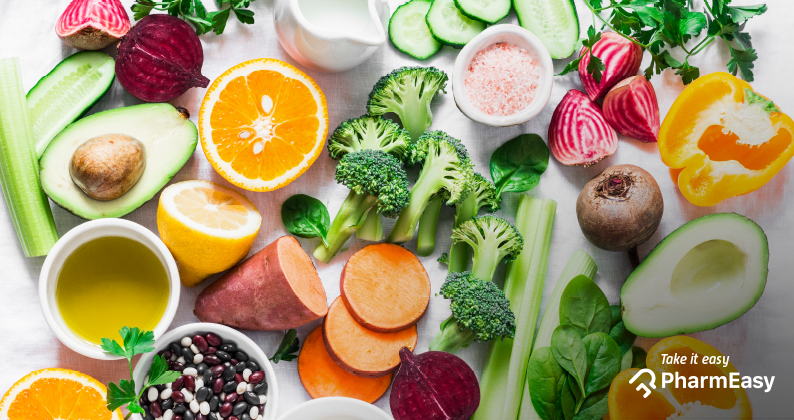
20 Foods To Eat For A Radiant Complexion!
Meena, 45, a homemaker from Jaipur, noticed a dullness in her skin that no amount of expensive creams seemed to fix. She felt her skin was losing its natural radiance, especially after the monsoon season, which often left her feeling sluggish. Frustrated, she consulted her dermatologist, who suggested a dietary overhaul.
Have you ever wondered why? What most people miss is that true skin vitality begins from within. Your skin is your body's largest organ, and its condition reflects your overall well-being and the nutrients you consume.
Practically speaking, achieving luminous skin isn't just about topical treatments; it's significantly influenced by your diet. The sustenance we consume provides the building blocks for skin cells, protects against environmental insults, and helps maintain hydration and suppleness.
Honestly, incorporating the right sustenance can make a remarkable difference in how your skin looks and feels. Let's explore 20 power-packed sustenance options that can contribute to a more vibrant, more radiant complexion.
Here's where it gets interesting.
The Power of Nutrition for Your Skin
Your skin is constantly regenerating, and this process requires a steady supply of micronutrients, minerals, antioxidants, and beneficial fats. Deficiencies in key nutrients can manifest as dryness, premature aging, breakouts, and a general lack of vitality.
The World Health Organization (WHO) emphasizes the link between diet and non-communicable diseases, and skin well-being is certainly part of this equation. By choosing nutrient-dense sustenance, you can support your skin's natural repair mechanisms and protect it from harm.
Antioxidant-Rich Foods: Your Skin's Shield
Antioxidants are crucial for combating free radicals – unstable molecules that harm skin cells and accelerate aging. These damaging agents are produced by factors like pollution, UV radiation, and even stress. Fortunately, many delicious sustenance options are packed with these protective compounds.
1. Berries (Blueberries, Strawberries, Raspberries): These small but mighty fruits are bursting with antioxidants like anthocyanins and ascorbic acid. Ascorbic acid is vital for collagen production, which keeps skin firm and youthful. A cup of mixed berries can provide over 100% of your daily ascorbic acid needs.
2. Dark Chocolate (70% Cocoa or Higher): Yes, you read that right! Rich in flavonoids, dark chocolate can improve blood flow to the skin and protect against sun harm. Enjoy a small square (about 30g) daily.
3. Leafy Greens (Spinach, Kale): Packed with retinol precursors, ascorbic acid, tocopherol, and phylloquinone, along with lutein and zeaxanthin, these greens are skin powerhouses. Lutein, in particular, helps hydrate the skin and protects it from UV harm. Studies have shown that consuming these nutrients regularly can reduce skin redness and optimise suppleness.
4. Tomatoes: Lycopene, a potent antioxidant found in tomatoes, offers excellent protection against sun harm. Cooking tomatoes can actually increase the bioavailability of lycopene.
5. Green Tea: This soothing beverage is loaded with polyphenols, particularly catechins, which have powerful antioxidant and anti-inflammatory properties. Consuming 2-3 cups daily can help protect your skin from UV radiation and reduce redness. The Lancet published research highlighting the benefits of green tea extracts in skin protection.
Beneficial Fats for Supple Skin
Beneficial fats are essential for maintaining the skin's barrier function, keeping it moisturized, plump, and flexible. They also aid reduce inflammation, which can trigger skin conditions like acne and eczema.
That alone changes everything.
6. Avocados: Rich in monounsaturated fats, tocopherol, and ascorbic acid, avocados nourish and protect the skin. Tocopherol is a powerful antioxidant that guards against oxidative harm. Avocado consumption has been linked to improved skin suppleness and reduced wrinkles in observational studies.
7. Fatty Fish (Salmon, Mackerel, Sardines): These fish are excellent sources of omega-3 fatty acids, which are crucial for keeping skin thick, supple, and moisturized. Omega-3s also reduce inflammation, which can cause redness and acne. In many cases, diets rich in omega-3s can significantly benefit individuals with inflammatory skin conditions.
8. Nuts and Seeds (Walnuts, Sunflower Seeds, Flaxseeds): Walnuts contain essential fatty acids (omega-3 and omega-6) and zinc, which is important for skin well-being and wound healing. Sunflower seeds are a great source of tocopherol. Flaxseeds are rich in lignans and omega-3s. A small handful of mixed nuts and seeds daily is a great way to boost your intake.
9. Olive Oil (Extra Virgin): This staple of the Mediterranean diet is rich in monounsaturated fatty acids and antioxidants. It may support reduce heart disease risk and has been associated with more vibrant-looking skin. Use it generously in salads and for light cooking.
Micronutrients and Minerals: The Building Blocks
Specific micronutrients and minerals play direct roles in skin well-being, from cell repair to collagen synthesis and protection.
10. Sweet Potatoes: A fantastic source of beta-carotene, which the body converts into retinol. Retinol is essential for skin cell turnover and repair, and it also acts as a natural sun protectant. One medium sweet potato provides well over the daily recommended intake of retinol.
11. Bell Peppers (Especially Red and Yellow): Like sweet potatoes, bell peppers are rich in beta-carotene. They also contain a significant amount of ascorbic acid, making them a dual-action sustenance option for skin well-being.
12. Broccoli: This cruciferous vegetable is packed with retinol precursors and ascorbic acid, plus zinc and lutein. It also contains sulforaphane, a compound that may enable protect against sun harm and even skin cancer. The sulforaphane in broccoli has demonstrated notable photoprotective effects in research.
13. Lentils and Legumes: These are great sources of protein, fiber, and essential minerals like zinc. Zinc plays a vital role in skin healing and controlling inflammation associated with acne. Over 101 million Indians have diabetes (ICMR, 2023), and incorporating fiber-rich legumes can aid manage blood sugar levels, indirectly benefiting skin well-being.
14. Eggs: Eggs are a good source of protein and contain lutein and zeaxanthin, which are beneficial for skin well-being. They also provide biotin, a B micronutrient crucial for vibrant skin, hair, and nails. A single large egg contains about 6 grams of protein.
Hydration and Gut Health for Clear Skin
Keeping your body hydrated and your gut well is fundamental for clear, radiant skin. Water is essential for flushing toxins and maintaining skin suppleness. A well-functioning gut microbiome can also influence skin inflammation and clarity.
15. Water: The most fundamental element for life and skin well-being. Proper hydration is key to maintaining skin suppleness and preventing dryness. Aim for at least 8 glasses (around 2 liters) of water daily. The Indian Journal of Medical Research has highlighted the importance of adequate fluid intake for overall well-being.
16. Yogurt (Probiotic-Rich): Probiotics found in yogurt can enable balance your gut bacteria, which may lead to clearer skin. Look for plain, unsweetened varieties. A serving of yogurt can contain billions of beneficial bacteria.
17. Fermented Foods (Kimchi, Sauerkraut, Idli): These sustenance options are rich in probiotics that support gut well-being. Idli, a staple in South Indian cuisine, is a fermented rice and lentil cake that contributes to a balanced gut microbiome. This connection between gut health and skin conditions like acne is an area of active research.
Other Skin-Boosting Foods
Don't forget these other excellent additions to your diet.
18. Pomegranates: Rich in antioxidants and ascorbic acid, pomegranates may enable protect the skin from harm and promote healing. Their unique compounds may also stimulate collagen production.
19. Watermelon: Composed of over 90% water, watermelon is incredibly hydrating. It also contains lycopene and retinol precursors and ascorbic acid, contributing to vibrant skin. Enjoying watermelon, especially during the hot Indian summers, is both refreshing and beneficial.
20. Turmeric: This golden spice, a staple in Indian kitchens, contains curcumin, a powerful anti-inflammatory and antioxidant compound. It has been used for centuries in Ayurvedic medicine for its healing properties. Research published in reputable journals like The Journal of Clinical and Aesthetic Dermatology supports its anti-inflammatory benefits for skin conditions.
Putting It All Together: A Balanced Approach
Achieving vibrant skin is a journey, not a destination. It requires a consistent, balanced approach that combines a nutrient-rich diet with good skincare practices. Remember Meena from Jaipur? After incorporating these sustenance options into her daily meals – like adding berries to her breakfast poha, switching to whole wheat roti, and enjoying a bowl of yogurt after her afternoon meal – she began to see a visible difference.
Her skin looked brighter, felt more hydrated, and had a radiant glow that even her neighbours noticed. So what does that mean for you? It means small, consistent changes can yield marked results.
Honestly, while these sustenance options can work wonders, individual outcomes may vary. Factors like genetics, lifestyle, and underlying well-being conditions also play a role. What most people miss is that consistency is key. Making these sustenance options a regular part of your diet, rather than an occasional indulgence, will provide the best benefits.
The numbers don't lie.
Think of it as nourishing your skin from the inside out, much like how tending to a plant ensures it blooms vibrantly. Have you ever wondered why some people seem to have naturally glowing skin? Often, it's a combination of good genes and a diet rich in these beneficial nutrients.
Practically speaking, you don’t need to overhaul your entire diet overnight. Start by adding one or two new skin-friendly sustenance options each week. Swap your usual snack for a handful of nuts, add spinach to your morning omelette, or include fatty fish in your weekly meals.
Small, sustainable changes are more likely to stick. Remember the cultural context of Indian cuisine – many traditional dishes already incorporate ingredients like turmeric, lentils, and yogurt, which are excellent for skin well-being.
Key Takeaways for Radiant Skin:
- Antioxidants from berries, leafy greens, and tomatoes fight free radical harm.
- Beneficial fats in avocados, fatty fish, and nuts keep skin hydrated and supple.
- Retinol precursors and ascorbic acid from sweet potatoes, bell peppers, and broccoli are crucial for cell repair and collagen production.
- Hydration with water and probiotics from yogurt and fermented foods support overall skin well-being and clarity.
- Turmeric, a staple spice, offers powerful anti-inflammatory benefits for the skin.
Always consult a qualified physician before making any medical decisions.