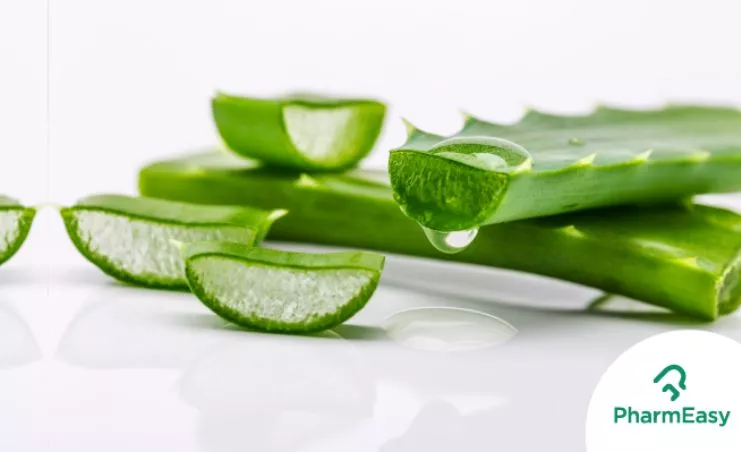
9 Remarkable Aloe Vera Benefits for Your Face and Skin
Meena, 45, a homemaker from Jaipur, noticed an unwelcome change in her skin after the monsoon. Increased humidity had led to persistent breakouts and an oily sheen, making her feel self-conscious. She remembered her grandmother applying a cooling gel to soothe minor burns and rashes, a gel derived from a spiky, green plant.
This plant, of course, is aloe vera, a botanical powerhouse that has been revered for centuries in Indian households and across the globe for its remarkable healing and beautifying qualities. Truly, its adaptability is astonishing.
For centuries, traditional Indian medicine systems like Ayurveda have incorporated aloe vera (sometimes called 'Ghritakumari' or 'the immortal plant') into their formulations. Its moisture-replenishing and soothing qualities make it a go-to remedy for a myriad of skin concerns.
But why does this happen? The magic lies within its gel-like pulp, which is packed with vitamins, minerals, amino acids, and antioxidants.
1. Intense Moisture Replenishment for Supple Skin
Consider this: Your skin is constantly losing moisture. Aloe vera is composed of about 99% water, making it an exceptional topical hydrator. When applied, it replenishes lost water content without leaving a greasy residue, a common issue for many individuals, especially in humid climates.
That alone changes everything.
This is crucial because well-moisturized skin appears plumper, smoother, and more youthful. Studies have shown that regular use can significantly improve skin moisture levels and reduce flakiness.
2. Soothing Sunburns and Reducing Redness
Sunburn is a prevalent woe, particularly during India's scorching summers or after long periods outdoors. Aloe vera's potent cooling and soothing effects provide rapid relief. It helps to reduce redness, swelling, and the burning sensation associated with UV damage.
Practically speaking, keeping a bottle of pure aloe vera gel in your refrigerator can offer instant comfort after a day at the beach or prolonged sun exposure. Its polysaccharides help to repair the skin barrier, while its soothing compounds, like acemannan, calm the irritated skin.
3. Fighting Acne and Blemishes
Acne affects a significant portion of the population. Over 101 million Indians have diabetes (ICMR, 2023), and while not directly linked, poor glycemic control can sometimes exacerbate skin issues. For acne sufferers, aloe vera offers a gentle yet effective solution. It possesses antibacterial and soothing actions that combat acne-causing bacteria (like Propionibacterium acnes) and reduce the redness and swelling of pimples.
Its salicylic acid content also helps to unclog pores, preventing future breakouts. So what does that mean for you? It means a clearer complexion with fewer inflammatory lesions.
4. Promoting Wound Healing
Minor cuts, scrapes, and even surgical wounds can benefit from aloe vera's regenerative capabilities. Research published in journals like The Lancet has indicated that aloe vera can accelerate the healing process by stimulating fibroblast activity, which produces collagen and elastin fibres essential for skin repair.
This is where most patients struggle.
It also possesses antiseptic qualities, helping to prevent infection in open wounds. This makes it a valuable addition to any home first-aid kit.
5. Anti-Aging Effects and Wrinkle Reduction
As we age, our skin produces less collagen and elastin, leading to wrinkles and sagging. Aloe vera can enable counteract this. It stimulates the production of collagen and hyaluronic acid, which are vital for maintaining skin elasticity and moisture.
The antioxidants present in aloe vera, such as Vitamin C and E, also fight free radical damage – a major contributor to premature aging. A study found that topical application of aloe vera gel significantly improved skin elasticity and reduced wrinkle depth in older adults.
6. Fading Dark Spots and Hyperpigmentation
Hyperpigmentation, often seen as dark spots or uneven skin tone, can be a persistent concern for many. A compound in aloe vera called aloin has been shown to possess depigmenting effects. It inhibits melanin production, the pigment responsible for skin colour, thereby helping to lighten dark spots caused by sun exposure, acne scars, or hormonal changes.
Consistent application can lead to a more even and radiant complexion. For many Indian women, this is particularly important during festival seasons when flawless skin is sought.
7. Gentle Exfoliation for Brighter Skin
While not a harsh physical exfoliant, aloe vera contains enzymes like bradykinase that have soothing qualities and can benefit gently exfoliate the skin. This process removes dead skin cells, revealing fresher, brighter skin underneath.
Most people overlook this completely.
It’s a mild yet reliable way to strengthen skin texture and luminosity without causing irritation, which is a notable advantage over harsher chemical exfoliants.
8. Treating Dry, Itchy Skin and Eczema
For individuals suffering from chronic dry skin, eczema, or psoriasis, aloe vera can be a godsend. Its moisture-replenishing and soothing actions work synergistically to calm itching, reduce redness, and restore the skin's natural barrier function.
Unlike some medicated creams that can be drying or irritating, aloe vera offers a gentle, calming alternative. The World Health Organization (WHO) has recognized the therapeutic potential of many medicinal plants, including aloe vera, for various ailments.
9. Cooling and Rejuvenating Face Masks
Imagine the feeling of cool, soothing gel on your face after a long day. Aloe vera is the perfect base for DIY face masks. You can mix it with other plant-based ingredients like turmeric (known for its soothing and brightening qualities), honey (a humectant and antibacterial agent), or rosewater (for toning and refreshment).
This creates a personalised treatment that addresses your specific skin needs, whether it's moisture, oil control, or a radiant glow. Such practices are deeply rooted in Indian beauty traditions, sometimes performed during family gatherings.
It sounds simple. It rarely is.
Choosing and Using Aloe Vera
When selecting aloe vera products, opt for those with a high percentage of pure aloe vera extract and minimal additives. Fresh aloe vera gel, directly from the plant, is the purest form. Simply cut a leaf, scoop out the gel, and apply it gently to your skin.
If using a store-bought product, ensure it's from a reputable brand. You can find aloe vera gel readily available in most pharmacies and beauty stores across India.
How to Apply:
- For Moisture: Apply a thin layer of pure aloe vera gel to clean skin, morning and night.
- For Sunburn: Apply generously to the affected area several times a day.
- For Acne: Dab a small amount directly onto blemishes.
- As a Mask: Mix with other ingredients and apply for 15-20 minutes before rinsing.
Remember, while aloe vera is generally safe, it's always wise to perform a patch test on a small area of your inner arm before applying it to your face, especially if you have sensitive skin. This helps rule out any rare allergic reactions.
The Indian Council of Medical Research (ICMR) also encourages research into plant-based remedies, highlighting the growing interest in such treatments.
Key Takeaways
- Aloe vera provides intense moisture due to its high water content (around 99%).
- It offers considerable relief for sunburns with its cooling and soothing qualities.
- The plant's antibacterial and soothing actions support combat acne and blemishes.
- Aloe vera promotes wound healing and can aid in reducing scars and hyperpigmentation.
- It stimulates collagen production, contributing to anti-aging effects and improved skin elasticity.
Always consult a qualified physician before making any medical decisions.