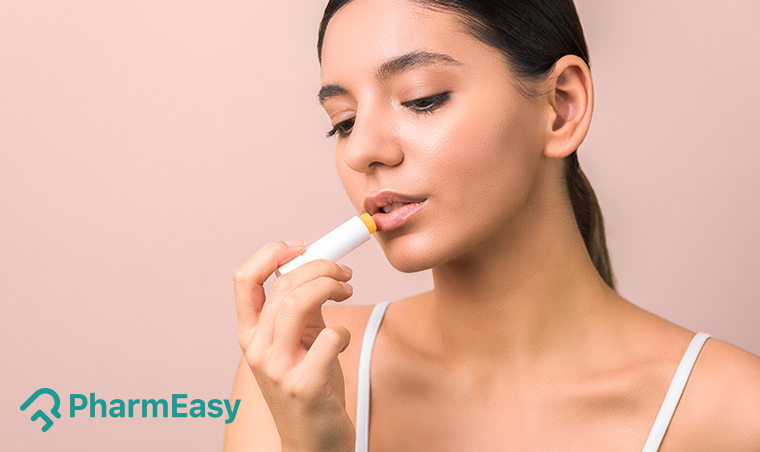
Battling Dry Lips: Effective Home Solutions from an Indian Perspective
Meena, 45, a homemaker from Jaipur, noticed her lips becoming uncomfortably parched and cracked, particularly during the lingering winter months. The constant peeling and soreness made even smiling a challenge. Like many Indians, she frequently sat on the floor during family gatherings, and the aridness seemed amplified by the air.
Have you ever pondered why your lips appear to suffer disproportionately during certain seasons or after specific activities? The delicate skin on our lips lacks oil glands, rendering it more susceptible to moisture loss than the rest of your face.
The reality is, parched and chapped lips are a widespread concern, especially in a nation like India with its varied climatic conditions – from the arid deserts of Rajasthan to the humid monsoons that can still lead to a lack of fluids. Understanding the origins is the initial stride toward proven management.
These can span environmental elements like low atmospheric moisture, wind, and sun exposure, to lifestyle choices such as insufficient fluid intake, certain prescriptions, nutritional shortfalls, and even habitual lip-licking, which paradoxically worsens the condition.
This is where most patients struggle.
Common Origins of Dry Lips
Environmental exposure is a significant factor. Cold, arid air, especially during winter, strips moisture from the lips. Likewise, prolonged sun exposure can result in parchedness and even sunburn on the lips. In many instances, a lack of bodily fluids makes a real difference; when your body lacks sufficient liquid, your lips are frequently among the first indicators.
Certain prescriptions, including antihistamines, acne treatments (such as isotretinoin), and diuretics, can also present dry lips as an adverse effect. Nutritional deficiencies, particularly in B vitamins and iron, have been associated with persistent lip parchedness and cracking. Lastly, habitual lip-licking, while appearing to be a rapid fix, evaporates saliva quickly, leaving lips even drier and more vulnerable to chapping.
Natural Solutions for Soft, Moisturized Lips
Practically speaking, integrating natural solutions into your daily regimen can bring about a considerable improvement. These solutions are typically readily obtainable in Indian homes and are gentle yet potent.
1. Coconut Oil: The Tropical Moisturizer
Coconut oil is a cherished ingredient in India for its skin-softening and emollient attributes. Its fatty acids permeate the skin, delivering profound moisture. Simply apply a modest amount of pure, virgin coconut oil to your lips multiple times throughout the day, particularly before retiring. You can use it directly from its container.
Most people overlook this completely.
2. Honey: Nature's Moisture-Attractor
Honey is a natural humectant, signifying that it pulls atmospheric moisture into your skin. Its germ-fighting and anti-inflammatory qualities also assist in healing fractured lips.
Apply a thin coating of raw, organic honey to your lips and let it rest for 15-20 minutes before gently wiping or tasting it. For an additional boost, blend honey with a small quantity of ghee (clarified butter), another staple in Indian kitchens celebrated for its richness.
3. Ghee: The Rich Emollient
Ghee, especially good quality desi ghee, is exceptionally rich in fatty acids and vitamins. Applying a small measure of ghee to your lips before slumber can offer intense nourishment and aid in repairing parchedness overnight. Its dense consistency forms a protective film, retaining moisture.
4. Almond Oil: Nutrient-Rich Elixir
Almond oil is abundant in Vitamin E, a potent antioxidant, and other vital fatty acids. It is recognized for its capacity to soothe and soften the skin.
A few drops of pure almond oil applied consistently can notably enhance lip texture and combat dryness. Some individuals even discover that applying a single drop before bed keeps their lips moisturized throughout the night.
5. Shea Butter: A Deeply Nourishing Balm
Although not as traditional as ghee or coconut oil in every Indian household, shea butter is gaining recognition for its exceptional moisturizing capabilities. It is rich in vitamins A and E and establishes a protective shield against environmental aggressors. Seek out pure, unrefined shea butter for optimal outcomes.
Most people overlook this completely.
6. Cucumber Slices: Soothing Moisture
For immediate alleviation from parchedness and a cooling sensation, position a thin slice of fresh cucumber on your lips for approximately 10-15 minutes. Cucumber is rich in liquid content and provides a gentle, moisture-infusing effect.
7. Aloe Vera Gel: The Healing Touch
Pure aloe vera gel, directly from the plant or a high-quality commercially produced version, is recognized for its calming and restorative qualities. It can help pacify irritated, dry, and chapped lips. Apply a thin layer a few times daily.
Lifestyle Adjustments for Sound Lips
Beyond surface applications, certain lifestyle modifications are vital for sustaining lip well-being. Honestly, relying solely on solutions without addressing underlying habits is frequently inadequate.
Fluid Intake is Crucial
The significance of consuming adequate fluid cannot be overstated. Aim for a minimum of 8-10 glasses of liquid daily.
During the monsoon season, when atmospheric moisture levels rise, it remains essential to maintain consistent fluid replenishment, as perspiration can lead to fluid depletion. Over 101 million Indians have diabetes (ICMR, 2023), a situation that can also influence fluid levels, thus monitoring overall bodily concern is paramount.
This is where most those affected struggle.
Dietary Considerations
A balanced diet abundant in vitamins (particularly B vitamins, C, and E) and minerals like iron is indispensable. Incorporate ample fruits, vegetables, nuts, and seeds. During celebratory periods, when diets frequently become richer, remember to balance indulgence with foods rich in nutrients.
Avoid Lip-Licking
This is a challenging habit for many to abandon. Whenever you experience the urge to lick your lips, reach for a moisturizing balm or a drink of liquid instead. This deliberate effort can prevent further damage.
Shield Your Lips from the Elements
When venturing outdoors in intense sun or wind, use a lip balm with SPF protection (at least SPF 15). Covering your mouth with a scarf or mask can also shield your lips from harsh winds.
When to Seek Expert Assistance
While home solutions are powerful for minor to moderate parchedness, persistent or severe chapping might signal an underlying problem. If your lips are exceedingly painful, bleeding, or if the situation does not improve with home care after a couple of weeks, it is prudent to consult a medical practitioner. Conditions like angular cheilitis (cracks at the corners of the mouth) or adverse reactions require medical attention. What should you actually do if your lips remain persistently dry despite your best endeavors?
Consulting a skin specialist or a general physician is the subsequent logical course. They can exclude any underlying medical ailments or sensitivities. For instance, the International Diabetes Federation (IDF) points out that proper fluid consumption is vital for individuals with diabetes, which can indirectly impact skin well-being, including that of the lips.
That's the part worth remembering.
Keep in mind, the skin on your lips is finer and more sensitive than elsewhere on your body. Attending to it with consistent attention and employing natural, nourishing elements can restore its suppleness and soundness.
The Lancet has published numerous investigations on skin well-being, frequently emphasizing the connection between internal concern and external appearance.
Principal Insights
- Natural skin softeners like coconut oil, ghee, and shea butter deliver profound moisturization.
- Honey functions as a moisture-attractor, drawing fluid to the lips, while also providing healing qualities.
- Consistent fluid intake (consuming at least 8 glasses of liquid daily) is foundational for lip soundness.
- Protecting lips from sun and wind with SPF balms and physical coverings is essential.
- Persistent or severe parchedness necessitates professional medical assessment to rule out underlying conditions.
Always consult a qualified physician before making any medical choices.