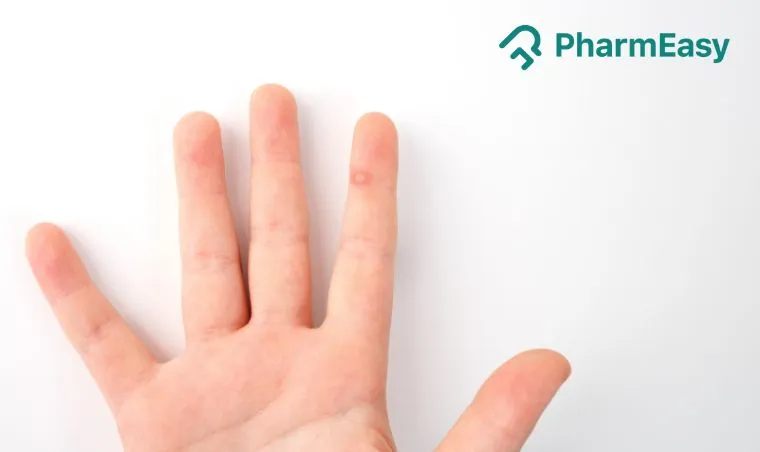
Gentle At-Home Solutions for Wart Management: Safe & Effective Approaches
Meena, 45, a homemaker from Jaipur, noticed a small, persistent bump on her finger that seemed to be growing. Initially dismissing it, she soon realised it was a common skin affliction caused by the Human Papillomavirus (HPV).
Like many Indians, Meena was hesitant about visiting a doctor for what seemed like a minor issue and began searching for accessible home solutions. Have you ever wondered why these skin growths appear and how they propagate?
These skin lesions are benign (non-cancerous) growths that can appear anywhere on the body, though they are most prevalent on the hands and feet. They are caused by different strains of HPV, which infect the top layer of the skin, inducing rapid proliferation.
The reality is, these infections thrive in warm, moist environments and can spread through direct skin-to-skin contact or by touching contaminated surfaces. Consider it this way: a shared gym locker room or even walking barefoot in public places can be breeding grounds for HPV.
That alone changes everything.
While clinical treatments like cryotherapy (freezing), salicylic acid applications, and laser therapy are available at clinics and hospitals, many individuals seek simpler, more natural approaches first. Worth noting: statistics indicate that while these growths are generally harmless, they can be cosmetically bothersome and sometimes painful, particularly plantar growths on the soles of the feet.
Over 70% of people will contract HPV at some point in their lives, and while many infections clear on their own, these lesions can persist for months or even years without intervention.
Understanding Skin Growths: Causes and Types
Understanding the nature of these skin elevations is the first step towards proven management. The virus enters the skin through tiny cuts or abrasions. Different HPV types cause different kinds of these growths:
- Typical Growths: Often found on fingers, knees, and elbows, they are typically rough and raised.
- Plantar Growths: These appear on the soles of the feet and can be painful due to the pressure of walking. They often have small black dots (clotted blood vessels).
- Flat Growths: Smaller and smoother, they tend to grow in clusters and can appear on the face, arms, and legs.
- Filiform Growths: These are long, thread-like lesions that usually grow around the face, neck, and eyelids.
Practically speaking, identifying the type of skin growth can sometimes guide the choice of home solution, though general principles of viral disruption and skin exfoliation are applicable across the board.
Natural Home Solutions for Wart Management
Numerous home solutions have been passed down through generations in India, often leveraging readily available ingredients. While scientific evidence for some of these is anecdotal, many people find success with them, especially for smaller, newer lesions. Remember, consistency is key.
That's the part worth remembering.
1. Apple Cider Vinegar (ACV)
Apple cider vinegar is perhaps the most popular home solution for these skin issues. Its acetic acid content is believed to possess antiviral and exfoliating properties. The idea is that the acid helps to break down the lesion tissue, allowing the body's immune system to clear the virus.
How to use: Soak a small piece of cotton ball in ACV, place it directly on the lesion, and secure it with a bandage. Leave it on overnight. Repeat nightly until the lesion disappears. You might experience mild stinging or burning; this is normal. Over 90 million people worldwide have tried ACV for various ailments, highlighting its widespread use.
2. Garlic
Garlic contains allicin, a compound known for its potent antiviral and antimicrobial properties. Many believe it can help combat the HPV virus directly.
How to use: Crush a clove of garlic and apply it to the lesion. Cover with a bandage and leave it overnight. Rinse in the morning. This method can be quite strong-smelling and may cause skin irritation, so test on a small area first. Some studies suggest allicin can inhibit viral replication, though direct evidence for lesion resolution is limited.
3. Tea Tree Oil
Essential oils, particularly tea tree oil, have gained traction for their antiseptic and antiviral qualities. Its direct application is thought to irritate and degrade the lesion tissue.
How to use: Dilute tea tree oil with a carrier oil (like coconut or olive oil) – a 1:1 ratio is a good starting point. Apply a small amount to the lesion a few times a day. Be cautious, as undiluted tea tree oil can cause skin reactions. It's crucial to use it consistently for several weeks. Globally, the essential oil market is booming, with natural solutions like tea tree oil seeing increased consumer interest.
4. Duct Tape Occlusion
This method involves covering the lesion with duct tape. The exact mechanism isn't fully understood, but it's theorised that the constant occlusion irritates the lesion, prompting an immune response.
How to use: Cut a piece of duct tape slightly larger than the lesion and apply it. Leave it on for six days. Then, remove the tape, soak the area in water, and gently file away the dead skin with a pumice stone or emery board. Leave the lesion uncovered overnight, and reapply the tape the next morning. Repeat this cycle for up to two months. While studies have yielded mixed results, some research published in journals like the Archives of Pediatrics & Adolescent Medicine indicated potential effectiveness.
5. Lemon Juice
The citric acid in lemon juice can act as a natural exfoliant and may possess antiviral properties, similar to ACV. Think about it this way: it's a gentler acidic approach.
How to use: Apply fresh lemon juice directly to the lesion several times a day. You can also soak a cotton ball in lemon juice and leave it on the lesion overnight with a bandage. The scent is also quite refreshing, a welcome change from garlic!
6. Banana Peel
This might sound unusual, but rubbing the inside of a banana peel on the lesion is a popular folk remedy. The enzymes and potassium in the peel are thought to aid break down the growth.
How to use: Cut a piece of banana peel and tape it over the lesion, with the inside of the peel facing the skin. Leave it on overnight and repeat daily. This is a completely painless method, making it attractive for children or those with sensitive skin.
7. Potato Slice
Raw potato is another mild option. Its starchy composition and mild acidity are believed to enable dry out and eventually resolve the lesion.
How to use: Rub a slice of raw potato on the lesion, or tape a thin slice over it overnight. Repeat daily. This is a very gentle approach, suitable for even the most sensitive skin areas.
Important Considerations and When to Seek Professional Guidance
While these home solutions can be proven, it's crucial to approach them with caution. The reality is, not all lesions respond to home treatments, and some can be stubborn. The Indian Council of Medical Research (ICMR) reports that skin infections are prevalent, and while these growths are usually benign, certain types can be concerning.
So what does that mean for you? Always perform a patch test before applying any new substance to your skin to check for allergic reactions or irritation. Avoid picking or scratching at these growths, as this can spread the virus to other parts of your body or to other people. Remember that consistency and patience are vital; most home solutions take weeks or even months to show significant results. Over 10% of dermatological consultations in India relate to typical skin lesions like these.
You should consult a qualified physician or dermatologist in the following situations:
- The lesion is painful, bleeding, or changing in appearance.
- You have multiple lesions or they are spreading rapidly.
- The lesion is located on your face, genitals, or another sensitive area.
- You have a weakened immune system (e.g., due to HIV/AIDS or immunosuppressant medication).
- Home treatments have failed after several weeks of consistent application.
- You are unsure if the growth is actually a lesion and not a more serious skin condition.
Institutions like the All India Institute of Medical Sciences (AIIMS) emphasize that while many skin conditions are manageable, professional diagnosis is essential for persistent or concerning lesions. The World Health Organization (WHO) also highlights the importance of seeking professional advice for any persistent health concerns.
Cultural Context and Wart Management in India
In India, traditional practices often intertwine with modern medicine. During festivals like Diwali, dietary habits change, but the search for natural solutions remains constant. Many families share remedies passed down through grandmothers (dadis and nanis).
The numbers don't lie.
Floor sitting, frequent in many Indian households, can increase the risk of skin-to-skin contact in shared spaces, making hygiene paramount. The accessibility and affordability of ingredients like garlic, lemon, and ACV make these home solutions particularly popular across diverse socioeconomic strata.
The International Diabetes Federation (IDF) notes that diabetes can sometimes affect skin health, and individuals with diabetes should be particularly cautious with any skin abrasions or infections, including these growths, and consult their doctor before attempting home resolution. The Lancet has published numerous studies on viral infections and dermatological treatments, underscoring the global effort to understand and combat such conditions.
Key Takeaways
- These skin growths are caused by the Human Papillomavirus (HPV) and can spread through direct contact or contaminated surfaces.
- Popular home solutions include apple cider vinegar, garlic, tea tree oil, duct tape, lemon juice, banana peel, and potato slices, leveraging antiviral and exfoliating properties.
- Consistency and patience are crucial for home lesion resolution, often requiring several weeks to months of treatment.
- Always perform a patch test for new solutions and avoid picking at lesions to prevent spreading.
- Seek professional medical advice if lesions are painful, bleeding, spreading rapidly, on sensitive areas, or if home treatments fail.
Always consult a qualified physician before making any clinical decisions.