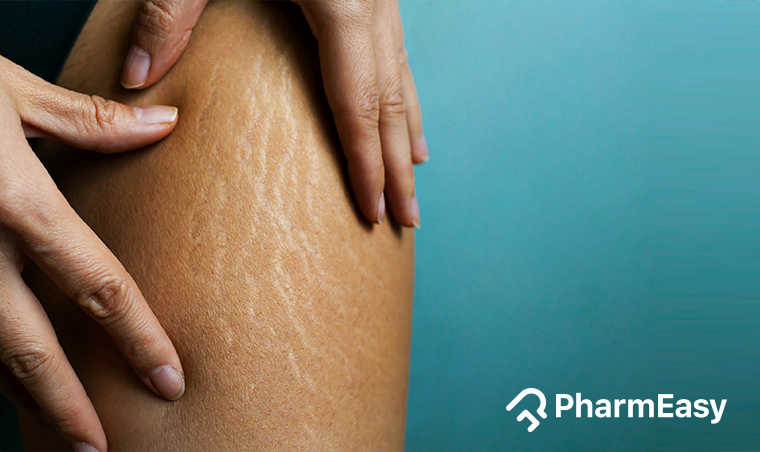
Natural Home Remedies for Stretch Marks: A Doctor's Perspective
Meena, 45, a homemaker from Jaipur, noticed faint, silvery lines appearing on her abdomen after her second child. Initially, she dismissed them, but as they became more prominent, she felt a pang of self-consciousness, especially during the festive season when she’d wear traditional sarees.
Like many Indian women, Meena sought solutions that were gentle, accessible, and ideally, rooted in nature. Her journey led her to explore various home remedies, a path many women tread when dealing with the common skin concern of these lines.
Stretch marks, medically known as striae distensae, are a form of scarring on the skin with an irregular width, often with a different colour and texture from the surrounding skin. They commonly occur during periods of rapid skin distension, such as pregnancy, significant gain or loss of body mass, and adolescent growth spurts. In India, where cultural emphasis on external presentation can be strong, these lines can sometimes impact body confidence.
The reality is, these marks are incredibly prevalent; an estimated 80% of pregnant women develop them. So what does that mean for you? It means you are not alone, and effective management strategies exist.
That alone changes everything.
Understanding Stretch Marks: The Science Behind the Lines
But why does this happen? Stretch marks form when the middle layer of skin (dermis) is stretched beyond its limit. This causes the collagen and elastin fibres—the proteins that keep skin firm and supple—to tear.
Initially, these tears may appear as reddish or purplish lines (striae rubra) because of the underlying blood vessels. Over time, as the skin heals, the blood vessels constrict, and the marks fade to a silvery or white colour (striae alba), reflecting less blood flow and a change in scar tissue composition.
Factors influencing their development include genetics, hormonal changes (particularly the increased cortisol levels during pregnancy), and the rate and extent of skin distension. Cortisol, a steroid hormone, can decrease the skin's suppleness, making it more susceptible to tearing.
The skin’s ability to repair itself also makes a real difference in how noticeable the stretch marks eventually become. In many cases, genetics predisposes individuals to developing these marks, meaning some people are simply more prone to them than others, regardless of preventative measures.
Recovery is rarely linear.
widespread Causes of Stretch Marks
- Pregnancy: The abdomen, breasts, and thighs are usual areas.
- Body Mass Fluctuations: Rapid gain or loss of body mass can distend the skin.
- Adolescent Growth Spurts: Particularly during puberty.
- Muscle Building: marked and rapid increase in muscle mass.
- Medical Conditions: Such as Cushing's syndrome or Ehlers-Danlos syndrome.
Natural Remedies: Harnessing Nature's Healing Power
While complete elimination of mature stretch marks can be challenging, several natural ingredients and practices can help improve their appearance, reduce redness, and promote skin regeneration. These remedies often focus on moisturising, improving skin suppleness, and providing essential nutrients.
Worth knowing: consistency is key when using any topical treatment for stretch marks.
1. Cocoa Butter and Shea Butter
These emollients are staples in many Indian households, especially during colder months. Both cocoa butter and shea butter are rich in fatty acids and vitamins that deeply moisturise the skin, improving its suppleness and potentially aiding in the healing of damaged fibres. Their humectant properties assist retain moisture, which is crucial for skin suppleness.
Applying these butters regularly to the affected areas can support soften the appearance of stretch marks and prevent new ones from forming during periods of distension. A study published in the 'Journal of Cosmetic Dermatology' indicated that formulations containing cocoa butter showed promise in improving skin suppleness and reducing the severity of stretch marks, though results can vary significantly between individuals.
2. Aloe Vera
The gel from the aloe vera plant is renowned for its soothing and healing properties. It contains compounds like polysaccharides and antioxidants that promote skin regeneration and reduce inflammation. Applying pure aloe vera gel directly to stretch marks can benefit calm the skin, reduce redness, and potentially accelerate the healing process.
Here's where it gets interesting.
Its hydrating nature also contributes to improved skin texture. For generations, traditional Ayurvedic practices have lauded aloe vera for its dermatological benefits. Many find applying it post-shower, when the skin is still slightly damp, enhances absorption.
3. Coconut Oil
Coconut oil is a potent moisturiser brimming with medium-chain fatty acids. Its ability to penetrate the skin deeply makes it an excellent candidate for improving skin hydration and suppleness. Regular massage with coconut oil can benefit enhance blood circulation to the area, which may aid in tissue repair.
While scientific evidence specifically for stretch mark reduction is limited, its emollient qualities are well-established. The 'International Journal of Cosmetic Science' has published research highlighting the skin barrier-enhancing properties of certain oils, including coconut oil, when used consistently.
4. Vitamin E Oil
Vitamin E is a powerful antioxidant that protects the skin from oxidative damage and plays a vital role in skin repair. Applying vitamin E oil directly to stretch marks, or incorporating it into a carrier oil like almond or olive oil, can support nourish the skin and potentially enhance the appearance of scars.
That's the part worth remembering.
Some research suggests that topical vitamin E may aid reduce inflammation and promote healing, although robust clinical trials specifically on stretch marks are still needed. What most people miss: it's best to use vitamin E oil in the evening as it can be quite rich and sometimes leave a residue.
5. Sugar Scrub
A gentle sugar scrub can support exfoliate the skin, removing dead skin cells and revealing newer, healthier skin underneath. Using fine sugar granules mixed with a moisturising oil (like almond oil or olive oil) and a few drops of lemon juice (a natural bleaching agent, use with caution) can be massaged onto stretch marks. The exfoliation can optimise skin texture and potentially make the marks less noticeable over time.
It's crucial to be gentle to avoid further irritation. This practice aligns with traditional beauty rituals observed during various Indian festivals, where exfoliation is often part of skin preparation.
6. Potato Juice
Potatoes contain vitamins and minerals that are thought to aid in skin cell regeneration. Grated potato or potato juice applied to stretch marks may support strengthen their appearance. The starch and enzymes in potatoes are believed to promote healing and restore skin vitality.
This is where most patients struggle.
While anecdotal evidence abounds, rigorous scientific backing is minimal. However, its simple, natural composition makes it a low-risk option for many.
Lifestyle and Dietary Considerations
Beyond topical applications, addressing stretch marks involves a holistic approach that includes diet and lifestyle adjustments. Maintaining a stable body mass, staying hydrated, and consuming a nutrient-rich diet are fundamental for skin vitality.
Over 101 million Indians have diabetes (ICMR, 2023), highlighting the importance of dietary management for overall well-being, which indirectly impacts skin condition.
Hydration is Key
Drinking adequate water is essential for maintaining skin suppleness and promoting healing. Dehydrated skin is less resilient and more prone to damage. Aim for at least 8-10 glasses of water daily. This simple habit can make a meaningful difference in your skin's overall vitality and look.
Nutrient-Rich Diet
A diet rich in vitamins C and E, zinc, and protein supports skin vitality and repair. Vitamin C is crucial for collagen production, while vitamin E acts as an antioxidant.
Foods like citrus fruits, berries, nuts, seeds, leafy greens, and lean proteins should be regular components of your diet. Incorporating foods rich in omega-3 fatty acids, found in fish like salmon and mackerel, can also support maintain skin's suppleness.
Body Mass Management
Sudden and considerable fluctuations in body mass are primary culprits behind stretch marks. Maintaining a stable body mass through a balanced diet and regular exercise is one of the most powerful ways to prevent their formation and worsening.
This is where most people struggle.
Gradual loss of body mass, if needed, is always preferable to rapid shedding, as it gives the skin more time to adapt.
When to Seek Professional assist
While home remedies can be beneficial for improving the appearance of mild to moderate stretch marks, severe or persistent cases may require medical intervention. Dermatologists offer treatments like topical retinoids (prescription-strength), microdermabrasion, laser therapy, and microneedling. These procedures, often performed at leading institutions like AIIMS or Apollo Hospitals, can be highly proven in reducing the visibility of stretch marks.
The World Health Organization (WHO) also emphasizes evidence-based treatments for dermatological conditions. Laser therapy, for instance, works by stimulating collagen production and breaking down scar tissue. A consultation with a dermatologist can support determine the most suitable intervention plan for your specific needs.
It is essential to understand that stretch marks are a normal physiological response for many people. They do not indicate any underlying concern.
However, if you experience sudden, widespread stretch marks without an obvious cause, it might be worth consulting a doctor to rule out any hormonal imbalances or medical conditions. The International Diabetes Federation (IDF) reports rising obesity rates globally, which correlates with increased instances of conditions leading to stretch marks.
Key Takeaways
- Stretch marks are frequent scars resulting from rapid skin distension, affecting up to 80% of pregnant women.
- Natural remedies like cocoa butter, aloe vera, and coconut oil can support moisturise and boost skin suppleness.
- A nutrient-rich diet (Vitamins C, E, Zinc) and adequate hydration are crucial for skin vitality and repair.
- Maintaining a stable body mass is vital for preventing and managing stretch marks.
- For persistent or severe marks, consult a dermatologist for advanced therapy options like laser therapy.
Always consult a qualified physician before making any medical decisions.