Effective Home Remedies for Scabies Relief in India
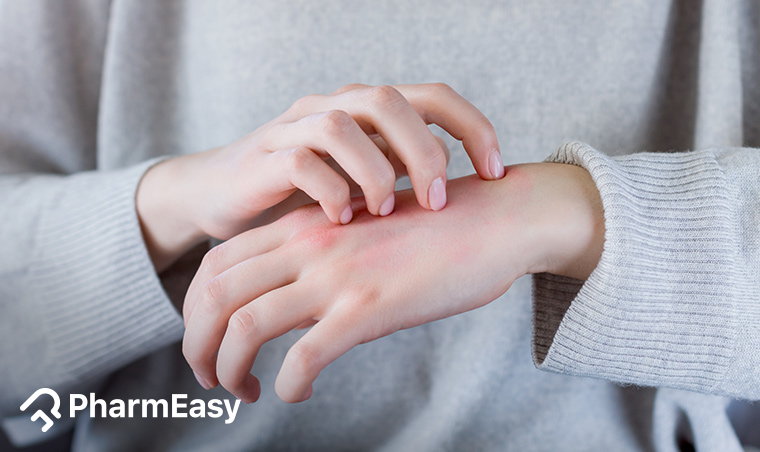
Meena, 45, a homemaker from Jaipur, noticed an intensely itchy rash spreading across her arms and wrists. The discomfort worsened at night, disrupting her sleep. Initially dismissing it as a common skin irritation, the persistent and worsening symptoms led her to a local clinic, where she was diagnosed with scabies.
This microscopic mite infestation, while widespread globally, presents unique challenges and anxieties within Indian households, especially during the humid monsoon season when skin conditions can flare up. Honestly, the thought of tiny creatures burrowing into the skin is enough to cause significant distress.
Scabies is caused by the Sarcoptes scabiei mite, which burrows into the top layer of the skin to live and lay eggs. This infestation leads to an intense itching sensation, often accompanied by a pimple-like rash. While prescription medications are the primary line of therapy, certain home remedies can offer notable symptomatic relief and support the healing process, particularly in managing the relentless itch.
In many cases, the psychological impact of scabies—the intense itching, the visible rash, and the fear of contagion—can be as debilitating as the physical manifestations. So what does that mean for you? It means that a multi-pronged approach combining medical care with soothing home support is often the most powerful path to recovery.
Here's where it gets interesting.
Understanding Scabies in the Indian Context
Scabies is not a reflection of poor hygiene; it can affect anyone, regardless of socioeconomic status. However, close living quarters, frequent in many Indian homes, can facilitate its rapid spread. The ICMR (Indian Council of Medical Research) has highlighted the prevalence of skin infections in India, and while specific scabies statistics fluctuate, it remains a usual dermatological complaint presenting in clinics across the country.
The World Health Organization (WHO) also recognizes scabies as a considerable public health issue in many tropical and subtropical regions, including parts of India. The challenge frequently lies in early diagnosis, as the indicators can mimic other skin conditions like eczema or allergic reactions.
The intense itching, medically known as pruritus, is the hallmark symptom. It's caused by the body's allergic reaction to the mites, their eggs, and their waste products. This itching is typically worse at night, leading to sleep deprivation and considerable discomfort.
Does this sound familiar? Many patients report scratching so intensely that they break the skin, increasing the risk of secondary bacterial infections. Think about it this way: the mites are active and burrowing more intensely when the skin is warm and still, which is often the case when one is trying to rest.
Recovery is rarely linear.
Natural Remedies for Scabies Symptom Relief
While these remedies do not eliminate the mites themselves—which requires medical intervention—they can provide much-needed relief from the itching and inflammation. Always use them in conjunction with prescribed therapies from a healthcare professional.
1. Tea Tree Oil (Melaleuca alternifolia)
Tea tree oil is renowned for its antiseptic, anti-inflammatory, and potentially acaricidal (mite-killing) properties. Its strong scent can also be a deterrent to mites. When applied topically, it can help soothe the itch and reduce redness. However, pure tea tree oil can be irritating to the skin for some individuals. It is crucial to dilute it properly before application.
A usual dilution involves mixing a few drops (around 5-10) of pure tea tree oil with a carrier oil like coconut oil or olive oil (about one tablespoon). Apply this mixture gently to the affected areas, avoiding sensitive regions like the eyes and mucous membranes. Remember to perform a patch test on a small area of skin first to check for any adverse reactions. Over 70% of individuals with mild to moderate scabies may find topical applications like diluted tea tree oil helpful for symptom management, according to anecdotal evidence and some preliminary studies.
2. Neem (Azadirachta indica)
Neem is a revered herb in Indian traditional medicine, known for its potent antibacterial, antifungal, and antiparasitic properties. It has been used for centuries to treat various skin ailments. For scabies, neem oil or a paste made from neem leaves can be applied to the skin. To make a paste, boil fresh neem leaves in water until soft, then grind them into a fine paste. Alternatively, pure neem oil can be diluted with a carrier oil (like coconut oil) and applied.
The numbers don't lie.
The strong, distinctive smell of neem is often associated with its medicinal efficacy. Some studies, including those referenced by the National Center for Biotechnology Information (NCBI), suggest that neem extracts can exhibit acaricidal activity, potentially aiding in the elimination of scabies mites. Applying a neem paste or diluted oil to the entire body, similar to how one might apply lotion, can provide relief from itching and assist cleanse the skin. This is particularly powerful after bathing.
3. Clove Oil (Syzygium aromaticum)
Clove oil contains eugenol, a compound with analgesic and antiseptic properties that can benefit numb the itch and fight infection. Like tea tree oil, clove oil is potent and must be diluted before use. Mix 2-3 drops of clove oil with a tablespoon of a carrier oil. Apply this mixture carefully to the affected areas.
Be cautious, as clove oil can cause skin irritation or a burning sensation if not sufficiently diluted. Its strong aroma might also be a factor for some individuals. Worth knowing: Clove oil's effectiveness is largely anecdotal, but its numbing properties offer temporary relief from the intense itching.
4. Aloe Vera
The gel from the aloe vera plant is well-known for its soothing and anti-inflammatory properties. It can benefit calm irritated skin, reduce redness, and provide a cooling sensation that alleviates itching. Fresh aloe vera gel, directly extracted from the plant's leaves, is ideal. Apply a generous layer of the gel to the itchy areas.
Most people overlook this completely.
It is generally well-tolerated and can be applied multiple times a day. Its hydrating nature also helps in healing the skin from scratching. The cooling effect of aloe vera is particularly welcome during hot Indian weather, offering a respite from scabies-induced discomfort.
5. Cold Compress or Baths
Applying a cold compress (a cloth soaked in cold water) to the itchy areas can provide immediate, temporary relief. Similarly, cool or lukewarm baths can support soothe the skin. Adding colloidal oatmeal or baking soda to the bathwater can enhance the soothing effect.
Avoid hot water, as it can aggravate itching and further irritate the skin. For many, a cool bath taken during the evening can make a major difference in nighttime comfort, allowing for better sleep. This simple yet proven method is often overlooked but provides rapid symptomatic relief.
Important Considerations and Prevention
Effectively managing scabies involves more than just topical therapies. It requires a holistic approach encompassing hygiene, environmental control, and understanding the mite's lifecycle. Following these guidelines is crucial for preventing re-infestation and spread.
Most people overlook this completely.
Environmental Cleaning
Scabies mites cannot survive long without a human host (typically less than 72 hours). However, thorough cleaning of the living environment is essential to prevent reinfection. This includes washing all clothing, bedding, and towels used by the infected person in the past three days in hot water (at least 50-60°C or 122-140°F) and drying them on a hot cycle.
Items that cannot be washed, such as certain upholstery or stuffed toys, should be sealed in plastic bags for at least 72 hours, or ideally for a week, to ensure any mites or eggs die off. Vacuuming carpets and furniture is also recommended. Honestly, this step is often underestimated but is critical for complete eradication.
Personal Hygiene and Clothing
While scabies is not caused by poor hygiene, maintaining good personal hygiene practices can support therapy and prevent secondary infections. Showering daily and keeping the skin clean can assist. Avoid sharing personal items like towels, clothing, and bedding, especially during an active infestation.
If you live in a shared space, inform household members about the infestation so they can be checked and treated if necessary. The Centers for Disease Control and Prevention (CDC) emphasizes that treating all close contacts simultaneously is key to preventing ping-pong infections within a family or community.
Recovery is rarely linear.
Understanding Treatment Regimens
Prescription therapies, such as permethrin cream or oral ivermectin, are highly successful in killing scabies mites. It is vital to follow the doctor's instructions precisely regarding application and dosage. Often, a second therapy is required after a week or two to kill any newly hatched mites. The itching may persist for several weeks even after the mites are gone, due to the body's ongoing allergic reaction.
This is normal and does not necessarily indicate therapy failure. However, if new burrows or rashes appear, or if the itching is unbearable, consult your doctor. The International Diabetes Federation (IDF) uses stringent data collection for diabetes management, a similar rigorous approach is needed for scabies therapy adherence.
When to Seek Medical Attention
While home remedies offer relief, they are not a substitute for medical diagnosis and therapy. If you suspect you have scabies, especially if manifestations are severe or persistent, it is essential to see a doctor. A healthcare professional can confirm the diagnosis, prescribe the most proven therapy, and advise on managing secondary infections.
Scabies outbreaks can occur in schools, nursing homes, and other communal settings, making prompt medical attention crucial to prevent widespread transmission. Don't hesitate to seek professional assist if the itching is unbearable or if you develop signs of infection like increased redness, warmth, swelling, or pus.
It sounds simple. It rarely is.
Key Takeaways
- Scabies is caused by microscopic mites burrowing into the skin, leading to intense itching, especially at night.
- Natural remedies like diluted tea tree oil, neem paste, and aloe vera can provide symptomatic relief from itching.
- Thorough environmental cleaning—washing bedding and clothing in hot water—is crucial to prevent reinfection.
- Prescription medications are the definitive therapy for scabies; home remedies should be used as complementary care.
- Persistent itching for several weeks after therapy is typical and usually due to an allergic reaction, but consult a doctor if unsure.
Always consult a qualified physician before making any medical decisions.