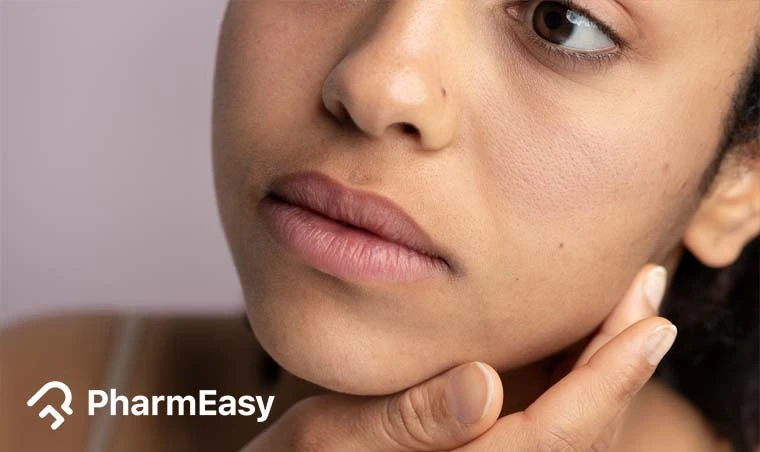
Understanding Varied Skin Colour: A Common Concern
Meena, 45, a homemaker from Jaipur, noticed darker patches on her cheeks and forehead that seemed to intensify with each passing monsoon season. She wasn't alone; varied skin colour, characterised by differences in skin hue, darker marks, and patches, is a widespread dermatological issue affecting millions across India. This condition, frequently referred to as increased pigmentation, can significantly impact self-assurance.
Honestly, grasping its origins is the initial step toward achieving a more consistent complexion. What should you actually do?
What Causes Varied Skin Colour?
1. Sun Exposure (Photoaging)
The sun is a primary culprit. Ultraviolet (UV) radiation stimulates melanocytes, the cells responsible for producing melanin, the pigment that gives skin its colour. Increased melanin production leads to localised darkening, commonly known as sun marks or age marks.
Over time, cumulative sun exposure can result in a generally mottled and uneven skin tone. In many instances, even fair-skinned individuals can develop these blemishes. It's estimated that approximately 90% of visible skin aging is caused by sun exposure, according to dermatological studies.
2. Post-Inflammatory Hyperpigmentation (PIH)
Acne, eczema, psoriasis, and even minor injuries can leave behind darker marks after the initial inflammation subsides. This is PIH. The skin, in its healing process, produces excess melanin in the affected area.
The numbers don't lie.
For individuals prone to acne, a frequent issue, especially during humid weather, PIH can be a persistent problem. PIH can affect all skin types but is frequently more apparent and longer-lasting in darker skin tones.
3. Melasma
Melasma presents as larger, diffused patches of increased pigmentation, typically on the face – forehead, cheeks, upper lip, and chin. It's particularly prevalent in women and is strongly linked to hormonal shifts. Pregnancy (frequently called the "mask of pregnancy") and the use of oral contraceptives are significant triggers.
Genetics also plays a role; if your mother or sister has melasma, your risk increases. The Indian Council of Medical Research (ICMR) has noted its high occurrence in certain demographics. Sunlight exacerbates melasma considerably.
4. Hormonal Changes
Beyond melasma, other hormonal shifts can influence skin pigmentation. Fluctuations during puberty, menstruation, and menopause can sometimes lead to temporary or lasting changes in skin tone. The endocrine system's influence on melanin production is profound and not fully understood, but its impact is undeniable.
This is where most patients struggle.
5. Certain Medical Conditions and Medications
While less prevalent, certain underlying medical conditions like Addison's disease can cause generalised skin darkening. Additionally, some medications, including certain antimalarials and chemotherapy drugs, can have pigmentation changes as a side effect.
It's always wise to discuss any new skin discolouration with your doctor, especially if you've started new medication.
6. Age
As we age, our skin's ability to regenerate slows down. Accumulated sun damage and natural changes in melanocyte activity can lead to the appearance of age marks and a less uniform complexion. By the age of 60, most individuals will have some degree of sun damage manifesting as varied pigmentation.
Home Remedies for Varied Skin Colour
While professional interventions offer quicker and more noticeable results, several natural ingredients can help improve mild cases of varied skin colour. Worth knowing: consistency is key with these remedies.
1. Lemon Juice
Lemon juice contains citric acid, a natural alpha-hydroxy acid (AHA), which has mild lightening properties. Dilute fresh lemon juice with water (1:1 ratio) and apply it to the darker marks using a cotton ball. Leave it on for 10-15 minutes, then rinse thoroughly.
Here's where it gets interesting.
Follow up with a moisturiser, as lemon juice can be drying. Use this remedy only in the evening and always apply sunscreen the next day, as it increases photosensitivity. Overuse can cause irritation.
2. Turmeric
Turmeric (haldi) is a revered ingredient in Indian households, frequently used in face packs during festivals like Diwali. Its active compound, curcumin, possesses anti-inflammatory and antioxidant properties that can enable lighten darker marks and optimise skin radiance. Mix a teaspoon of turmeric powder with a tablespoon of gram flour (besan) and enough yogurt or milk to form a paste.
Apply to the face, leave for 15-20 minutes, and then rinse off gently. This pack also aids in exfoliation.
3. Yogurt and Honey
Yogurt contains lactic acid, another AHA that gently exfoliates the skin, removing dead skin cells and revealing brighter skin underneath. Honey is a natural humectant and has antimicrobial properties. Mix plain yogurt with a teaspoon of honey and apply as a mask.
Leave it on for 20 minutes before rinsing. This combination is hydrating and soothing, making it suitable even for sensitive skin types.
4. Papaya
The enzymes in papaya, particularly papain, benefit in exfoliating the skin and breaking down dead skin cells and melanin. Mash a ripe papaya and apply it directly to the face. Leave it on for 15-20 minutes and then wash it off.
Most people overlook this completely.
Regular application can gradually lighten darker marks and elevate skin texture. The IDF (International Diabetes Federation) highlights the importance of a balanced diet, and while fruits are healthy, moderation is always advised.
5. Aloe Vera
Known for its soothing and healing properties, aloe vera also contains aloin, a compound that may aid lighten increased pigmentation. Apply fresh aloe vera gel directly from the plant (or a pure store-bought gel) to the affected areas.
Leave it on for 30 minutes or overnight before rinsing. It's particularly beneficial for PIH caused by acne or sun exposure.
When Home Remedies Aren't Enough: Professional Interventions
For more stubborn or widespread varied skin colour, consulting a dermatologist is essential. Modern dermatology offers a range of effective interventions. So what does that mean for you?
1. Topical Interventions
Prescription creams and serums frequently contain potent ingredients. Hydroquinone (though its use is regulated), retinoids (like tretinoin), azelaic acid, kojic acid, and vitamin C are commonly prescribed.
These work by inhibiting melanin production, increasing cell turnover, or providing antioxidant benefits. The AIIMS (All India Institute of Medical Sciences) Department of Dermatology frequently recommends these as first-line interventions for various pigmentation disorders.
That alone changes everything.
2. Chemical Peels
Chemical peels use acids (like glycolic acid, salicylic acid, or trichloroacetic acid - TCA) to exfoliate the outer layers of the skin. This process removes pigmented cells and stimulates the growth of new, evenly toned skin.
The depth of the peel can be adjusted based on the severity of the pigmentation and skin type. Multiple sessions are usually required for optimal results.
3. Laser Therapy
Advanced laser interventions, such as Intense Pulsed Light (IPL) or specific pigment-targeting lasers, can effectively break down excess melanin. These lasers are precisely targeted to the pigmented areas, minimising damage to surrounding skin.
Different lasers are suited for different types of pigmentation and skin tones. The effectiveness and safety of laser interventions are well-documented in journals like The Lancet.
4. Microdermabrasion
This minimally invasive procedure exfoliates the skin using a device that sprays fine crystals onto the skin or uses a diamond-tipped wand, followed by suction to remove the exfoliated skin cells. It helps to boost skin texture and reduce the appearance of superficial increased pigmentation.
It's frequently used for milder forms of varied skin colour.
5. Microneedling
Microneedling creates tiny micro-injuries in the skin using fine needles, which triggers the body's natural healing response. This process can benefit break down pigment and stimulate collagen production, leading to improved skin tone and texture. It is frequently combined with topical interventions for enhanced results.
That's the part worth remembering.
Preventing Varied Skin Colour
Prevention is always better than cure. Protecting your skin from the primary causes is crucial for maintaining an even complexion.
1. Sun Protection is Paramount
This cannot be stressed enough. Daily use of a broad-spectrum sunscreen with an SPF of 30 or higher is non-negotiable, even on cloudy days or when indoors near windows. Reapply every two hours when outdoors.
Wearing protective clothing, hats, and sunglasses further shields your skin. Over 101 million Indians have diabetes (ICMR, 2023), highlighting the importance of proactive health management; similarly, proactive sun protection is vital for skin health.
2. Gentle Skincare Practices
Avoid harsh scrubbing or picking at blemishes, as this can worsen inflammation and lead to PIH. Use a gentle cleanser and moisturiser suitable for your skin type.
Introducing new skincare products one at a time allows you to identify any potential irritants. Remember that floor sitting, prevalent in Indian homes, can expose legs to prolonged sun if not adequately covered.
3. Address Underlying Issues
If acne or other inflammatory skin conditions are contributing to your varied skin colour, seek appropriate intervention from a dermatologist. Managing these conditions effectively will aid prevent future increased pigmentation.
The numbers don't lie.
4. Be Mindful of Hormonal Changes
If you suspect hormonal factors are playing a major role, discuss this with your doctor. They can enable identify any underlying issues and recommend appropriate management strategies, which might include lifestyle changes or medical interventions.
Conclusion: Embracing a Brighter, Even Complexion
Achieving an even skin tone is a journey, not a destination. It requires patience, consistency, and a tailored approach. Whether you opt for natural home remedies or seek professional dermatological intervention, understanding the cause of your varied skin colour is the most critical first step.
With the right knowledge and care, a radiant and uniform complexion is well within reach. Remember, skin health is integral to overall well-being.
Key Takeaways:
- Varied skin colour is primarily caused by sun exposure, post-inflammatory hyperpigmentation, melasma, and hormonal changes.
- Home remedies like lemon juice, turmeric, and papaya can offer mild improvement with consistent use.
- Professional interventions including topical agents, chemical peels, and laser therapy provide more considerable results for stubborn pigmentation.
- Daily, rigorous sun protection using SPF 30+ sunscreen is the most successful preventive measure.
- Consulting a dermatologist is crucial for accurate diagnosis and personalised intervention plans.
Always consult a qualified physician before making any medical decisions.