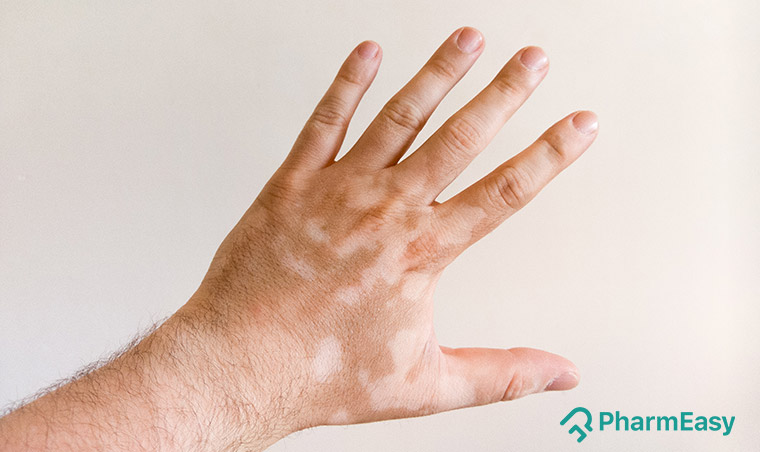
Understanding Pale Skin Markings: Causes, Symptoms, and Effective Management
Meena, 45, a homemaker from Jaipur, noticed a few small, pale spots on her arms after the monsoon season. Initially, she dismissed them, but as they slowly spread, a sense of unease crept in.
Like many in India, Meena’s initial reaction was to seek advice from family and local remedies, a common approach given the cultural inclination towards traditional healing methods.
Pale skin markings, medically termed hypopigmentation, can be a source of significant concern, affecting not just appearance but also self-esteem. These markings occur when the skin loses its natural pigment, melanin, leading to lighter areas that can vary in size and shape.
Honestly, understanding the underlying causes is the first crucial step towards proven management and treatment. What most people miss is that these markings are not always a sign of a serious condition, but they do warrant medical attention to rule out specific dermatological issues.
Frequent Causes of Pale Skin Markings
The appearance of pale skin markings can stem from a variety of conditions, ranging from benign to more complex dermatological issues. Have you ever wondered why?
The skin’s colour is determined by melanin, a pigment produced by specialised cells called melanocytes. When these cells are damaged, destroyed, or when melanin production is impaired, hypopigmentation occurs.
Vitiligo
Vitiligo is perhaps the most well-known cause of pale skin markings. It is a chronic autoimmune problem where the immune system mistakenly attacks and destroys melanocytes. This results in distinct, depigmented areas on the skin. Vitiligo can affect people of all skin types and ages, though it often becomes noticeable between the ages of 10 and 30.
That's the part worth remembering.
5% to 4% of the population, according to various studies. The areas can appear anywhere on the body, often symmetrically, and may enlarge over time. The exact cause of vitiligo is not fully understood, but genetic factors and environmental triggers are believed to play a role.
Fungal Infections
Certain fungal infections can also lead to discoloured skin areas. Tinea versicolor, a usual superficial fungal infection caused by a yeast called Malassezia, is a prime example. This yeast normally lives on the skin, but under certain conditions — such as warm, humid weather (prevalent during Indian monsoons) or excessive sweating — it can overgrow. This overgrowth disrupts melanin production, leading to small, scaly areas that can be lighter or darker than the surrounding skin.
These areas are often found on the torso, neck, and arms. In many cases, pityriasis alba, a mild, harmless skin situation primarily affecting children and adolescents, presents as slightly scaly, ill-defined, hypopigmented areas, particularly on the face and upper arms. It is often mistaken for early vitiligo but is typically self-limiting.
Eczema and Psoriasis
While eczema (atopic dermatitis) and psoriasis primarily manifest as red, inflamed skin, they can sometimes lead to post-inflammatory hypopigmentation. After an episode of severe inflammation subsides, the skin in the affected area may temporarily produce less melanin, resulting in lighter areas.
This is where most patients struggle.
These areas usually fade over months to years as the skin heals. The reality is, these are often temporary and resolve on their own, but persistent scratching can exacerbate the issue.
Other Causes
Several other less frequent conditions can cause pale skin markings. These include:
- Post-inflammatory hypopigmentation: Following injuries like burns, cuts, or skin infections.
- Genetic conditions: Such as albinism, a rare disorder characterised by a complete or partial absence of pigment in the skin, hair, and eyes.
- Nutritional deficiencies: Severe deficiencies in certain vitamins, like Vitamin B12, can sometimes affect skin pigmentation, though this is rare.
- Lentigo simplex: Small, benign pale spots that can appear on the skin.
It's crucial to differentiate these from conditions like melasma, which typically presents as brown or grey-brown areas, often on the face, and is frequent in women, especially during pregnancy or due to hormonal changes. The IDF (International Diabetes Federation) has also noted that individuals with diabetes might experience skin changes, though direct causation of pale skin markings is less frequent than other skin issues in diabetics.
indicators to Watch For
The primary symptom of any hypopigmentation disorder is the presence of lighter-than-normal skin areas. However, the accompanying manifestations can vary significantly depending on the cause.
- Vitiligo: Areas are typically well-defined, milk-white, and can appear on any part of the body, including mucous membranes and hair. They may be itchy before they appear.
- Fungal Infections (Tinea Versicolor): Areas are often slightly scaly, may be itchy, and can appear on the back, chest, and arms. They can sometimes turn pink or reddish before becoming lighter.
- Pityriasis Alba: Areas are usually found on the face and arms, are mildly scaly, and often appear during or after sun exposure, becoming more noticeable when the surrounding skin tans.
- Post-inflammatory Hypopigmentation: The pale areas appear in the location of a previous skin injury or inflammation.
What should you actually do? Paying close attention to the characteristics of the areas—their texture, location, spread, and any associated indicators like itching or scaling—is vital for diagnosis. Early detection and consultation with a dermatologist are key. Seek medical help promptly.
When to Seek Medical Advice
While some causes of pale skin markings are harmless and may resolve on their own, it is always advisable to consult a doctor, especially if the areas are:
- Spreading rapidly
- Causing major distress or self-consciousness
- Accompanied by itching, scaling, or pain
- Appearing on sensitive areas like the face or genitals
A dermatologist can perform a physical examination, and sometimes use tools like a Wood's lamp (which makes vitiligo areas fluoresce under UV light), or even a skin biopsy to determine the exact cause. Accurate diagnosis is essential because intervention strategies differ significantly.
For instance, treating a fungal infection requires antifungal medication, while vitiligo management focuses on repigmentation therapies or camouflage.
Home Remedies and Management Strategies
While professional medical advice is paramount, certain home remedies and lifestyle adjustments can support skin health and potentially aid in managing milder forms of hypopigmentation or supporting conventional treatments. Remember, these are supplementary and not replacements for medical care.
Sun Protection
Sun protection is crucial, especially for individuals with vitiligo or other forms of hypopigmentation. The depigmented skin lacks melanin, the natural protection against harmful UV radiation. This makes it highly susceptible to sunburn.
Here's where it gets interesting.
Consistent use of broad-spectrum sunscreen with an SPF of 30 or higher, wearing protective clothing, and seeking shade during peak sun hours are essential practices. This is particularly relevant in India, where intense sun exposure is frequent, especially during summer months and festivals like Holi, where skin can be exposed to harsh chemicals.
Diet and Nutrition
A balanced diet rich in vitamins and minerals supports overall skin health. While no specific diet can cure vitiligo, some anecdotal evidence suggests that foods rich in antioxidants, copper, zinc, and iron might be beneficial. Including plenty of fruits, vegetables, whole grains, and lean proteins is always a good strategy.
Some studies, like those published in The Lancet, have explored the role of certain nutrients in pigmentation disorders, though more research is needed. Ensuring adequate Vitamin D levels is also important, as it plays a role in skin health and immune function.
Topical Applications (with Caution)
Some natural ingredients have been traditionally used for skin conditions. For example, aloe vera gel is known for its soothing properties and may aid with skin regeneration. Turmeric, with its anti-inflammatory and antioxidant properties, is a staple in Indian households and is sometimes applied topically or consumed.
This is where most sufferers struggle.
However, it's vital to perform a patch test before applying any new substance to a larger area of skin to avoid allergic reactions. Over 101 million Indians have diabetes (ICMR, 2023), and while not directly linked to pale skin markings, managing overall health, including diet, is crucial for everyone. Applying certain oils, like coconut oil or olive oil, can benefit keep the skin moisturised, which is beneficial for conditions like pityriasis alba or post-inflammatory hypopigmentation.
Camouflage Techniques
For those significantly bothered by the cosmetic appearance of pale skin markings, particularly vitiligo, camouflage techniques can be very successful. These include using specialised concealers, skin makeup, or self-tanning lotions that match the surrounding skin tone.
This can significantly boost confidence and improve quality of life. Several institutions, including AIIMS, offer guidance on cosmetic camouflage options.
Prevention and Long-Term Outlook
Preventing pale skin markings often depends on the underlying cause. For conditions like pityriasis alba or post-inflammatory hypopigmentation, good skin care and avoiding excessive scratching can benefit. For vitiligo, prevention is not fully possible due to its autoimmune nature, but managing triggers and early intervention can support slow its progression. It's considerable to remember that many causes of pale skin markings, like pityriasis alba, are temporary.
Others, like vitiligo, require ongoing management. The long-term outlook varies greatly; some conditions resolve completely, while others may require lifelong management. Consistent follow-up with a healthcare provider is key to monitoring progress and adjusting care as needed.
That alone changes everything.
Key Takeaways:
- Pale skin markings (hypopigmentation) result from a loss of skin pigment (melanin).
- Frequent causes include vitiligo, fungal infections (like tinea versicolor), eczema, and post-inflammatory changes.
- Accurate diagnosis by a dermatologist is crucial as treatments vary significantly by cause.
- Sun protection is vital for affected skin, which is more prone to sunburn.
- While home remedies can offer support, they should not replace professional medical advice.
Always consult a qualified physician before making any medical decisions.