

Emergency & Help
24/7 Emergency & General Advisory
🚨 24/7 Medical Emergency
Non-Emergency Advisory
10:00 AM – 6:00 PM, Mon–Sat
For appointments & general queries.
24/7 Emergency & General Advisory
🚨 24/7 Medical Emergency
Non-Emergency Advisory
10:00 AM – 6:00 PM, Mon–Sat
For appointments & general queries.
Discover the transformative effects of walking 10,000 steps daily. Learn about weight loss, heart health, mental well-being, and more.

Meena, 45, a homemaker from Jaipur, noticed her energy levels dipping alarmingly. The typical household tasks felt more taxing, and a persistent ache in her knees was becoming a constant companion. Concerned, she decided to try a simple yet powerful habit: aiming for 10,000 paces daily.
This wasn't just about fitness; it was a personal quest for renewed vitality. Her journey, like that of millions across India, highlights the profound impact of consistent bodily movement.
The reality is, our modern lifestyles often tether us to desks and screens, leading to a sedentary existence. Globally, insufficient bodily movement affects nearly one in three adults, according to the World Health Organization (WHO). In India, the picture is similarly concerning, with rising rates of lifestyle diseases directly linked to inactivity.
But why does this happen? Our bodies are designed for movement, and prolonged sitting disrupts natural metabolic processes, contributing to a host of health issues. The simple act of putting one foot in front of the other, however, offers a potent antidote.
One of the most sought-after benefits of achieving a 10,000-pace goal is its effect on weight management. Moving the body is an excellent form of aerobic exercise that burns calories. When you consistently achieve 10,000 paces, you create a significant calorie deficit, especially when combined with a balanced diet. For instance, an average person burns approximately 300-500 calories by covering 10,000 paces, depending on their weight, speed, and terrain. Over time, this consistent expenditure can lead to noticeable weight loss. A study published in the Journal of the American Medical Association (JAMA) found that increasing daily paces was associated with lower body mass index (BMI) and reduced waist circumference.
Worth knowing: Integrating more movement into your day doesn't necessarily mean dedicating large chunks of time solely to exercise. Breaking it down throughout the day—a brisk stroll after meals, taking the stairs instead of the elevator, or even moving during phone calls—can all contribute.
This is where most patients struggle.
Honestly, finding opportunities for motion in everyday routines is key.
The benefits extend significantly to your heart. Regular movement strengthens the heart muscle, improves blood circulation, and helps manage blood pressure. The Indian Council of Medical Research (ICMR) has highlighted the alarming rise in cardiovascular diseases in India, with lifestyle factors playing a crucial role. Aiming for 10,000 paces daily can help mitigate these risks.
It improves cholesterol levels by increasing HDL (good cholesterol) and decreasing LDL (bad cholesterol). Consistent bodily engagement also helps prevent the hardening of arteries, a major contributor to heart attacks and strokes. The Lancet has published numerous studies underscoring the link between regular moderate-intensity exercise, like brisk movement, and reduced incidence of heart disease.
So what does that mean for you? It means a stronger, healthier heart capable of pumping blood more efficiently, leading to better overall well-being and potentially a longer lifespan.
The International Diabetes Federation (IDF) also notes that regular bodily engagement is vital in managing and preventing type 2 diabetes, a condition often intertwined with cardiovascular issues.
For individuals managing or at risk of type 2 diabetes, covering 10,000 paces can be a game-changer. Bodily engagement increases insulin sensitivity, allowing your body's cells to use glucose more effectively. This helps lower blood sugar levels.
Studies indicate that even a 30-minute brisk stroll can significantly improve post-meal glucose control. Moving after meals is particularly beneficial, helping to prevent sharp spikes in blood sugar. In many cases, this simple habit can reduce the need for medication or assist manage the disorder more effectively, complementing dietary changes and medical advice.
That's the part worth remembering.
The connection between bodily engagement and mental health is undeniable. Movement releases endorphins—natural mood boosters—that can alleviate symptoms of depression and anxiety. A 10,000-pace goal encourages regular motion, which can lead to reduced stress levels and improved sleep quality. The feeling of accomplishment after hitting your daily target also boosts self-esteem.
Remember the monsoon season in India, where cloudy skies can sometimes affect mood? A brisk stroll, even on a slightly overcast day, can be incredibly uplifting. This mental resilience is crucial in navigating the stresses of everyday life.
But why does this happen? Exercise stimulates neurotransmitters like serotonin and dopamine, which play vital roles in regulating mood, sleep, and appetite. This physiological response translates into a more positive outlook and a greater sense of well-being.
Contrary to what some might believe, moving is generally beneficial for bone and joint health, provided you don't have pre-existing conditions that are aggravated by impact. Weight-bearing exercises like moving strengthen bones and can aid prevent osteoporosis—a disorder where bones become brittle and weak. The International Osteoporosis Foundation (IOF) recommends regular weight-bearing activities for bone health.
Most people overlook this completely.
For joints, moving at a moderate pace lubricates them and strengthens the surrounding muscles, offering support and reducing stiffness. However, if you experience joint pain, especially knee pain like Meena initially did, it’s essential to start slowly and consult a doctor. Proper footwear and moving on softer surfaces can also make a difference.
It might seem counterintuitive, but expending energy through movement actually leads to increased overall energy levels and reduced feelings of fatigue. Regular bodily engagement improves cardiovascular efficiency, meaning your heart and lungs work better to deliver oxygen and nutrients to your body.
This enhanced efficiency combats sluggishness and makes everyday tasks feel less demanding. Think about the energy required for traditional Indian practices like sitting on the floor for extended periods during family gatherings or festivals; being physically fit makes these engagements more comfortable and enjoyable.
Moving can also be a social activity. Moving with friends, family, or joining a walking group can foster social connections, combating loneliness and enhancing overall happiness.
What's more,, studies, including those highlighted by the Alzheimer's Society, suggest that regular bodily engagement like moving can optimise cognitive function, enhance memory, and reduce the possibility of cognitive decline in older adults. The simple act of moving your body engages different parts of the brain, promoting neuroplasticity.
That alone changes everything.
While the benefits are immense, achieving 10,000 paces daily isn't without its challenges. For beginners, it might seem daunting. , 5,000 paces) and gradually increasing it is advisable.
Injury prevention is paramount; listening to your body, incorporating rest days, and using appropriate gear are crucial. In many cases, individuals with specific health conditions might need tailored advice. For example, someone recovering from a leg injury or managing severe arthritis might need to modify their movement routine or opt for lower-impact alternatives.
Honestly, the most considerable hurdle for many is consistency. Life gets busy, motivation wanes, and excuses creep in. Tracking your paces using a pedometer or smartphone app can provide motivation and accountability. Celebrating small victories—hitting 5,000 paces for a week, or completing a longer stroll—also helps maintain momentum.
Adapting the 10,000-pace goal to the Indian context involves mindful planning. Consider the weather—intense summer heat or monsoon downpours might necessitate indoor movement, mall walks, or adjusting timings. Navigating crowded urban streets can also be challenging.
Finding safe and accessible paths, parks, or even dedicated indoor facilities is important. Incorporating movement into everyday routines, such as moving to a local market instead of using transport, or taking a stroll after dinner, can make it more feasible. Remember Meena’s story; her commitment, despite the challenges, shows that it's achievable.
It sounds simple. It rarely is.
Always consult a qualified physician before making any medical decisions.
Visit Hospital
Near You
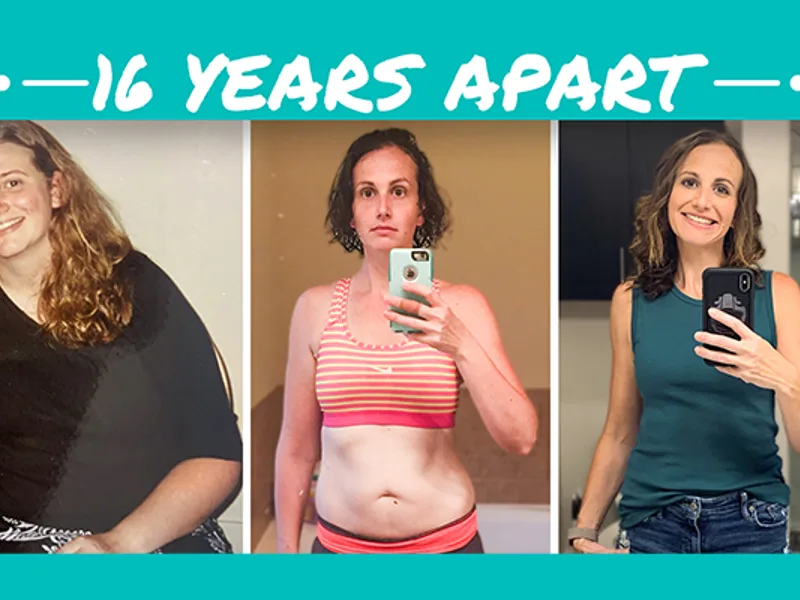
Does intermittent fasting weight loss actually last? A 2026 one-year follow-up study says yes — people who did just 12 weeks of time-restricted eating kept more weight off a full year later than those who got standard diet advice alone. But a separate Cochrane review of nearly 2,000 adults found int
July 23, 2026

A study of nearly 13,000 Brazilian adults found that people who consumed the most artificial sweeteners had noticeably faster memory and thinking decline over eight years than those who consumed the least. The effect was strongest in adults under 60 and in people with diabetes. Researchers stress th
July 23, 2026
Discover how to find a top nephrologist in Alipurduar. Expert advice on kidney care and choosing the right specialist for your health.
May 20, 2026