

Emergency & Help
24/7 Emergency & General Advisory
🚨 24/7 Medical Emergency
Non-Emergency Advisory
10:00 AM – 6:00 PM, Mon–Sat
For appointments & general queries.
24/7 Emergency & General Advisory
🚨 24/7 Medical Emergency
Non-Emergency Advisory
10:00 AM – 6:00 PM, Mon–Sat
For appointments & general queries.
Discover how walking 8500 steps daily can support your weight loss journey. Expert tips and insights for effective results.
Many individuals seek simpler, sustainable approaches to manage their body mass. Digital platforms frequently feature challenges centered on movement targets. An often-cited objective is 8500 strides each day. However, does achieving this specific figure genuinely lead to substantial body mass reduction?
As medical professionals, we frequently advise patients on integrating increased physical activity. The journey to a healthier body composition involves numerous elements, including dietary habits and lifestyle choices. Nonetheless, the significance of regular movement, such as covering 8500 strides, remains undeniable.
The scientific principle linking physical exertion and body mass reduction is straightforward: energy expenditure. When a person moves, their system expends energy. To decrease body mass, an energy deficit is necessary, meaning fewer energy units are consumed than burned.
The US Department of Health and Human Services recommends a minimum of 150 minutes of moderate-intensity aerobic activity each week. Attaining 8500 strides can assist in meeting and even surpassing this recommendation.
That's the part worth remembering.
The precise amount of energy expended varies considerably. Factors influencing this include an individual's body mass, their pace, and the terrain.
8 km/h or 3 mph) for one hour expends approximately 280-300 energy units. Reaching 8500 strides typically requires about 90-120 minutes of continuous motion, contingent on stride length and speed.
Let's examine the figures. Burning an additional 300-500 energy units through consistent movement can significantly contribute to an energy deficit.
5 kg (1 pound) weekly. 5-1 kg per week, as advised by the World Health Organization (WHO).
Consider an individual weighing 75 kg aiming for 8500 strides. This target might translate to an expenditure of roughly 400-500 extra energy units each day, solely from their routine.
Over a week, this totals 2800-3500 additional energy units burned. 5-1 kg.
Crucially, this remains an estimation. An individual's metabolism, muscle mass, and even their non-exercise activity thermogenesis (NEAT) play a role.
NEAT encompasses all energy expended from activities outside of sleeping, eating, or structured exercise — such as fidgeting or walking to a vehicle. Thus, while 8500 strides is an excellent objective, individual outcomes will differ.
Achieving 8500 strides offers more than just energy expenditure. It constitutes a low-impact activity that fortifies the cardiovascular system.
Regular brisk ambulation can help lower blood pressure — a crucial element in managing hypertension (high blood pressure). According to the Indian Council of Medical Research (ICMR), cardiovascular diseases remain a primary cause of mortality in India, making preventive measures like consistent physical exertion critically important.
What's more,, this consistent physical activity improves mood and alleviates stress. Endorphins released during exercise function as natural mood enhancers. For many people, particularly those managing demanding careers and family responsibilities in India, allocating time for vigorous workouts can be challenging.
Movement offers an accessible alternative. Incorporating a 45-60 minute period of ambulation, divided into two sessions if necessary, can significantly impact mental well-being.
These advantages also extend to enhancing sleep quality. Improved sleep is inherently linked to better body mass regulation and overall health. By establishing a regular routine of physical activity, the body receives signals to prepare for rest, potentially leading to deeper, more restorative sleep.
Here's where it gets interesting.
Reaching 8500 strides does not necessitate a complete overhaul of one's schedule. Small, consistent modifications accumulate. Individuals might try parking further from their destination or opting for stairs instead of an elevator.
For those working remotely, scheduling brief periods of movement throughout the day proves beneficial. Even pacing during phone conversations contributes to the total stride count.
Consider making these periods of movement more engaging. Listening to podcasts, audiobooks, or preferred music can enhance the experience. Ambulation with a friend or family member provides social support and accountability.
In India, many locales offer pleasant settings for such activity, especially during cooler morning or evening hours. Making it a family endeavor fosters bonding and shared physical engagement.
To monitor progress, a simple pedometer or a smartphone application can be remarkably useful. Many wearable devices provide detailed insights into activity levels, heart rate, and even sleep patterns.
Consistent tracking aids motivation and helps identify opportunities to increase movement. For instance, if one consistently falls short on weekdays, longer periods of activity might be planned for weekends.
It sounds simple. It rarely is.
Navigating life's demands can be challenging. Unforeseen circumstances, illness, or a simple lack of drive can disrupt progress. The key is to avoid discouragement. Should a day be missed or a target unmet, the aim is simply to resume the routine the following day. Consistency, rather than perfection, is the guiding principle.
For individuals new to regular movement, beginning with a lower stride count and gradually increasing it is advisable. Excessive exertion too soon can lead to injuries. It is essential to heed the body's signals.
Should pain arise, rest and consult a healthcare professional. Appropriate footwear is also essential to prevent issues such as plantar fasciitis or shin splints.
Weather can pose another impediment, particularly during India’s monsoon season or periods of extreme heat. On days when outdoor activity is not feasible, indoor alternatives should be considered.
Home workouts, indoor mall ambulation, or treadmill use can aid maintain the desired stride count. Proactive planning for these situations ensures routine continuity.
While achieving 8500 strides is an excellent approach for body mass reduction, it is not a standalone solution. Dietary choices play an equally crucial role. A balanced diet rich in whole foods, lean proteins, and fiber is essential.
Emphasis should be placed on portion control and mindful consumption. As the adage states, one cannot out-move a poor diet.
For instance, consuming an extra 500 energy units through unhealthy snacks can easily negate the 400-500 energy units expended from an 8500-stride activity. The National Institute of Nutrition (NIN) in India advocates a diet emphasizing fresh, locally sourced ingredients.
It sounds simple. It rarely is.
Incorporating ample vegetables, fruits, and whole grains, while restricting processed foods and sugary beverages, is a proven methodology.
Combining the 8500-stride objective with an energy-controlled diet can accelerate body mass reduction outcomes. 5-1 kg per week.
This synergy between physical exertion and nutrition is what specialists frequently identify as the most effective strategy for long-term body mass management.
The objective of 8500 strides is generally attainable for most adults, including those in India. The average Indian adult's daily activity level can vary significantly based on occupation and lifestyle.
Sedentary professions might yield as few as 3,000-4,000 strides, while more active roles could reach 7,000-9,000 or more. Therefore, consciously aiming for 8500 strides often requires a deliberate effort to increase everyday movement.
For individuals residing in urban Indian environments, integrating more movement might involve ambulating to local markets instead of driving, utilizing public transport for longer distances and moving to/from stations, or incorporating a dedicated period of activity in the morning or evening. In rural areas, routine chores might naturally contribute more strides, yet a structured period of ambulation can still enhance fitness levels and support body mass reduction endeavors.
Personalization is key. If 8500 strides initially seems daunting, one can begin with 5000 or 6000 and incrementally build up. The aim is sustainable progress, not immediate perfection. Listen to the body and adjust the target as needed. The most vital aspect involves establishing a consistent habit of movement.
This is where most people struggle.
We frequently encounter individuals hesitant about initiating an exercise regimen. One gentleman, Mr. Sharma, a 55-year-old accountant from Delhi, struggled with his body mass and early indicators of hypertension. He found conventional gym workouts intimidating. We advised him to commence with 7000 strides each day, gradually increasing to 9000.
Within three months, Mr. Sharma reported not only a 5 kg reduction in body mass but also a significant improvement in his blood pressure readings.
He remarked, “I never imagined movement could achieve so much. ” His experience underscores how accessible and impactful consistent movement can be.
Another patient, Mrs. Devi, a homemaker from Jaipur, utilized her 8500-stride objective to manage her post-pregnancy body mass. She integrated short periods of activity during her child’s nap times and longer family ambulations on weekends.
She found the consistent movement helped boost her energy levels, making routine chores less strenuous. Her narrative highlights the adaptability of this objective across different life stages.
Remember, embarking on a body mass reduction journey is a personal endeavor. While 8500 strides is a potent tool, it forms one component of a broader health framework. Celebrate progress, be understanding during setbacks, and focus on cultivating sustainable habits. The capacity to achieve health objectives resides within each individual!
Always consult a qualified physician before making medical decisions.
Yes, rice can be consumed, but portion control is critical, especially for individuals with diabetes. Prioritize brown rice over white rice when feasible, as it possesses a lower glycemic index and higher fiber content.
And yet, so many people miss it.
Pair it with ample vegetables and lean protein to assist in managing blood sugar levels and supporting body mass reduction efforts.
Body mass reduction is highly individualized and contingent on factors such as initial body mass, diet, and metabolism. However, by consistently completing 8500 strides and maintaining a moderate energy deficit, one can realistically target a reduction of 0.5-1 kg per week. notable changes may become apparent within 4-8 weeks.
For many individuals, 8500 strides represents a highly reliable target for body mass reduction, particularly when combined with dietary modifications. If an individual is already very active or has a higher initial body mass, increasing their movement further, perhaps to 10,000 or more strides, could accelerate results.
Nevertheless, consistent adherence to 8500 strides holds greater importance than pursuing an perpetually higher figure.
The optimal time for physical activity is whenever it can be consistently integrated into one's schedule. Morning activity can stimulate metabolism and energy for the day.
Evening activity can aid in stress reduction and strengthen sleep. Some individuals prefer dividing their movement into multiple shorter sessions throughout the day, which is also reliable for achieving the 8500-stride objective and deriving health benefits.
Visit Hospital
Near You
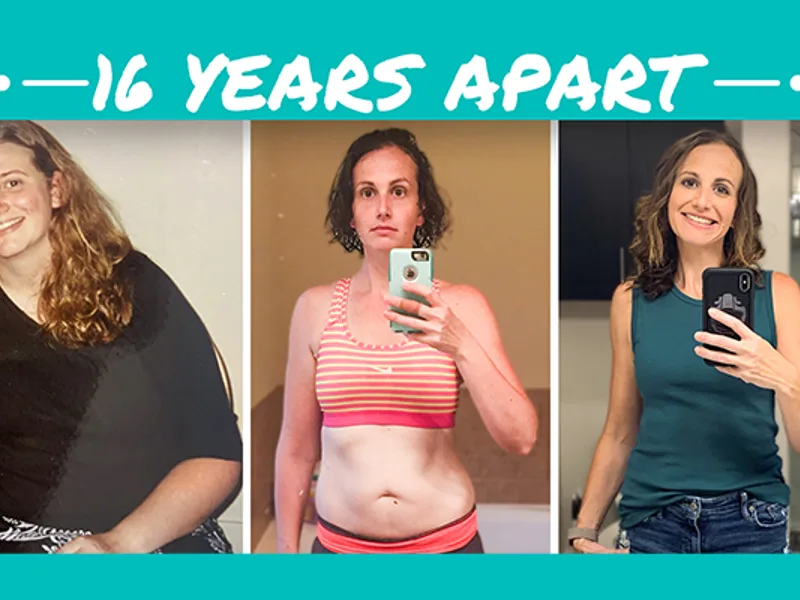
Does intermittent fasting weight loss actually last? A 2026 one-year follow-up study says yes — people who did just 12 weeks of time-restricted eating kept more weight off a full year later than those who got standard diet advice alone. But a separate Cochrane review of nearly 2,000 adults found int
July 23, 2026

A study of nearly 13,000 Brazilian adults found that people who consumed the most artificial sweeteners had noticeably faster memory and thinking decline over eight years than those who consumed the least. The effect was strongest in adults under 60 and in people with diabetes. Researchers stress th
July 23, 2026
Discover how to find a top nephrologist in Alipurduar. Expert advice on kidney care and choosing the right specialist for your health.
May 20, 2026