

Emergency & Help
24/7 Emergency & General Advisory
🚨 24/7 Medical Emergency
Non-Emergency Advisory
10:00 AM – 6:00 PM, Mon–Sat
For appointments & general queries.
24/7 Emergency & General Advisory
🚨 24/7 Medical Emergency
Non-Emergency Advisory
10:00 AM – 6:00 PM, Mon–Sat
For appointments & general queries.
Discover the benefits of Apana Mudra, the cleansing hand gesture. Learn how to perform it for detoxification and well-being, guided by Dr. Ankit Sankhe.
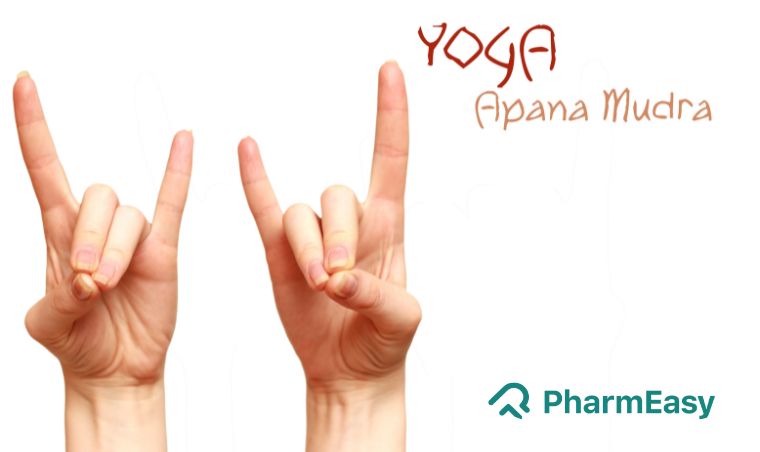
Meena, 45, a homemaker from Jaipur, experienced ongoing bloating and discomfort following meals. Conventional treatments offered temporary relief, but the core issue persisted. Like many in India, she frequently indulged in rich, celebratory foods, particularly during festivals such as Diwali, which could occasionally result in digestive upset.
Her quest for an organic, integrated solution led her to explore age-old yogic techniques, specifically hand formations known as mudras. This is how Apana Mudra, frequently called the cleansing gesture, entered her life, bringing about a substantial enhancement in her physical condition.
Understanding the subtle yet potent effects of these hand formations can significantly alter one's overall well-being. Apana Mudra, in particular, is intrinsically linked to the downward-flowing vital force (Apana Vayu) within the body, which governs expulsion and purification.
Its application is thought to invigorate Apana Vayu, thereby assisting in the elimination of impurities and waste materials from both the physical and energetic systems.
Within yogic philosophy, Prana represents the essential life energy that courses through us. This Prana appears in diverse forms, each possessing a distinct purpose and direction.
Apana Vayu stands as one such manifestation, primarily situated in the lower abdominal region and pelvis. Its primary function is to direct energy downward and outward, facilitating the expulsion of bodily waste via the intestines, urinary channels, and reproductive organs.
It sounds simple. It rarely is.
When Apana Vayu is in equilibrium, these expelling processes operate without interruption. However, disruptions can lead to a variety of difficulties. Constipation, irritable bowel syndrome (IBS), indigestion, and even urinary tract infections can be associated with a subdued Apana Vayu.
In numerous instances, contemporary living, suboptimal nutrition, and stress contribute substantially to these imbalances. In practical terms, a robust Apana Vayu is indispensable for maintaining a pure internal environment and preventing the buildup of ama (impurities) in the body, a concept fundamental to Ayurvedic principles.
The consistent application of Apana Mudra yields a range of benefits, extending beyond simple physical purification. By stimulating Apana Vayu, it directly impacts the digestive and excretory systems.
Individuals frequently report a discernible improvement in bowel regularity and a decrease in bloating and gas. This purifying action can also extend to the urinary system, potentially easing discomfort and promoting enhanced kidney performance.
This is where most patients struggle.
Beyond physical detoxification, Apana Mudra is recognized for its grounding and soothing qualities. The gesture aids in stabilizing the root chakra (Muladhara), which is connected to our sense of safety, stability, and earthly connection. This stabilizing effect can diminish feelings of unease and agitation, fostering a sense of internal tranquility.
So, what does this imply for you? It means that this uncomplicated hand position can serve as a potent instrument for both physical vitality and emotional balance.
What's more,, the application is believed to augment the body's inherent purification mechanisms. While not a substitute for medical intervention, it can function as a valuable supplementary approach.
For example, investigations into yoga's influence on well-being, frequently referenced by organizations like the World Health Organization (WHO), underscore the role of techniques such as mudras in fostering holistic vitality. A publication from the Indian Council of Medical Research (ICMR) also indicates the increasing acceptance of supportive therapies within India's medical framework.
Here's the key point: Apana Mudra can be especially beneficial during periods of dietary shifts, such as transitioning from a rich festival diet to lighter fare, or when experiencing general sluggishness. It assists the body in adapting and cleansing more effectively.
Certain adherents also link it to improved reproductive vitality, likely due to its influence on the pelvic region where Apana Vayu is concentrated.
Executing Apana Mudra is straightforward and can be undertaken anywhere, at any time. It requires no specialized equipment or demanding physical exertion, rendering it accessible to nearly everyone. You may employ it while seated, standing, or even reclining.
Here's where it gets interesting.
Locate a comfortable and tranquil setting for sitting. Many yogis opt for a cross-legged position on the floor, perhaps on a yoga mat or a folded textile, adopting a traditional Indian stance. Ensure your vertebral column is upright yet relaxed. Alternatively, you can sit on a chair with your feet resting flat on the ground.
Bring your hands to rest on your lap or knees, with your palms facing either upward or downward, whichever feels more intuitive. Next, gently connect the tip of your middle digit with the tip of your thumb on both hands. The remaining three fingers—the index, ring, and little fingers—should remain extended and at ease, pointing skyward.
Mental Imagery: Visualize a gentle downward surge of energy being activated within your lower abdominal area.
Commence by maintaining the gesture for 5-10 minutes per session. As you grow more accustomed, you can progressively extend the time to 15-20 minutes.
It is advisable to employ Apana Mudra at least twice daily, ideally upon waking with an empty stomach and before retiring for the night. Steadfastness is paramount for realizing its complete advantages.
What action should you truly take? Aim for a daily routine, integrating it into your morning or evening regimen. Even 5 minutes can yield a difference.
While holding the gesture, concentrate on deep, deliberate respiration. Inhale slowly through your nasal passages, filling your lungs and abdomen, and exhale gradually, expelling all air. Direct your awareness to the natural downward and outward movement of your breath, which complements the function of Apana Vayu.
This is where most individuals struggle.
Weaving Apana Mudra into your daily existence is uncomplicated. It can be employed during meditative periods, while listening to melodies, engrossed in a book, or even during your transit if you are not operating a vehicle. The objective is to establish a consistent application that supports your body's inherent cleansing mechanisms.
For individuals grappling with digestive disturbances, applying Apana Mudra before or after meals can be particularly beneficial. It aids the digestive process and facilitates the efficient expulsion of food residues.
In many scenarios, individuals find that combining this gesture with other yogic techniques such as specific asanas (physical postures) and pranayama (breathing exercises) can amplify its outcomes. For instance, gentle spinal twists and forward folds are frequently suggested to further stimulate the abdominal organs.
The hurdle for many lies in consistency. A study disseminated in The Lancet, examining adherence to wellness strategies, highlighted that even modest, sustained efforts produce significant long-term results. Therefore, even if you can only dedicate 5 minutes daily, persevere. The cumulative impact of this simple gesture can be profound.
The numbers don't lie.
In the current era, where processed foods and sedentary habits are prevalent, the body's intrinsic purification systems are frequently overtaxed. This can lead to an increased occurrence of lifestyle-related ailments. For instance, the International Diabetes Federation (IDF) reports a notable surge in diabetes cases globally, with India being a major contributor.
While Apana Mudra does not directly treat diabetes, maintaining sound digestive and excretory functions is fundamental to overall metabolic well-being. Over 101 million individuals in India have diabetes (ICMR, 2023), emphasizing the importance of holistic wellness approaches.
The application of Apana Mudra can be viewed as a proactive measure to bolster the body's innate capacity for self-purification. It encourages the efficient removal of waste, which is a cornerstone of good vitality.
It represents a gentle, non-intrusive method of nurturing your body from the inside out. Truly, in a world saturated with superficial solutions, the grace of a method rooted in ancient wisdom is genuinely remarkable.
Recovery is rarely linear.
On top of that,, the psychological advantages are equally meaningful. Stress and unease can adversely affect digestion, creating a detrimental cycle. By fostering relaxation and grounding through the stabilization of the root chakra, Apana Mudra helps to disrupt this cycle. A tranquil mind frequently contributes to a more settled digestive system.
Always seek counsel from a certified medical professional before making any health-related decisions.
Visit Hospital
Near You

Does intermittent fasting weight loss actually last? A 2026 one-year follow-up study says yes — people who did just 12 weeks of time-restricted eating kept more weight off a full year later than those who got standard diet advice alone. But a separate Cochrane review of nearly 2,000 adults found int
July 23, 2026
A study of nearly 13,000 Brazilian adults found that people who consumed the most artificial sweeteners had noticeably faster memory and thinking decline over eight years than those who consumed the least. The effect was strongest in adults under 60 and in people with diabetes. Researchers stress th
July 23, 2026
Discover how to find a top nephrologist in Alipurduar. Expert advice on kidney care and choosing the right specialist for your health.
May 20, 2026