

Emergency & Help
24/7 Emergency & General Advisory
🚨 24/7 Medical Emergency
Non-Emergency Advisory
10:00 AM – 6:00 PM, Mon–Sat
For appointments & general queries.
24/7 Emergency & General Advisory
🚨 24/7 Medical Emergency
Non-Emergency Advisory
10:00 AM – 6:00 PM, Mon–Sat
For appointments & general queries.
A study of nearly 13,000 Brazilian adults found that people who consumed the most artificial sweeteners had noticeably faster memory and thinking decline over eight years than those who consumed the least. The effect was strongest in adults under 60 and in people with diabetes. Researchers stress th

People who eat and drink the most artificial sweeteners show noticeably faster declines in memory and thinking skills than those who consume the least, according to a study of nearly 13,000 adults published in the journal Neurology. The difference was largest in adults under 60 and in people with diabetes.
Researchers led by Dr. Claudia Kimie Suemoto at the University of São Paulo followed 12,772 middle-aged Brazilian adults for an average of eight years, tracking their intake of seven low- and no-calorie sweeteners: aspartame, saccharin, acesulfame-K, erythritol, sorbitol, xylitol, and tagatose.
Participants were split into three groups based on how much of these sweeteners they consumed daily. The results were striking. People in the highest-consumption group — around 191 milligrams a day, roughly the amount in one can of diet soda — showed a 62% faster decline in cognitive and memory skills compared with the lowest-consumption group, equivalent to about 1.6 years of extra brain aging.Those in the middle-consumption group, averaging 66 milligrams a day, declined 35% faster than the lowest group, equal to roughly 1.3 years of aging.
Memory and verbal fluency were hit hardest. The decline was particularly evident in working memory and verbal fluency, not just overall cognitive scores.
[REVIEWER: add clinical insight here — for example, how this compares with other modifiable dementia risk factors you discuss with patients, or how you'd counsel a patient who already relies on diet soda or sugar-free products daily.]
The link wasn't the same for everyone.The association between sweetener intake and cognitive decline was pronounced in adults under 60 and nearly absent in those over 60 — a pattern researchers have called counterintuitive, since older adults are usually considered more vulnerable to cognitive risk factors.One Harvard neurologist not involved in the study suggested this may partly reflect how hard it is to isolate a sweetener-related signal against the natural variation in cognitive decline that already exists in older age groups.
People with diabetes saw a stronger effect too. The link between sweeteners and the rapidity of decline was even stronger in people with diabetes, particularly for memory loss. That matters because people with diabetes are more likely to use artificial sweeteners as sugar substitutes in the first place, which means their long-term exposure tends to be higher and more sustained than in the general population.
This was an observational study, so it can show a pattern but can't prove sweeteners directly cause memory loss. Even so, the researchers pointed to some biologically plausible explanations, drawn partly from animal research. Suemoto has noted that in animal studies, certain sweeteners appear to promote inflammation in the brain, alter the makeup of gut bacteria, and damage the blood-brain barrier — changes that could plausibly affect memory, concentration, and thinking ability.</cite>
A separate line of research backs up the gut connection.A 2025 review in the International Journal of Molecular Sciences described how non-caloric sweeteners can alter gut microbiota, reducing beneficial bacterial species, lowering production of short-chain fatty acids, weakening gut barrier integrity, and promoting body-wide inflammation — changes that ripple into the brain via the gut-brain axis. Some researchers have also raised a simpler idea: unlike sugar, sweeteners don't supply the brain with glucose, its primary fuel source, so a diet heavy in sweeteners but light on natural carbohydrates could theoretically affect brain function over time.
[REVIEWER: add clinical insight here — for example, whether you find the neuroinflammation/gut-brain axis explanation convincing, or what you'd want to see in future research before changing patient guidance.]
The study's own authors were careful about the limits of their data.Suemoto herself said the study is only observational, so she could not say that artificial sweeteners cause cognitive decline — only that they're associated with worse cognitive trajectories.The diet data also relied on participants' own memory of what they ate, which is a recognized source of error in nutrition research.
Industry groups pushed back on drawing firm conclusions. The International Sweeteners Association said the findings may be influenced by confounding factors such as overall dietary patterns, lifestyle choices, and other health conditions, and noted that the study's own authors cautioned against drawing causal conclusions.
It's also worth noting where sweeteners currently stand with regulators. Aspartame, saccharin, and acesulfame-K are classified by the U.S. Food and Drug Administration as "generally recognized as safe" (GRAS), with set daily intake limits. The World Health Organization has taken a more cautious stance on one sweetener specifically: in July 2023, it classified aspartame as "possibly carcinogenic to humans," a conclusion the FDA disputed.
This isn't an isolated finding. The Brazilian research team's work builds on their earlier findings connecting ultra-processed food consumption with faster cognitive decline, since sweeteners are common ingredients in many ultra-processed products Sweeteners aren't limited to diet soda, either — they show up widely across grocery store shelves.Aspartame sweetens Diet Coke and Equal, saccharin is the basis of Sweet'N Low, erythritol is a main ingredient in Truvia and many keto-branded sweetener blends, and xylitol and sorbitol appear in chewing gum, sugar-free candy, and diabetic-friendly foods throughout the average grocery store.
This study doesn't mean the occasional diet soda is dangerous, and it doesn't prove sweeteners cause memory loss — it shows a statistical link that researchers think is worth taking seriously, especially for people who consume sweeteners daily and in large amounts. If you rely on artificial sweeteners as a regular part of your diet — particularly if you have diabetes or are middle-aged — it's a reasonable moment to check in with your doctor about your overall sweetener intake and whether adjustments make sense for you, rather than trying to interpret the research alone.
Does this study prove artificial sweeteners cause memory loss?
No. It's an observational study, meaning it shows an association, not proof of cause and effect. The lead researcher has explicitly said the findings can't confirm that sweeteners cause cognitive decline, only that heavier consumption is linked to worse cognitive trajectories over time.
Which artificial sweeteners were linked to cognitive decline?
The study looked at seven low- and no-calorie sweeteners: aspartame, saccharin, acesulfame-K, erythritol, sorbitol, xylitol, and tagatose. These appear in diet sodas, sugar-free candy, some keto products, and many ultra-processed foods and drinks.
Are people with diabetes at higher risk from sweeteners?
The study found a stronger link between sweetener consumption and cognitive decline in people with diabetes, particularly for memory loss. This may partly reflect that people with diabetes tend to consume more artificial sweeteners as sugar substitutes.
Why did the effect show up mainly in people under 60?
Researchers found the link was strongest in adults under 60 and barely detectable in those over 60. The reason isn't fully understood; one theory is that it's harder to isolate a sweetener-related effect against the wider natural variation in cognitive decline seen in older age groups.
Should I stop using artificial sweeteners based on this study?
This single study isn't a reason to make a sudden dietary change on your own. It's a reasonable prompt to talk with your doctor about how much sweetener you consume, especially if you use it daily or have diabetes, so you can weigh the evidence against your personal health situation.
Suemoto CK, et al. "Association Between Consumption of Low- and No-Calorie Artificial Sweeteners and Cognitive Decline." Neurology, 2025 (published by the American Academy of Neurology).
CNN Health, "Artificial sweeteners aged the brain by over 1.5 years, study says," September 2025.
Yahoo/NewsNation coverage of the Neurology study, September 2025.
UPI, "Artificial sweeteners consumed in midlife linked to cognitive decline," September 2025.
Coccurello R. "Disrupting the Gut–Brain Axis: How Artificial Sweeteners Rewire Microbiota and Reward Pathways." International Journal of Molecular Sciences, October 2025.
U.S. Food and Drug Administration — guidance on high-intensity sweeteners and GRAS status.
World Health Organization — July 2023 classification of aspartame as "possibly carcinogenic to humans" (IARC).
Visit Hospital
Near You
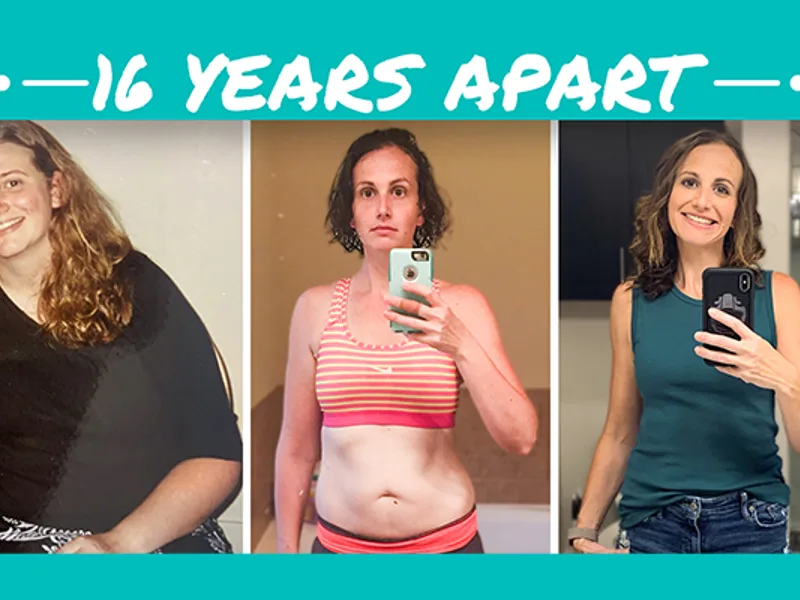
Does intermittent fasting weight loss actually last? A 2026 one-year follow-up study says yes — people who did just 12 weeks of time-restricted eating kept more weight off a full year later than those who got standard diet advice alone. But a separate Cochrane review of nearly 2,000 adults found int
July 23, 2026
Discover how to find a top nephrologist in Alipurduar. Expert advice on kidney care and choosing the right specialist for your health.
May 20, 2026
Essential guide to antenatal care in Purba Medinipur. Learn about check-ups, nutrition, and vital steps for a healthy pregnancy.
May 20, 2026