

Emergency & Help
24/7 Emergency & General Advisory
🚨 24/7 Medical Emergency
Non-Emergency Advisory
10:00 AM – 6:00 PM, Mon–Sat
For appointments & general queries.
24/7 Emergency & General Advisory
🚨 24/7 Medical Emergency
Non-Emergency Advisory
10:00 AM – 6:00 PM, Mon–Sat
For appointments & general queries.
Explore if Baduanjin, an ancient Chinese Qigong form, can help manage hypertension. Discover the science and patient experiences.
High blood pressure, or hypertension, affects millions globally. India faces a significant burden, with an estimated 77 million adults experiencing hypertension (IDF, 2023). Many people seek reliable, non-pharmacological ways to manage this condition. Could an ancient practice like Baduanjin offer a solution? Let's explore the evidence.
The reality is, modern medicine offers many effective treatments for hypertension. However, integrating lifestyle changes can significantly boost their impact. Baduanjin, a traditional Chinese Qigong exercise, has gained attention for its potential health benefits.
This gentle form of movement combines deep breathing, specific postures, and mindful meditation. We often see patients looking for complementary approaches to their prescribed care.
Baduanjin, often translated as 'Eight Brocades,' is one of the oldest and most popular forms of Qigong. It originated over a thousand years ago in China. The practice consists of eight distinct movements, each designed to harmonize the body's vital energy, or 'qi'.
Unlike strenuous exercises, Baduanjin is accessible to most age groups and fitness levels. Its focus is on slow, deliberate movements, deep abdominal breathing, and mental focus.
Worth knowing: Each of the eight movements is named after a mythological creature or a common object, reflecting its graceful nature. These movements are believed to stimulate the body's meridians (energy pathways), promoting balance and well-being. Does this sound familiar? Many ancient practices emphasize this mind-body connection.
It sounds simple. It rarely is.
Regular physical activity is a cornerstone of managing hypertension. The World Health Organization (WHO) recommends at least 150 minutes of moderate-intensity aerobic activity per week.
Exercise helps by strengthening the heart muscle, improving blood circulation, and reducing arterial stiffness. This makes it easier for the heart to pump blood, thus lowering pressure.
In many cases, consistent exercise can reduce systolic blood pressure by 5-10 mmHg. This improvement can be substantial, potentially decreasing the risk of heart attack and stroke.
Physicians often prescribe exercise as a vital part of a comprehensive hypertension management plan. It's not just about strenuous workouts; gentle activities can also be impactful.
While rigorous scientific studies specifically on Baduanjin and hypertension are still emerging, existing research on Qigong offers promising insights. Qigong, in general, has been shown to have several physiological effects that could benefit blood pressure control.
A meta-analysis published in the journal 'Evidence-Based Complementary and Alternative Medicine' reviewed several studies on Qigong for hypertension. It suggested that Qigong practice could lead to a meaningful reduction in both systolic and diastolic blood pressure.
While this analysis included various Qigong forms, Baduanjin's structured nature makes it a strong candidate for similar benefits.
The reality is, individual results can vary. Some studies specifically examining Baduanjin have reported positive outcomes.
For example, a study conducted at a university in China found that participants practicing Baduanjin showed improvements in cardiovascular markers, including blood pressure. These findings, though requiring larger, more diverse trials, are encouraging.
From a patient perspective, many individuals who incorporate Baduanjin into their routine report feeling calmer and more energetic. Mrs. Sharma, a 65-year-old homemaker from Delhi living with hypertension, shared her experience: "After starting Baduanjin three times a week, I noticed my stress levels dropped significantly.
Most people overlook this completely.
My doctor even noted a slight improvement in my blood pressure readings during my last check-up. " This anecdotal evidence, while not a substitute for clinical data, highlights the potential holistic benefits.
Living with this is genuinely hard. The constant worry about numbers can be overwhelming. Finding accessible practices that offer relief is vital. Does this sound familiar? Many people grapple with managing chronic conditions.
If you're considering Baduanjin to aid manage your blood pressure, here’s how you can start:
Worth knowing: Some research suggests that even short sessions of Qigong can induce immediate relaxation responses. This highlights its potential for acute stress management.
Aerobic exercises like brisk walking, jogging, and swimming are well-established for their cardiovascular benefits. They are excellent for improving heart efficiency and stamina. High-intensity interval training (HIIT) can also be very impactful for improving cardiovascular fitness in a shorter time.
However, Baduanjin offers a different approach. Its emphasis on low impact, mindful movement, and stress reduction makes it particularly suitable for older adults, individuals with joint issues, or those who find high-intensity exercises daunting.
That alone changes everything.
The reality is, the best exercise is the one you will do consistently. For some, the gentle, meditative nature of Baduanjin makes it more sustainable.
Honestly, the unique combination of physical movement, deep breathing, and mental focus in Baduanjin may provide benefits that go beyond simple physical exertion. This holistic approach targets both the physical and psychological aspects contributing to hypertension.
While Baduanjin is generally safe, it's key to approach it with realistic expectations. It is not a magic cure. notable improvements in blood pressure typically require consistent effort over weeks and months. On top of that,, like any new physical activity, there's a slight possibility of minor strains if performed incorrectly.
those affected with pre-existing medical conditions should always consult their physician before starting any new exercise program, including Baduanjin. Your doctor can provide personalized advice based on your health status. What should you actually do? Ensure your healthcare provider is aware of your interest in complementary therapies.
India has a rich heritage of traditional practices that promote well-being. Integrating evidence-based approaches like Baduanjin, alongside conventional medical care, can empower individuals in their health journey. The key lies in finding a balance that works for you.
The numbers don't lie.
No, Baduanjin is a complementary therapy and should not replace prescribed medication. Always follow your doctor's approach plan for hypertension. Consistent practice may support reduce reliance on medication over time, but this must be guided by a physician.
Aim for consistency, practicing at least 3-5 times per week. Even short, daily sessions of 10-15 minutes can be beneficial. Regularity is more crucial than the duration of each session for achieving positive health outcomes.
Yes, Baduanjin's gentle, low-impact nature makes it highly suitable for elderly individuals and those with physical limitations. Its focus on balance and mindful movement can also improve stability and reduce the possibility of falls.
Baduanjin is generally very safe with minimal risks. Potential side effects are rare and usually minor, such as slight muscle soreness if a new movement is performed vigorously. Proper technique, learned from a qualified instructor, minimizes these risks.
It sounds simple. It rarely is.
Always consult a qualified physician before making medical decisions.Visit Hospital
Near You
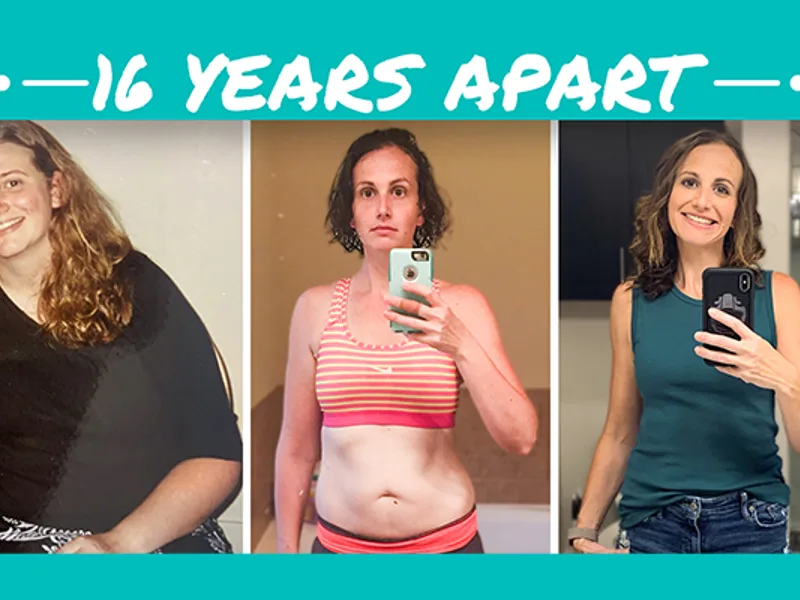
Does intermittent fasting weight loss actually last? A 2026 one-year follow-up study says yes — people who did just 12 weeks of time-restricted eating kept more weight off a full year later than those who got standard diet advice alone. But a separate Cochrane review of nearly 2,000 adults found int
July 23, 2026
A study of nearly 13,000 Brazilian adults found that people who consumed the most artificial sweeteners had noticeably faster memory and thinking decline over eight years than those who consumed the least. The effect was strongest in adults under 60 and in people with diabetes. Researchers stress th
July 23, 2026
Discover how to find a top nephrologist in Alipurduar. Expert advice on kidney care and choosing the right specialist for your health.
May 20, 2026