

Emergency & Help
24/7 Emergency & General Advisory
🚨 24/7 Medical Emergency
Non-Emergency Advisory
10:00 AM – 6:00 PM, Mon–Sat
For appointments & general queries.
24/7 Emergency & General Advisory
🚨 24/7 Medical Emergency
Non-Emergency Advisory
10:00 AM – 6:00 PM, Mon–Sat
For appointments & general queries.
Learn Balasana (Child's Pose) from Dr. Ankit Sankhe. Discover its numerous benefits for stress, digestion, and more. Step-by-step guide.
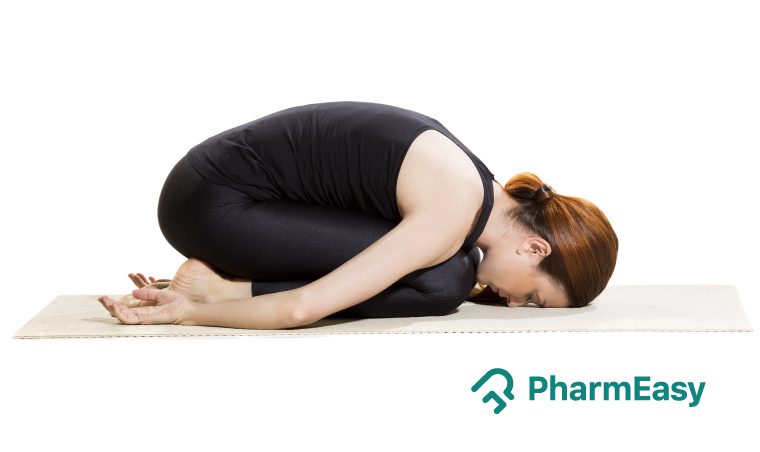
Meena, 45, a homemaker from Jaipur, noticed a persistent ache in her lower back after spending long hours sitting on the floor during a family wedding. Coupled with a general feeling of stress from managing household responsibilities, she felt drained. Her yoga instructor suggested incorporating Child's Pose, or Child's Pose, into her daily routine.
Meena was initially sceptical, thinking such a simple resting posture couldn't possibly offer significant relief. However, within a week of consistent engagement, she felt a noticeable reduction in her back discomfort and a profound sense of calm wash over her.
The reality is, many of us in India, like Meena, juggle numerous responsibilities, often leading to bodily and emotional fatigue. The traditional Indian lifestyle, which sometimes involves prolonged periods of sitting on the floor or engaging in physically demanding household chores, can take a toll.
Child's Pose, a foundational yoga posture, offers a mild yet powerful antidote to modern-day stressors and bodily strains. Honestly, its simplicity belies its profound impact on both body and mind.
Child's Pose is more than just a resting posture; it's an active form of surrender that yields a cascade of health benefits. Think about it this way: when you're overwhelmed, your body tenses up, your breath becomes shallow, and your mind races.
It sounds simple. It rarely is.
Child's Pose provides a bodily cue to your nervous system to relax, signalling that it's safe to let go of tension.
The mild forward fold of Child's Pose provides a gentle stretch to the spine, hips, thighs, and ankles. This can be particularly beneficial for individuals experiencing stiffness or discomfort. The posture elongates the spine, offering a welcome release from the compressive forces of daily life, especially if you've been sitting for extended periods, perhaps during the festive season's elaborate meals or long workdays. Over 70% of adults worldwide experience back pain at some point in their lives, and postures like Child's Pose can contribute to its alleviation, according to studies published in the Journal of Physical Therapy Science.
Additionally, the posture can help to relieve mild indigestion and bloating. By compressing the abdominal organs gently, it stimulates the digestive system. For many, especially after indulging in rich festival foods like those enjoyed during Diwali, a mild digestive aid is invaluable.
The pressure on the abdomen can encourage better bowel function. Approximately 20-30% of the Indian population suffers from chronic digestive issues, highlighting the need for accessible relief methods like this posture.
So what does that mean for you? It means that even a few minutes in Child's Pose can contribute to a more comfortable digestive experience and a less burdened back.
The emotional benefits of Child's Pose are perhaps even more considerable. As you fold forward, bringing your forehead towards the mat, you are essentially turning inward. This bodily act encourages introspection and a quieting of the mental chatter that often plagues us.
The posture is renowned for its ability to calm the brain, reduce stress, and relieve anxiety. Studies have shown that regular yoga engagement, including postures like Child's Pose, can lower cortisol levels, the body's primary stress hormone. Elevated cortisol is linked to numerous health problems, including increased risk of heart disease and impaired immune function, as noted by the World Health Organization (WHO).
Most people overlook this completely.
The rhythmic breathing that naturally accompanies the posture helps to regulate the nervous system. Deep, conscious breaths signal safety and relaxation to the brain, shifting you from a 'fight-or-flight' response to a 'rest-and-digest' state. This is crucial in today's fast-paced world, where chronic stress is rampant.
The Indian Council of Medical Research (ICMR) has highlighted the growing burden of mental health issues in India, making engagements that promote emotional well-being increasingly vital. Some research suggests that consistent engagement can improve sleep quality, with over 60% of adults reporting sleep difficulties.
But why does this happen? The mild inversion (head lower than the heart) in Child's Pose can benefit to boost blood circulation to the brain, promoting a sense of calmness and mental clarity. This subtle shift in blood flow, combined with focused breathing, creates a powerful calming effect.
One of the most beautiful aspects of Child's Pose is its accessibility. It is a posture that requires no prior yoga experience and can be adapted for almost any body type.
Whether you are a seasoned yogi or a complete beginner, young or old, this posture welcomes you. It's a posture of humility and surrender, reminding us that sometimes, the greatest strength lies in allowing ourselves to be still and to rest.
The numbers don't lie.
Performing Child's Pose correctly ensures you reap its full benefits. Here’s how to get into the posture:
Start on your hands and on the floor on a yoga mat or a comfortable surface. Ensure your knees are hip-width apart, and your big toes are touching. You can place a folded blanket under your knees if they feel sensitive.
Exhale and sit your hips back towards your heels. Lower your torso down between your thighs. If your thighs are tight, you can widen your knees slightly. If your hips don't comfortably reach your heels, you can place a folded blanket or cushion between them.
There are a few ways to position your arms:
Your forehead should rest gently on the mat. If it doesn’t reach comfortably, you can place a block or a folded blanket under your forehead for support.
Close your eyes and focus on your breath. Breathe deeply and slowly through your nose, allowing your belly to expand with each inhale and contract with each exhale. Feel the gentle stretch along your back.
Allow your body to feel heavy and grounded. Remain in the posture for 5-10 deep breaths, or for as long as feels comfortable, typically between 30 seconds to 5 minutes for experienced practitioners.
To come out, inhale and gently press into your hands, slowly rolling up your spine one vertebra at a time. Your head should be the last to rise. Take a moment to notice how your body feels.
As Dr. Ankit Sankhe often advises his patients, listening to your body is paramount. Modifications ensure the posture is therapeutic rather than strenuous.
If you have knee pain, place a rolled blanket between your thighs and calves, or widen your knees further apart. A cushion under the hips can also alleviate pressure.
Avoid resting your forehead directly on the mat if it strains your neck. Instead, stack your fists and rest your forehead on them, or use a block for support. Ensure your neck remains long and not compressed.
Most people overlook this completely.
Pregnant individuals can widen their knees significantly to accommodate their belly, resting the torso between the thighs. Arm placement can be alongside the body or extended forward.
The essence of Child's Pose lies in its restorative nature. Don't force yourself into the posture. Focus on releasing tension with each exhale.
This isn't about achieving a perfect shape; it’s about finding comfort and stillness. The International Diabetes Federation (IDF) notes that stress can exacerbate conditions like diabetes, making relaxation techniques even more critical for overall health management.
You don't need an hour on the yoga mat to benefit from Child's Pose. This posture can be integrated into your day in numerous ways:
Honestly, its versatility is one of its greatest strengths. It's a readily available tool for self-care that requires no special equipment or location.
Child's Pose is a testament to the power of simplicity in healing. Its ability to calm the nervous system, alleviate bodily discomfort, and foster a sense of inner peace makes it an invaluable engagement for people of all ages and fitness levels.
While it offers numerous benefits, it's essential to approach the engagement with awareness and respect for your body's limits.
Always consult a qualified physician before making any medical decisions.
Visit Hospital
Near You
Does intermittent fasting weight loss actually last? A 2026 one-year follow-up study says yes — people who did just 12 weeks of time-restricted eating kept more weight off a full year later than those who got standard diet advice alone. But a separate Cochrane review of nearly 2,000 adults found int
July 23, 2026

A study of nearly 13,000 Brazilian adults found that people who consumed the most artificial sweeteners had noticeably faster memory and thinking decline over eight years than those who consumed the least. The effect was strongest in adults under 60 and in people with diabetes. Researchers stress th
July 23, 2026
Discover how to find a top nephrologist in Alipurduar. Expert advice on kidney care and choosing the right specialist for your health.
May 20, 2026