

Emergency & Help
24/7 Emergency & General Advisory
🚨 24/7 Medical Emergency
Non-Emergency Advisory
10:00 AM – 6:00 PM, Mon–Sat
For appointments & general queries.
24/7 Emergency & General Advisory
🚨 24/7 Medical Emergency
Non-Emergency Advisory
10:00 AM – 6:00 PM, Mon–Sat
For appointments & general queries.
Discover the best exercises for fatty liver disease. Learn how physical activity can help manage and reverse liver fat. Consult your doctor.

Meena, 45, a homemaker from Jaipur, noticed unexplained fatigue and discomfort in her upper abdomen. After a routine check-up, her doctor delivered a diagnosis of Non-Alcoholic Fatty Liver Disease (NAFLD). Like many in India, Meena was initially confused and worried.
She had always believed liver problems were linked to alcohol consumption. The reality is, NAFLD is becoming increasingly prevalent, driven by lifestyle factors like diet and inactivity.
Have you ever wondered why a sedentary lifestyle, often coupled with modern dietary habits, can silently damage your liver? The accumulation of excess fat in the liver, beyond what is considered normal, can lead to inflammation and liver damage if left unaddressed.
Fortunately, physical activity stands out as a powerful, non-pharmacological intervention for managing and even reversing fatty liver. Practically speaking, incorporating regular physical activity can significantly improve liver enzyme levels and reduce fat deposition.
Fatty liver disease, or hepatic steatosis, is a condition characterized by the buildup of fat in the liver. It is broadly classified into two types: alcoholic fatty liver disease (AFLD), caused by excessive alcohol intake, and non-alcoholic fatty liver disease (NAFLD).
It sounds simple. It rarely is.
NAFLD is the more common form in India and globally, affecting an estimated 25% of the world's population, with figures in India potentially reaching over 30% in urban populations, according to various studies and reports from institutions like the Indian National Association for the Study of the Liver (INASL).
NAFLD encompasses a spectrum of liver conditions, ranging from simple fatty liver (steatosis) to non-alcoholic steatohepatitis (NASH), which involves inflammation and liver cell damage. NASH can progress to fibrosis, cirrhosis, and even liver cancer.
The increasing prevalence of obesity, type 2 diabetes, and metabolic syndrome in India directly correlates with the rise in NAFLD cases. In fact, studies from the Indian Council of Medical Research (ICMR) suggest that nearly 40% of urban Indians may be suffering from some form of fatty liver disease.
Several factors contribute to the development of NAFLD:
Physical activity is a cornerstone of NAFLD management. But why does this happen? Movement plays a multifaceted role in improving liver health.
It helps in burning excess calories, reducing overall body fat, and improving insulin sensitivity. Here's the thing — even without considerable weight loss, regular movement can directly reduce liver fat content and elevate liver function.
That's the part worth remembering.
The American Diabetes Association (ADA) and the National Institutes of Health (NIH) both emphasize the role of physical activity in managing metabolic conditions like NAFLD. Studies published in journals like *The Lancet* have shown that aerobic activity can lead to a considerable reduction in liver fat, even in individuals who do not lose weight.
A meta-analysis of several studies indicated that movement interventions could reduce liver fat by up to 10%.
Movement impacts the liver through several key mechanisms:
When choosing movements for fatty liver, the focus should be on consistency and a combination of aerobic and strength-building. What most people miss: the best activity is the one you will do regularly!
Aerobic activities are excellent for burning calories, improving cardiovascular health, and enhancing insulin sensitivity, all of which are crucial for managing NAFLD. Aim for at least 150 minutes of moderate-intensity aerobic activity per week, or 75 minutes of vigorous-intensity activity.
Breaking this down into 30 minutes, five days a week, is a manageable goal.
Examples of effective aerobic activities include:
The key is to elevate your heart rate and sustain it for a prolonged period. During the monsoon season in India, when outdoor activities might be limited, indoor options like dancing, stair climbing, or using a treadmill become vital.
Recovery is rarely linear.
While cardio is paramount, strength building offers complementary benefits. It helps build muscle mass, and muscle tissue is metabolically active, meaning it burns more calories even at rest.
This boosts your overall metabolism, aiding in fat loss and improving body composition. Aim for strength building sessions 2-3 times per week, targeting major muscle groups.
Incorporate movements like:
Building muscle mass is essential for long-term metabolic health. The International Diabetes Federation (IDF) highlights the importance of strength building in managing diabetes and related conditions like NAFLD.
HIIT involves short bursts of intense activity followed by brief recovery periods. This type of training can be highly reliable for improving cardiovascular fitness and burning calories in a shorter amount of time. A typical HIIT session might last 15-20 minutes.
Examples include:
However, HIIT is demanding and may not be suitable for everyone, especially those new to movement or with notable underlying health issues. It's advisable to build a base level of fitness with moderate-intensity cardio before attempting HIIT. Always listen to your body.
While not directly impacting liver fat, movements like yoga and Tai Chi can strengthen overall well-being, reduce stress, and enhance flexibility. Stress management is indirectly beneficial as chronic stress can impact hormonal balance and contribute to unhealthy eating habits.
That's the part worth remembering.
Yoga, in particular, can be adapted to various fitness levels. Poses that promote abdominal circulation and relaxation can be particularly helpful. Many Indians are familiar with yoga, making it an accessible option. Remember that some yoga poses, especially inversions, might need modification or avoidance based on individual health status.
Before embarking on any new movement program, it is imperative to consult your healthcare provider. They can assess your current health status, recommend appropriate activity types and intensities, and advise on any necessary precautions.
Here are some crucial points to remember:
The journey to a healthier liver is a marathon, not a sprint. What most people miss is the cumulative effect of small, consistent changes. Even simple activities like taking the stairs instead of the elevator or choosing to sit on the floor for meals (if comfortable and safe) instead of a chair can add up.
The impact of regular physical activity on NAFLD is profound, often leading to meaningful improvements in liver enzymes and reduced fat deposits. AIIMS has consistently advocated for lifestyle modifications, including movement, as a primary strategy for managing chronic diseases like NAFLD.
Here's where it gets interesting.
Here's the thing — adopting an active lifestyle doesn't mean you have to give up all the things you enjoy. It's about finding a balance and making sustainable choices. The benefits extend beyond liver health, positively impacting your mood, energy levels, and overall quality of life.
Remember Meena? With consistent effort and medical guidance, she saw a remarkable improvement in her disorder, regaining her vitality and learning to manage her NAFLD effectively through movement and dietary changes.
Always consult a qualified physician before making any medical decisions.
Visit Hospital
Near You
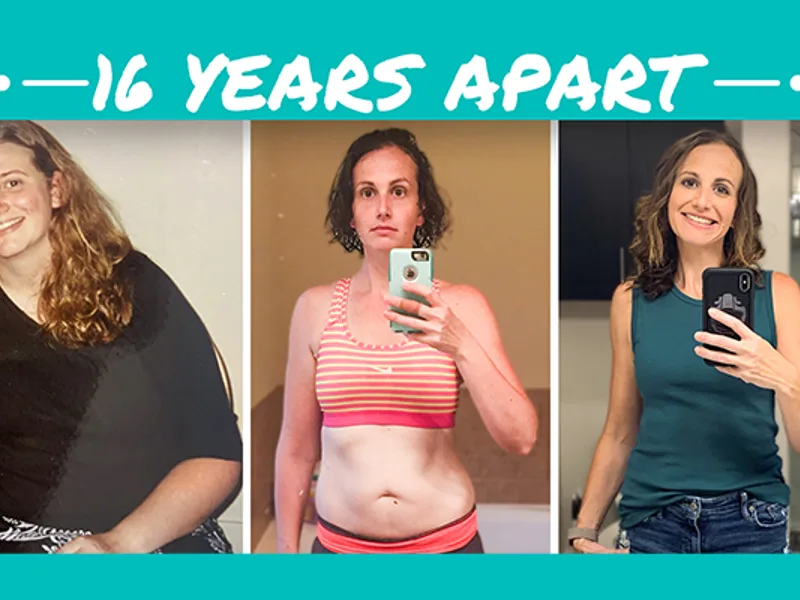
Does intermittent fasting weight loss actually last? A 2026 one-year follow-up study says yes — people who did just 12 weeks of time-restricted eating kept more weight off a full year later than those who got standard diet advice alone. But a separate Cochrane review of nearly 2,000 adults found int
July 23, 2026
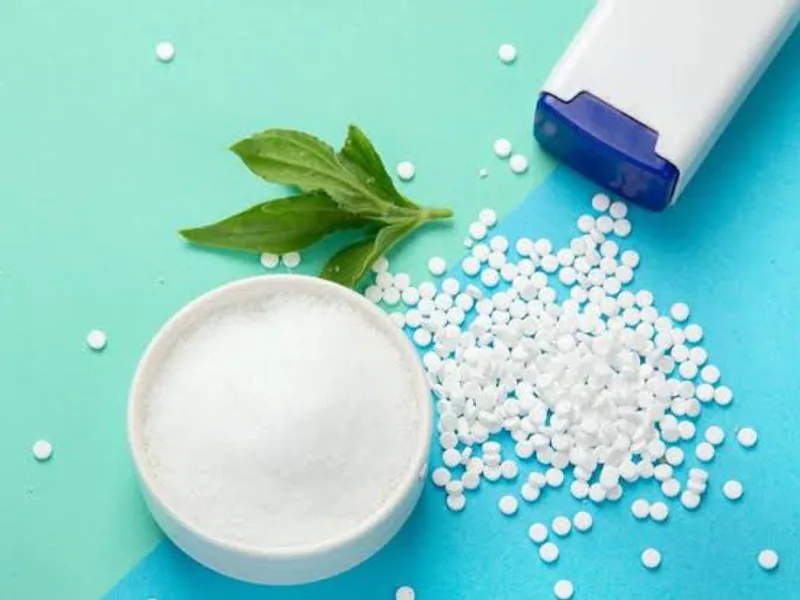
A study of nearly 13,000 Brazilian adults found that people who consumed the most artificial sweeteners had noticeably faster memory and thinking decline over eight years than those who consumed the least. The effect was strongest in adults under 60 and in people with diabetes. Researchers stress th
July 23, 2026
Discover how to find a top nephrologist in Alipurduar. Expert advice on kidney care and choosing the right specialist for your health.
May 20, 2026