

Emergency & Help
24/7 Emergency & General Advisory
🚨 24/7 Medical Emergency
Non-Emergency Advisory
10:00 AM – 6:00 PM, Mon–Sat
For appointments & general queries.
24/7 Emergency & General Advisory
🚨 24/7 Medical Emergency
Non-Emergency Advisory
10:00 AM – 6:00 PM, Mon–Sat
For appointments & general queries.
Explore Chakrasana's benefits for spine, digestion, and mental health. Learn the correct technique with expert guidance from Dr. Himani Bisht.
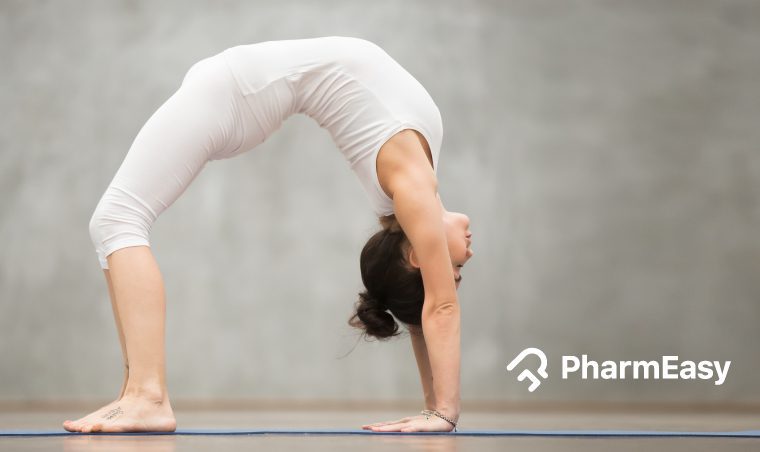
Meena, 45, a homemaker from Jaipur, noticed persistent backaches and a general feeling of lethargy, especially after the monsoon season. Like many, she often felt overwhelmed by daily chores and the demands of family life. Her physician suggested incorporating gentle yoga into her routine, and she was particularly intrigued by the potential of Chakrasana, or the Wheel Pose.
This powerful backbend, often seen in yoga classes across India, promises a cascade of benefits, yet many approach it with trepidation. The reality is, understanding its mechanics and gradually building up to it can transform your physical and mental state.
Integrating yoga into your daily life can be a profound step towards holistic well-being. It’s not just about touching your toes; it’s about creating space, fostering resilience, and connecting mind and body.
In India, where yoga has its ancient roots, these practices are deeply woven into the cultural fabric, offering time-tested methods for wellness.
Chakrasana is an intensive backward bending asana that requires significant strength and flexibility. Its name derives from the Sanskrit words 'Chakra' meaning wheel and 'Asana' meaning pose, aptly describing its shape. This pose is considered a peak pose in many yoga practices, meaning it often requires preparation through other, less demanding movements.
What most people miss: Chakrasana is not merely a physical feat; it is a practice that stimulates the entire body, from the crown of the head to the tips of the toes. It opens up the chest and shoulders, strengthens the arms and legs, and massages the abdominal organs.
This is where most patients struggle.
The physical exertion, coupled with the deep breathing involved, also has a profound impact on the mind, helping to alleviate stress and anxiety.
The benefits of consistently practicing Chakrasana are extensive, touching upon various aspects of wellness. Its ability to strengthen and lengthen the spine is paramount. A healthy spine is the cornerstone of good posture and overall physical function.
This pose actively works to decompress the vertebral column, potentially alleviating common ailments like lower back pain that affects a marked portion of the population. Studies suggest that regular practice of backbends can improve spinal mobility by up to 30% in individuals with sedentary lifestyles.
Beyond spinal health, Chakrasana offers remarkable advantages for your digestive system. The deep arch of the pose massages the abdominal organs, including the stomach, liver, and intestines.
This internal stimulation can aid in improving digestion, relieving constipation, and promoting better nutrient absorption. Given that digestive issues are incredibly widespread in India, with conditions like Irritable Bowel Syndrome (IBS) affecting millions, such a pose can offer tangible relief.
Here's the thing — the impact of Chakrasana extends to your respiratory and circulatory systems as well. By opening the chest cavity, the pose allows for deeper inhalation, increasing lung capacity. This improved oxygenation benefits the entire body, enhancing energy levels and mental clarity.
That alone changes everything.
The pose slightly inverts the body, which can help boost blood circulation, sending oxygenated blood towards the brain. The American Heart Association (AHA) emphasizes the importance of good circulation for cardiovascular health, and yoga, including movements like Chakrasana, can contribute positively.
The benefits are not solely physical. Chakrasana is known for its ability to energize the body and uplift the mood. As a deep backbend, it is believed to stimulate the adrenal glands and the thyroid, potentially aiding in hormonal balance.
It can also work on the higher chakras, particularly the Ajna (third eye) and Sahasrara (crown) chakras, promoting clarity of thought and a sense of spiritual connection. The physical opening of the chest is also linked to emotional release, helping to let go of stored tension and pent-up emotions.
The pose’s energizing nature makes it a fantastic addition to a morning yoga routine, helping to combat fatigue and sluggishness. The IDF (International Diabetes Federation) has highlighted that regular physical activity, including yoga, can play a role in managing blood sugar levels, further underscoring its holistic wellness contribution.
Here's where it gets interesting.
So what does that mean for you? It means that this single pose, when practiced correctly, can be a powerful tool for enhancing both physical vitality and mental resilience.
In today's fast-paced world, stress and anxiety are pervasive. Chakrasana, with its energizing and mood-boosting effects, can serve as an excellent antidote. The deep breathing required synchronizes with the physical movement, activating the parasympathetic nervous system—the body's natural relaxation response.
This can lead to a major reduction in stress hormones like cortisol. A report by The Lancet highlighted the growing evidence linking regular yoga practice to reduced symptoms of depression and anxiety, with over 150 million people globally experiencing these conditions.
Opening the chest area is also cathartic, helping to release emotional blockages that often contribute to stress. The physical challenge of the pose, followed by the sense of accomplishment, builds confidence and self-esteem.
What should you actually do? Begin by focusing on the breath and the sensation in your body, rather than striving for a perfect form.
Mastering Chakrasana requires patience and consistent effort. It is crucial to prepare your body adequately before attempting the full pose. This includes warming up the spine and building strength in the wrists, arms, and shoulders.
This is where most people struggle.
Before attempting Chakrasana, engage in a series of preparatory movements. Gentle spinal twists, Cat-Cow (Marjaryasana-Bitilasana), and Cobra Pose (Bhujangasana) are excellent for warming up the spine.
Movements like Plank Pose (Phalakasana) and Downward-Facing Dog (Adho Mukha Svanasana) build strength in the upper body. Practicing Bridge Pose (Setu Bandhasana) regularly is also a fundamental step towards building the necessary back strength and flexibility.
For individuals who find the full Chakrasana challenging, starting with a supported version or a modified Bridge Pose is highly recommended. Remember, consistency over intensity is the mantra here.
Many Indians, accustomed to sitting on the floor for extended periods, may already possess a certain degree of hip flexibility, but the upper body strength is often the limiting factor.
Wrist and Shoulder Issues: If you have wrist pain or shoulder injuries, avoid this pose or use modifications. Consider placing blocks under your hands for support or focusing on preparatory movements that strengthen these areas without intense pressure.
Neck Sensitivity: For those with neck sensitivity, do not let your head drop back completely. Keep your gaze slightly forward or rest on the crown of your head. Always listen to your body; forcing the pose can lead to injury.
Pregnancy and High Blood Pressure: Chakrasana is generally not recommended during pregnancy or for individuals with uncontrolled high blood pressure or heart conditions. Always consult your doctor before attempting this pose if you have any pre-existing wellness concerns.
Using Props: Blocks can be placed under the hands for added support, reducing the intensity. A strap can be used around the thighs to support maintain hip-width alignment. The International Association of Yoga Therapists (IAYT) often recommends using props to make movements accessible and safe for a wider range of practitioners.
While the information provided here aims to be helpful, it is not a substitute for personalized medical advice. If you are new to yoga, experiencing pain, or have underlying wellness conditions, seeking guidance from a qualified yoga instructor or a healthcare professional is paramount.
They can assess your physical condition, demonstrate proper alignment, and offer modifications tailored to your needs. Remember, safety and mindful practice are the keys to unlocking the full potential of Chakrasana.
That alone changes everything.
Key Takeaways:
Always consult a qualified physician before making any medical decisions.
Visit Hospital
Near You
Does intermittent fasting weight loss actually last? A 2026 one-year follow-up study says yes — people who did just 12 weeks of time-restricted eating kept more weight off a full year later than those who got standard diet advice alone. But a separate Cochrane review of nearly 2,000 adults found int
July 23, 2026

A study of nearly 13,000 Brazilian adults found that people who consumed the most artificial sweeteners had noticeably faster memory and thinking decline over eight years than those who consumed the least. The effect was strongest in adults under 60 and in people with diabetes. Researchers stress th
July 23, 2026
Discover how to find a top nephrologist in Alipurduar. Expert advice on kidney care and choosing the right specialist for your health.
May 20, 2026