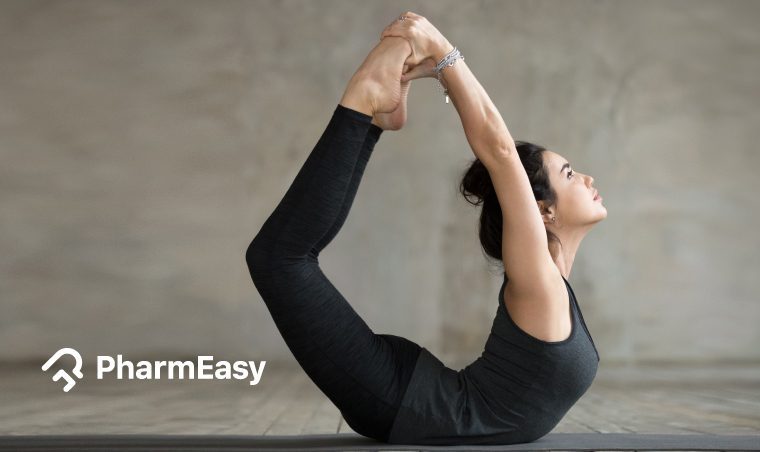
Dhanurasana (Bow Pose): Unlock Your Body's Potential
Meena, 45, a homemaker from Jaipur, noticed a persistent stiffness in her back after long hours of sitting on the floor during family gatherings. She also felt a sluggishness in her digestion, especially after festive meals common during Diwali. Like many, she sought a natural way to alleviate these discomforts and improve her overall well-being.
Yoga, with its ancient wisdom, offered a solution. The Bow Pose is one such asana that can bring about remarkable changes, both physically and mentally.
Honestly, many people associate yoga solely with suppleness, but its benefits extend far beyond that. This posture, in particular, is a powerful pose that strengthens and stretches the entire front of the body, including the ribcage, belly, and quadriceps. Its resemblance to a bow ready to be released gives it its name and its potent effect.
The Profound Benefits of Dhanurasana
When performed regularly and correctly, the Bow Pose offers a cascade of health advantages. Think about it this way: the deep stretch it provides is akin to a full-body massage from the inside out.
- Improved Spinal Flexibility and Strength: This pose is exceptional for increasing the suppleness of the spine. By arching the back, it helps to counteract the effects of prolonged sitting and slouching, which are typical in modern lifestyles. A flexible spine is crucial for preventing back pain. Studies published in The Lancet have highlighted the efficacy of yoga in managing chronic back pain, with poses like the Bow Pose playing a significant role.
- Stimulated Abdominal Organs: The deep compression of the belly in Dhanurasana massages the abdominal organs. This stimulation can significantly optimise digestion and metabolism. For individuals experiencing bloating or constipation, this pose can be incredibly beneficial. It aids in the release of digestive enzymes and promotes better gut health, a concern for a substantial portion of the Indian population dealing with digestive issues.
- Enhanced Respiratory Function: By opening up the ribcage and allowing for a deeper inhalation, the Bow Pose can elevate lung capacity. This expanded thoracic cavity promotes better oxygen intake, which is vital for overall energy levels and cellular health. What most people miss: this improved breathing can also have a calming effect on the nervous system.
- Strengthened Quadriceps and Ankles: Holding the feet in the pose engages and strengthens the thigh muscles (quadriceps) and the muscles around the lower leg joints. This is particularly beneficial for athletes or anyone looking to build lower body strength.
- Stress Relief and Mood Enhancement: Like many yoga poses, Dhanurasana can help to alleviate stress and mild depression. The physical exertion and the focus required can be meditative, while the opening of the ribcage can release pent-up emotional tension. The stretch also increases blood flow to the brain, potentially boosting mood.
- Improved Posture: By strengthening the back muscles and opening the ribcage, the Bow Pose actively works against the tendency to round the shoulders and hunch forward. Consistent performance can lead to a noticeable improvement in overall posture.
- Therapeutic for Mild Thyroid Issues: The gentle pressure on the throat area in this pose is believed by some practitioners to stimulate the thyroid gland, potentially aiding in cases of mild hypothyroidism. However, this is an area where more research is needed.
How to Practice Dhanurasana (Bow Pose) — A Step-by-Step Guide
Dr. Ankit Sankhe, a renowned yoga therapist, emphasizes the importance of proper alignment and breathwork. Here’s how to safely enter and exit the pose:
- Starting Position: Lie down on your stomach on a yoga mat. Keep your legs hip-width apart and your arms alongside your body, palms facing down. Relax your entire body.
- Bending the Knees: Gently bend your knees and bring your heels closer to your buttocks. Reach back with your hands and grasp your feet. If you cannot reach your feet comfortably, you can use a yoga strap around them.
- The Inhale and Lift: Take a deep inhale. As you exhale, simultaneously lift your ribcage and your thighs off the floor. This action will naturally pull your feet towards your head, creating the bow-like shape. Keep your thighs parallel to each other and the floor, as much as possible.
- Engage the Core: Draw your navel gently towards your spine to support your lower back. Look straight ahead or slightly upwards, maintaining a neutral neck position.
- Hold the Pose: Hold Dhanurasana for 5-10 breaths, or as long as you feel comfortable. Focus on expanding your ribcage and feeling the stretch along your entire front body. But why does this happen? The pose actively lengthens the spine while strengthening the posterior chain of muscles.
- Releasing the Pose: As you exhale, gently lower your ribcage and thighs back to the floor. Release your feet. Turn your head to one side and rest, perhaps placing your arms under your forehead.
- Repeat on the Other Side (Optional): While the Bow Pose is a symmetrical pose, some practitioners prefer to repeat the sequence, focusing on different aspects of the stretch.
Remember to breathe deeply throughout the performance. The breath is your anchor, guiding you into and out of the pose with grace and control.
Important Precautions and Contraindications
While Dhanurasana is highly beneficial, it is not suitable for everyone. It’s crucial to listen to your body and avoid pushing yourself beyond your limits. What most people miss: understanding contraindications is as vital as knowing the benefits.
- Pregnancy: Pregnant women should avoid this pose due to the abdominal compression and the deep backbend.
- High Blood Pressure: Individuals with high blood pressure should exercise caution, as the pose can increase blood flow and pressure.
- Neck or Shoulder Injuries: If you have a history of neck or shoulder pain or injury, perform this pose with extreme care or avoid it altogether.
- Recent Abdominal Surgery: Those who have recently undergone abdominal surgery must refrain from performing Dhanurasana until fully healed.
- Severe Lower Back Pain: While it can assist with mild back discomfort, if you have acute or severe lower back pain, consult a doctor or physical therapist before attempting this pose. Over 65 million Indians suffer from back and neck pain annually (AIIMS study, 2022), underscoring the need for caution.
- Hernia: People with a hernia should avoid this pose as it can increase intra-abdominal pressure.
If you experience any sharp pain or discomfort at any point, release the pose immediately. It’s always advisable to perform under the guidance of a qualified yoga instructor, especially when you are beginning.
Here's where it gets interesting.
Tips for Deeper Practice and Modifications
As you become more comfortable with the Bow Pose, you might want to explore ways to deepen the pose or modify it to suit your body’s needs. For instance, during the monsoon season, when joints can feel more stiff, a gentle warm-up is even more critical.
- Using a Strap: If reaching your feet is difficult, a yoga strap is an excellent tool. Loop it around your feet and hold the ends with your hands. This allows you to maintain the pose while gradually increasing suppleness.
- Focus on Breath: Instead of forcing the lift, use your breath to guide you. Inhale to lift, exhale to hold and deepen.
- Gentle Backbend: If a full backbend feels too intense, start by lifting just your ribcage slightly. Gradually increase the lift as your spine becomes more accustomed to the movement.
- Counter-Pose: After releasing Dhanurasana, it’s often beneficial to perform a counter-pose like Marjaryasana (Cat Pose) or Balasana (Child's Pose) to gently stretch the back in the opposite direction and release any tension.
Think about it this way: yoga is a journey, not a destination. Each performance offers an opportunity for growth and self-discovery. The International Diabetes Federation (IDF) has noted the positive impact of regular physical activity, including yoga, on managing diabetes, a condition affecting over 101 million Indians (ICMR, 2023).
The Bow Pose, when performed with awareness and consistency, can be a transformative addition to your wellness routine. It’s a potent reminder of the body’s incredible capacity for strength, suppleness, and resilience.
So what does that mean for you? It means you have a powerful tool at your disposal to enhance your physical health and mental clarity.
Always consult a qualified physician before making any medical decisions.
Key Takeaways
- Dhanurasana (Bow Pose) significantly improves spinal suppleness and strengthens back muscles.
- The pose aids digestion and stimulates abdominal organs, helping with issues like bloating.
- Regular performance can enhance respiratory function by opening the ribcage and increasing lung capacity.
- It strengthens quadriceps and ankles, and helps in improving overall posture.
- Precautions are necessary for individuals with high blood pressure, neck/shoulder injuries, or during pregnancy.