

Emergency & Help
24/7 Emergency & General Advisory
🚨 24/7 Medical Emergency
Non-Emergency Advisory
10:00 AM – 6:00 PM, Mon–Sat
For appointments & general queries.
24/7 Emergency & General Advisory
🚨 24/7 Medical Emergency
Non-Emergency Advisory
10:00 AM – 6:00 PM, Mon–Sat
For appointments & general queries.
Discover how regular physical activity impacts lifespan, improves health, and enhances quality of life. Learn vital exercise tips.
One might ponder why certain individuals appear to age with grace, sustaining vitality well into their senior years. A significant aspect of this phenomenon resides in their consistent engagement with active pursuits.
It is often observed that those who prioritize a consistent fitness regimen tend to experience longer, more robust lives. This observation is not merely anecdotal; robust scientific inquiry, including research from bodies like the National Institutes of Health (NIH) in the US, consistently demonstrates a strong correlation between regular motion and increased lifespan.
From a practical standpoint, consistent movement functions as a potent anti-aging intervention. The focus is not on extreme athletic feats, but rather on regular engagement that maintains optimal bodily and mental function.
Our physiological design inherently calls for motion, and neglecting this fundamental requirement accelerates the aging process.
A crucial manner in which regular training promotes an extended lifespan involves bolstering the cardiovascular system. Consistent aerobic endeavors, such as brisk walking, jogging, swimming, or cycling, enhance cardiac performance and circulatory efficiency. This contributes to reducing elevated blood pressure, clinically termed hypertension, and mitigates the risk of heart disease, a primary global cause of mortality.
Most people overlook this completely.
9 million deaths annually. Adhering to a regular regimen, following guidelines like those from the American Heart Association (AHA) which recommend at least 150 minutes of moderate-intensity aerobic engagement per week, can significantly lessen these risks.
Metabolic well-being is profoundly influenced by consistent physical effort. Such engagement assists in regulating blood sugar levels, which is critical for the prevention or management of type 2 diabetes. India faces a considerable diabetes burden, with an estimated 77 million adults living with the condition (International Diabetes Federation, 2023).
Regular motion improves insulin sensitivity, allowing cells to use glucose more effectively. What's more,, it assists in weight regulation by expending calories and developing muscle mass. Maintaining an optimal body mass is key to averting a cascade of wellness concerns, including obesity, which is linked to numerous chronic conditions.
At a cellular level, why do these changes occur? Regular movement is observed to diminish chronic inflammation, a key contributor to aging and many age-related illnesses. It also fosters cellular repair mechanisms and can even influence telomere length.
It sounds simple. It rarely is.
Telomeres are protective caps situated at the ends of our chromosomes; they shorten as we age, and longer telomeres are associated with slower aging. While further research is warranted, initial findings suggest that consistent bodily engagement might help preserve telomere length, a biomarker of biological aging.
The advantages extend beyond bodily improvements. Individuals who remain engaged often exhibit greater mental acuity and agility; have you considered why? Consistent movement improves cerebral blood flow, supporting cognitive functions like memory, attention, and processing speed.
Studies published in journals like *The Lancet* have indicated that regular engagement can reduce the danger of cognitive decline and dementia. For instance, a meta-analysis of 15 studies found that those engaging in consistent motion had a 35% lower danger of developing dementia compared to their sedentary counterparts. Preserving cognitive vitality is as crucial as bodily well-being for overall lifespan and quality of life.
As individuals age, preserving muscle tissue and bone mineral density becomes increasingly vital. Sarcopenia, the age-related reduction in muscle mass, and osteoporosis, a issue characterized by weakening bones, can lead to frailty, falls, and fractures, significantly impacting independence and overall quality of existence. Resistance training regimens, such as lifting weights or utilizing resistance bands, are proven to develop and preserve muscle tissue and bone mineral density.
Recovery is rarely linear.
Incorporating these pursuits, coupled with aerobic movement, offers a holistic strategy for optimal aging. The Indian Council of Medical Research (ICMR) emphasizes the importance of lifestyle interventions, including consistent movement, for healthy aging.
This form of movement elevates one's heart rate and breathing for a sustained duration. Aim for at least 150 minutes of moderate-intensity aerobic endeavors (like brisk walking, where conversation is possible but singing is not) or 75 minutes of intense physical exertion (like running) each week. Examples include:
Resistance training involves working one's muscles against opposition. This is vital for preserving muscle tissue, bone mineral density, and metabolic efficiency. Aim to include resistance-based routines targeting major muscle groups at least two days per week. Examples include:
While not directly linked to lifespan in the same manner as cardiovascular conditioning, enhancing flexibility and balance is crucial for averting falls and maintaining mobility, particularly for older adults. This improves the quality of daily life and diminishes injury possibility. Practices such as yoga and Tai Chi are particularly effective here.
Here's where it gets interesting.
A fall can represent a major setback, leading to reduced mobility and increased dependence. Investing in balance-focused movements is an investment in sustained independence.
If new to regular movement, do not feel overwhelmed. Initiate with short, manageable sessions. Even 10-15 minutes of walking daily can yield positive effects.
Gradually increase the duration and intensity as your physical issue improves. Consistency proves far more impactful than sporadic, intense training sessions. Consider it akin to watering a plant; regular small applications foster the best growth.
The most impactful routine is the one that will be sustained. Explore various pursuits until something feels less like an obligation and more like a pleasure. Perhaps joining a local walking group, engaging in gardening, or trying a dance class appeals to you. Enjoyment serves as a powerful motivator.
Connect your fitness regimen with existing daily habits. For example, take a walk immediately after your morning tea or perform a few stretches while viewing your favorite television program.
In practical terms, incorporating motion seamlessly into your day renders it sustainable. It is often found that individuals who plan their training sessions, treating them like any other important appointment, achieve greater success.
Paying attention to your body's signals is vital. Rest when necessary, and avoid pushing through pain. If pre-existing medical conditions are present, consult with your doctor before commencing a new movement regimen. Collaborating with a physiotherapist can be beneficial for tailoring an activity strategy.
That's the part worth remembering.
Many individuals recount how adopting regular movement transformed their lives. Consider Mrs. Sharma, a 68-year-old from Delhi diagnosed with hypertension. Initially apprehensive regarding physical training, she commenced with daily walks and gentle yoga.
Within six months, her blood pressure readings improved significantly, and she reported feeling more energetic and less stressed. Her physician observed a remarkable enhancement in her general well-being indicators. Her experience mirrors that of countless others who discover a resurgence of vigor through regular engagement.
Navigating chronic conditions such as arthritis or diabetes can be genuinely challenging, affecting everyday tasks and mood. However, many discover that customized movement plans not only manage their symptoms but also elevate their confidence and sense of well-being.
Support groups frequently share advice on sustaining motivation, transforming physical training from a requirement into a joyful component of life.
Embracing an engaged way of life is among the most impactful choices one can make for their well-being and lifespan. It represents a journey of self-care that yields profound rewards, enabling individuals to live not just longer, but better. Let us move towards a more vital, flourishing future, together!
And yet, so many people miss it.
Always consult a qualified physician before making medical decisions.
Yes, individuals with diabetes can consume rice, but moderation and portion control are essential. Opt for brown rice over white rice when feasible, as it possesses a lower glycemic index and more fiber. Monitoring blood sugar levels after consuming rice is also advisable to understand its impact on your body.
Overtraining can result in fatigue, injury, and burnout. While the general recommendation is 150 minutes of moderate aerobic endeavors or 75 minutes of intense engagement per week, listening to your body is crucial.
Indications of overtraining include persistent fatigue, diminished performance, mood disturbances, and increased susceptibility to illness. Rest and recovery are as key as the training itself.
No, it is never too late to begin a movement regimen and acquire its well-being advantages. Even initiating later in life can significantly improve cardiac well-being, muscular vigor, balance, and cognitive function, contributing to an extended and enhanced quality of existence.
Consulting a doctor to formulate a safe and appropriate plan is the initial step.
A well-rounded routine incorporating aerobic pursuits (like brisk walking or swimming), resistance training (using weights or resistance bands), and balance/flexibility work (like yoga or Tai Chi) is most beneficial for lifespan. This combination addresses cardiac well-being, muscle and bone density, and mitigates the danger of falls.
Here's where it gets interesting.
Visit Hospital
Near You
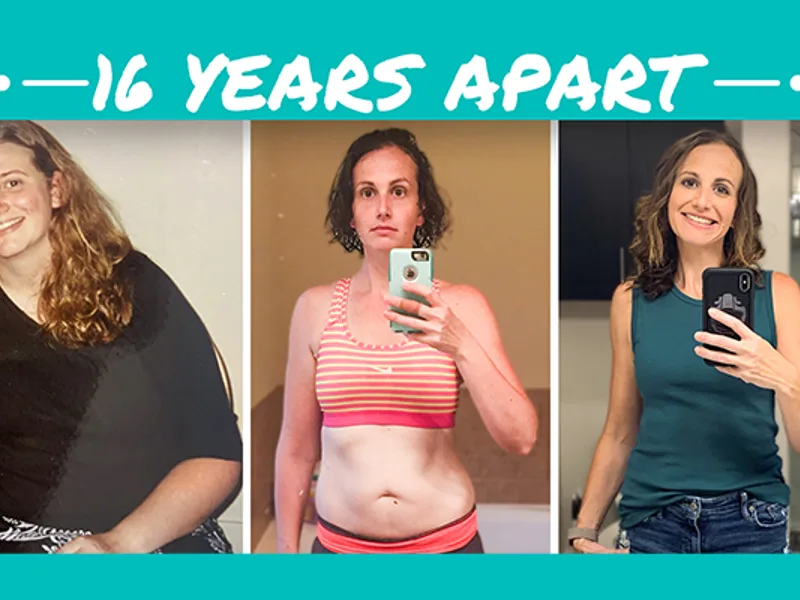
Does intermittent fasting weight loss actually last? A 2026 one-year follow-up study says yes — people who did just 12 weeks of time-restricted eating kept more weight off a full year later than those who got standard diet advice alone. But a separate Cochrane review of nearly 2,000 adults found int
July 23, 2026

A study of nearly 13,000 Brazilian adults found that people who consumed the most artificial sweeteners had noticeably faster memory and thinking decline over eight years than those who consumed the least. The effect was strongest in adults under 60 and in people with diabetes. Researchers stress th
July 23, 2026
Discover how to find a top nephrologist in Alipurduar. Expert advice on kidney care and choosing the right specialist for your health.
May 20, 2026