

Emergency & Help
24/7 Emergency & General Advisory
🚨 24/7 Medical Emergency
Non-Emergency Advisory
10:00 AM – 6:00 PM, Mon–Sat
For appointments & general queries.
24/7 Emergency & General Advisory
🚨 24/7 Medical Emergency
Non-Emergency Advisory
10:00 AM – 6:00 PM, Mon–Sat
For appointments & general queries.
Discover 8 gentle exercises to ease menstrual discomfort. Learn how yoga, walking, and stretching can provide natural relief from period pain.
Meena, 45, a homemaker from Jaipur, noticed her monthly cycle discomfort was becoming increasingly debilitating. The monthly ordeal often confined her to bed, impacting her household chores and overall mood. "I tried every over-the-counter painkiller, but nothing seemed to offer lasting comfort," she confided.
" This is a story echoed by millions of individuals across India and the world, who grapple with the often-severe discomfort associated with menstruation. While medication has its place, an increasing body of evidence suggests that mindful physical activity can be a powerful ally in managing period pain.
Menstrual cramps, medically known as dysmenorrhea, are caused by uterine contractions. These contractions are triggered by hormone-like substances called prostaglandins. High levels of these substances lead to more intense contractions and pain.
For many, this pain can range from a dull ache to severe, debilitating spasms, often accompanied by bloating, fatigue, and mood swings. What should you actually do when faced with this monthly challenge? While popping a painkiller might be the immediate go-to, incorporating specific movements can offer a more holistic and sustainable approach to comfort.
That's the part worth remembering.
Think about it this way: movement releases endorphins, the body's natural painkillers, and can also benefit reduce inflammation and improve blood flow, which are crucial for easing uterine contractions. The key is to choose activities that are mild and don't exacerbate discomfort.
High-intensity workouts might not be ideal during your period, especially if you're experiencing significant pain. Instead, focusing on activities that promote relaxation, elevate flexibility, and encourage circulation can make a world of difference.
But why does this happen? Research published in journals like The Lancet has explored the physiological benefits of movement for individuals experiencing dysmenorrhea. Studies suggest that regular aerobic activity can enable reduce the severity of menstrual pain by improving cardiovascular health and increasing the body's pain threshold. What's more,, movement helps regulate hormones, including those that contribute to pain and inflammation. A study by the International Journal of Environmental Research and Public Health found that individuals who engaged in regular physical activity reported significantly less menstrual pain compared to sedentary individuals. It's estimated that over 50% of individuals experience some form of menstrual pain each month, making this a widespread concern that requires accessible solutions.
Here's the thing — you don't need to be a seasoned athlete to benefit. The focus is on consistency and choosing movements that feel good for your body. Even simple activities can yield meaningful results. Let's explore some of the most effective mild movements:
Walking is perhaps the most accessible form of movement. A brisk 20-30 minute walk can significantly boost blood circulation, including to the pelvic region, which can support alleviate cramping. It also triggers the release of endorphins.
It sounds simple. It rarely is.
Aim for a pace that feels comfortable but still elevates your heart rate slightly. Don't underestimate the power of a stroll, especially during the monsoon season when outdoor activities might be limited; even a walk around a large indoor space can be beneficial.
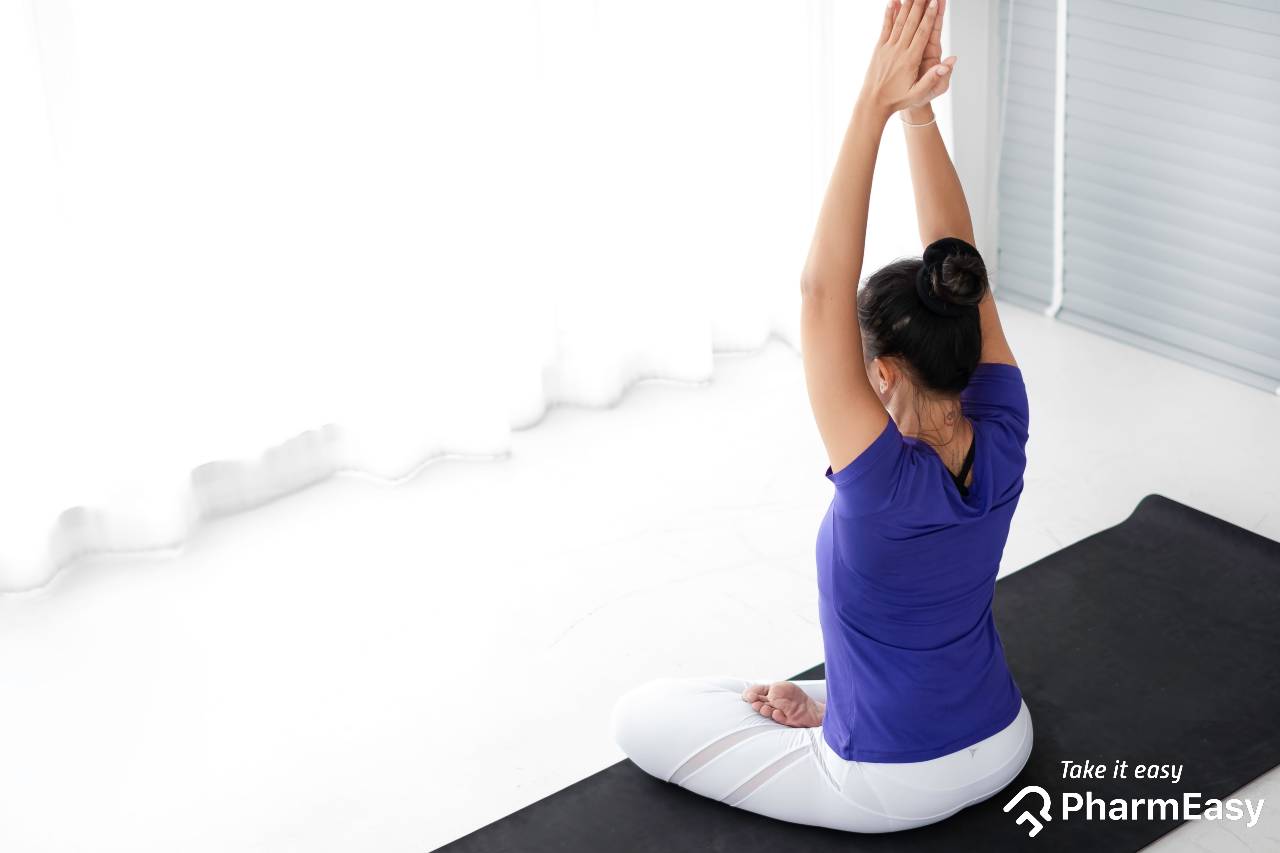
Yoga is a fantastic choice for menstrual discomfort. Certain poses can gently stretch abdominal muscles, relieve tension in the lower back, and promote relaxation. Poses like Cat-Cow (Marjaryasana-Bitilasana), Child's Pose (Balasana), and Supine Spinal Twist (Supta Matsyendrasana) are particularly beneficial. Cat-Cow gently massages the abdominal organs and relieves lower back pain.
Child's Pose offers a calming effect and gentle stretching. The Supine Spinal Twist can support release tension in the back and abdomen. Practicing yoga for even 15-20 minutes daily can make a noticeable difference. Many individuals find that incorporating yoga into their routine, perhaps even during their festival diet periods when they might be more sedentary, helps them manage their cycles better.
What most people miss is that yoga also incorporates breathwork (pranayama), which can induce a state of calm and reduce stress hormones that can sometimes worsen pain perception. According to a survey, approximately 65% of individuals who regularly practice yoga report a reduction in the intensity of their menstrual cramps.
It sounds simple. It rarely is.
Mild stretching can support release tension in the abdominal and lower back muscles, common areas of discomfort during menstruation. Focus on slow, controlled movements. Examples include:
These stretches should feel soothing, not painful. Holding each stretch for about 30 seconds and repeating 2-3 times can be reliable. A study published in the *Journal of Bodywork and Movement Therapies* indicated that regular stretching can boost flexibility and reduce muscle soreness, which can be beneficial for menstrual pain.
Activities like light jogging, cycling (at a mild pace), or even dancing can optimise blood flow throughout the body. This enhanced circulation can support deliver oxygen to the uterus and surrounding tissues, potentially reducing pain. Aim for 30 minutes of light aerobic activity on days you feel up to it.
The key here is 'light' – listen to your body and avoid pushing yourself too hard. The World Health Organization (WHO) recommends at least 150 minutes of moderate-intensity aerobic activity per week for general health, and adapting this to mild forms during menstruation is a wise approach.
Pilates focuses on core strength, flexibility, and controlled movements. Certain Pilates exercises can benefit strengthen the pelvic floor and abdominal muscles, which can indirectly support the uterus and potentially ease cramping. Exercises like the Pelvic Curl and the Hundred (modified for comfort) can be beneficial.
That's the part worth remembering.
Pilates emphasizes mindful movement, which can also contribute to stress reduction. While less directly studied for period pain than yoga, its focus on core stability and body awareness is undoubtedly helpful.
Swimming is an excellent low-impact movement that can provide meaningful comfort without putting stress on your joints. The buoyancy of the water can reduce pressure on your abdomen and back, while the mild movement promotes circulation and endorphin release.
Even a leisurely swim for 30 minutes can be incredibly beneficial. Honestly, it’s one of the best ways to move your body when you feel heavy or achy.
While not strictly 'movement' in the traditional sense, deep breathing techniques are vital for managing pain and stress. Practicing diaphragmatic breathing (belly breathing) can assist calm the nervous system, reduce muscle tension, and increase oxygen intake. This can directly impact your perception of pain.
Spend 5-10 minutes several times a day focusing on slow, deep inhales and exhales. This simple practice is accessible anywhere, whether you're sitting on the floor after a meal or resting in bed.
Tai Chi involves slow, flowing movements combined with deep breathing. This practice is known for its stress-reducing benefits and its ability to elevate balance and flexibility. The mild, continuous motion can enable optimise circulation and release muscle tension without being strenuous.
Most people overlook this completely.
Its meditative quality can also enable distract from pain and promote a sense of well-being. Practicing Tai Chi for 20-30 minutes can be a calming and reliable way to manage discomfort.
It's crucial to listen to your body. If any movement causes increased pain, stop immediately. The goal is comfort, not exertion.
Hydration is also key; drinking plenty of water can assist reduce bloating and cramping. Maintaining a balanced diet, rich in magnesium and calcium, may also contribute to easing menstrual discomfort. Some individuals find comfort by sitting on the floor with their legs extended or in a cross-legged position for short periods, which can offer a sense of grounding and mild pressure release.
Remember that consistency is more vital than intensity. Even short, regular sessions of mild movement can lead to marked improvements over time.
For severe or persistent menstrual pain that interferes with daily life, seeking professional medical advice is paramount. Institutions like the All India Institute of Medical Sciences (AIIMS) offer specialized care for gynecological issues.
Always consult a qualified physician before making any medical decisions.
Visit Hospital
Near You

Does intermittent fasting weight loss actually last? A 2026 one-year follow-up study says yes — people who did just 12 weeks of time-restricted eating kept more weight off a full year later than those who got standard diet advice alone. But a separate Cochrane review of nearly 2,000 adults found int
July 23, 2026

A study of nearly 13,000 Brazilian adults found that people who consumed the most artificial sweeteners had noticeably faster memory and thinking decline over eight years than those who consumed the least. The effect was strongest in adults under 60 and in people with diabetes. Researchers stress th
July 23, 2026
Discover how to find a top nephrologist in Alipurduar. Expert advice on kidney care and choosing the right specialist for your health.
May 20, 2026