

Emergency & Help
24/7 Emergency & General Advisory
🚨 24/7 Medical Emergency
Non-Emergency Advisory
10:00 AM – 6:00 PM, Mon–Sat
For appointments & general queries.
24/7 Emergency & General Advisory
🚨 24/7 Medical Emergency
Non-Emergency Advisory
10:00 AM – 6:00 PM, Mon–Sat
For appointments & general queries.
Discover the powerful benefits of High-Intensity Interval Training (HIIT). Enhance your fitness, burn fat, and improve health efficiently.
Many individuals seek efficient strategies to improve their physical condition and overall well-being. High-Intensity Interval Training (HIIT) presents a potent solution. This dynamic method involves alternating short, vigorous bursts of anaerobic activity with brief periods of active rest.
For example, one might push their body to its maximum for a minute, then take 30 seconds to recuperate. Repeating this cycle yields workouts that are shorter but highly impactful.
Across India, where active lifestyles must often balance with demanding schedules, HIIT has gained significant popularity. Its capacity to deliver substantial physiological gains in minimal time makes it ideal for a diverse population.
The World Health Organization (WHO) advises at least 150 minutes of moderate-level aerobic activity weekly. Individuals can achieve this target more rapidly through high-intensity interval approaches.
What accounts for HIIT's remarkable power? During vigorous intervals, the body demands more oxygen than it can immediately supply. This creates an oxygen deficit, initiating the 'afterburn effect,' scientifically termed EPOC (Excess Post-oxygen Consumption).
Here's where it gets interesting.
For hours following the session, metabolism remains elevated, leading to increased calorie expenditure even at rest. This provides a critical advantage over steady-state cardiovascular training.
From a practical standpoint, this means meaningful outcomes can be achieved in a 20-30 minute HIIT session, a duration that might require an hour of moderate cardio. The high degree of effort triggers a cascade of physiological adaptations.
The cardiovascular system becomes more robust, and the body's cells become more efficient at utilizing oxygen. This dual benefit is essential for comprehensive physical conditioning.
HIIT is exceptionally effective at strengthening the heart. Studies published in the Journal of the American College of Cardiology consistently demonstrate improvements in VO2 max, a key indicator of cardiorespiratory capacity. For instance, a meta-analysis revealed that HIIT can increase VO2 max by up to 10% more than traditional endurance regimens.
Individuals often find that regular moderate physical activity does not produce the rapid advancements they desire. HIIT provides that additional stimulus.
It aids in lowering resting heart rate and blood pressure, thereby reducing the risk of heart disease. The Indian Council of Medical Research (ICMR) highlights the increasing prevalence of cardiovascular diseases in India, positioning high-intensity interval training as a valuable preventative tool.
One of the most sought-after benefits of HIIT is its profound impact on fat loss. The vigorous bursts of activity burn a high number of calories in a short timeframe.
Crucially, the EPOC effect means the body continues to oxidize fat long after the session concludes. Research indicates that this training style can be more powerful for fat reduction than moderate-level continuous training, even when total calorie expenditure is comparable.
Consider this: a typical HIIT session might burn 200-300 calories. However, the EPOC effect can contribute an additional 100-200 calories to that total over the subsequent 24 hours.
This sustained metabolic boost is vital for managing body weight. For many individuals struggling with weight, this efficient fat-burning mechanism represents a considerable advancement.
Living with conditions such as pre-diabetes or type 2 diabetes presents genuine challenges. High-intensity interval training can play a crucial role in regulating blood sugar levels.
It significantly enhances insulin sensitivity, meaning the body's cells respond more effectively to insulin. This facilitates better glucose uptake into cells, which in turn lowers blood sugar concentrations.
Here's where it gets interesting.
According to the International Diabetes Federation (IDF), India has the second-highest number of adults living with diabetes globally, estimated at 77 million in 2023. Improving insulin sensitivity through physical activity like HIIT is a critical strategy. A study in Diabetes Care found that HIIT interventions led to a notable reduction in HbA1c levels.
While frequently associated with fat burning, HIIT can also contribute to the maintenance and even development of lean tissue, particularly when integrated with resistance work. The high level of exertion stimulates muscle fibers, prompting their repair and strengthening.
Unlike prolonged steady-state cardio, which can sometimes lead to lean tissue depletion if not managed appropriately, HIIT’s shorter duration minimizes this chance.
What does this imply for individuals? One can enhance body composition—reducing adiposity while preserving or building lean body mass. This is essential for boosting metabolic rate and improving overall functional power. The key lies in appropriate programming and adequate restoration.
In contemporary fast-paced lifestyles, allocating time for physical activity poses a major obstacle. HIIT workouts are typically brief, often lasting between 10 to 30 minutes.
This makes them remarkably convenient to incorporate into even the busiest schedules. A quick high-intensity session before work or during a lunch break can yield substantial health advantages.
Consider it akin to preparing a quick, strong cup of tea—potent and proven in a short timeframe. This time efficiency renders HIIT a sustainable choice for many who previously found it challenging to commit to longer activity routines.
The WHO’s recommendation of 150 minutes of moderate activity can be fulfilled with just 75 minutes of vigorous exertion, readily achievable with HIIT.
A typical HIIT workout involves alternating periods of high-level exertion with low-level rest periods. The work-to-rest ratio can vary based on an individual's physical capacity and the specific type of activity. Common ratios include 2:1 (e.g., 40 seconds of work, 20 seconds of rest) or 1:1 (e.g., 30 seconds of work, 30 seconds of rest).
This is where most patients struggle.
It is vital to select activities that can be performed with proper biomechanics, even at high exertion levels. Correct technique prevents injuries. Remember, quality of movement supersedes quantity.
A thorough warm-up is essential before initiating any high-intensity session. This prepares the musculature and cardiovascular system for the demanding effort ahead, thereby reducing injury potential. Incorporate light cardio and dynamic stretching.
Similarly, a cool-down period is crucial for gradually lowering the heart rate and allowing the body to recuperate. Static stretching post-workout can contribute to improved flexibility.
HIIT is adaptable and can be modified for various levels of physical conditioning. However, it represents a vigorous form of physical exertion.
Individuals with pre-existing medical conditions—such as cardiac issues, severe joint problems, or uncontrolled hypertension (high blood pressure)—should consult their physician before commencing such a regimen.
For novices, beginning with shorter work intervals and longer rest periods is advisable. Gradually increase the vigor and duration as physical capacity improves. Paying attention to one's body signals is paramount.
Due to its elevated effort level, HIIT carries a greater chance of injury if performed incorrectly or without adequate preparation. Overtraining is also a concern. Pushing too hard too soon can lead to exhaustion and physical harm.
The numbers don't lie.
Always prioritize proper form. If sharp discomfort occurs, cease the activity immediately. Sufficient rest and recuperation between sessions are non-negotiable for safely realizing the advantages. Many specialists recommend no more than 3 HIIT sessions per week, allowing for rest days.
Initiating a HIIT program does not necessitate a gym membership. Many proven workouts can be conducted at home with minimal or no equipment. Consistency holds more importance than the training location.
Individuals often jump into vigorous routines too quickly. A gradual progression is far more sustainable. Begin with one or two sessions per week and incrementally build from there. Complement high-intensity interval training with moderate activities like walking or yoga for a balanced physical plan.
HIIT offers a time-efficient and highly impactful method to enhance cardiovascular function, accelerate fat reduction, boost insulin sensitivity, and boost overall physical capacity. Its adaptability makes it accessible to many, provided appropriate precautions are observed.
This is where most people struggle.
By understanding the principles and integrating it judiciously, HIIT can become a cornerstone of one's journey toward improved well-being.
Remember, consistency and attentiveness to your body are paramount. Embrace the challenge, and enjoy the remarkable benefits this potent training style provides!
Key Takeaways:
Yes, individuals with diabetes can eat rice, but moderation and portion control are vital. Opt for brown rice or basmati rice, which have a lower glycemic index than white rice. Monitoring blood sugar levels after consumption helps understand individual responses.
HIIT can be safe for beginners if modified appropriately. Start with shorter work intervals, longer rest periods, and lower-impact movements. Consulting a physical activity professional or physician is highly recommended before starting any new vigorous training program.
For most individuals, 2-3 HIIT sessions per week are sufficient to see benefits while allowing for adequate recuperation. Experienced athletes might tolerate more, but rest days are crucial for lean tissue repair and preventing overtraining. Listen to your body and adjust frequency as needed.
reliable HIIT activities for weight loss include burpees, jump squats, high knees, mountain climbers, and sprints on a bike or treadmill. The key is to choose movements that engage large muscle groups and elevate the heart rate quickly. Combining these with a balanced diet maximizes results.
And yet, so many people miss it.
Always consult a qualified physician before making medical decisions.Visit Hospital
Near You
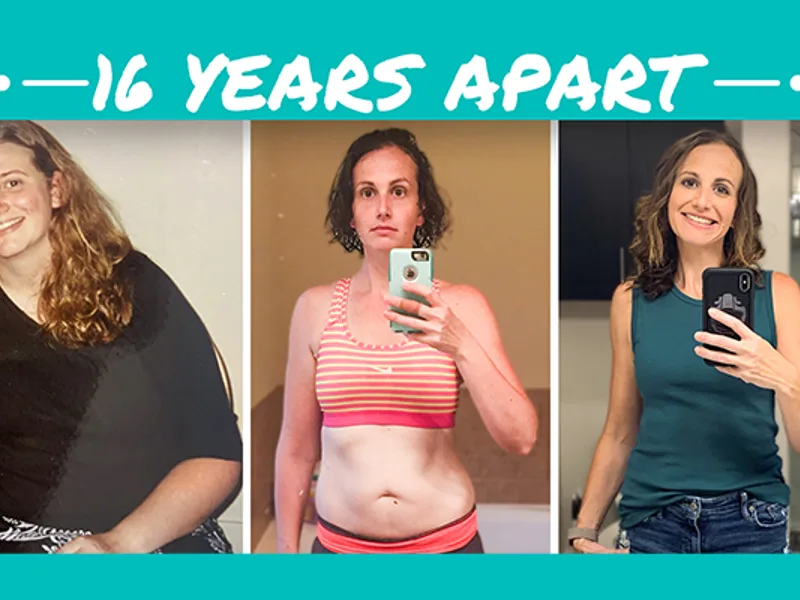
Does intermittent fasting weight loss actually last? A 2026 one-year follow-up study says yes — people who did just 12 weeks of time-restricted eating kept more weight off a full year later than those who got standard diet advice alone. But a separate Cochrane review of nearly 2,000 adults found int
July 23, 2026
A study of nearly 13,000 Brazilian adults found that people who consumed the most artificial sweeteners had noticeably faster memory and thinking decline over eight years than those who consumed the least. The effect was strongest in adults under 60 and in people with diabetes. Researchers stress th
July 23, 2026
Discover how to find a top nephrologist in Alipurduar. Expert advice on kidney care and choosing the right specialist for your health.
May 20, 2026