

Emergency & Help
24/7 Emergency & General Advisory
🚨 24/7 Medical Emergency
Non-Emergency Advisory
10:00 AM – 6:00 PM, Mon–Sat
For appointments & general queries.
24/7 Emergency & General Advisory
🚨 24/7 Medical Emergency
Non-Emergency Advisory
10:00 AM – 6:00 PM, Mon–Sat
For appointments & general queries.
Discover the benefits of Katichakrasana (Standing Spinal Twist). Learn how this simple yoga pose can improve digestion, relieve back pain, and boost energy.
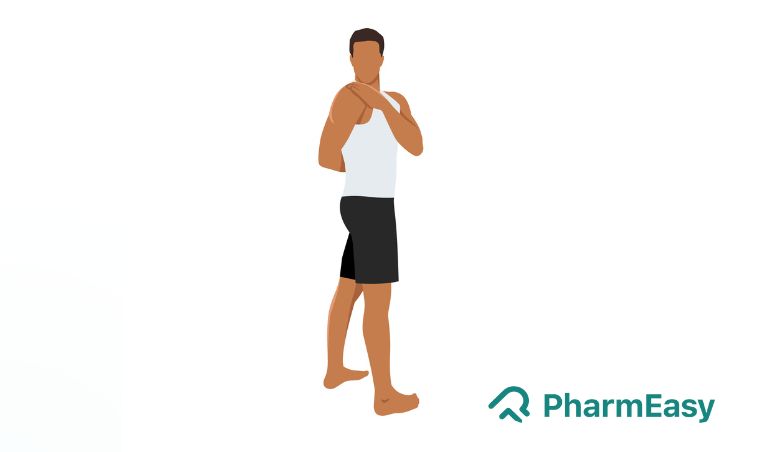
Meena, 45, a homemaker from Jaipur, noticed a persistent dull ache in her lower back after long hours spent sitting on the floor during family gatherings. Coupled with occasional indigestion, she felt sluggish and uninspired.
Like many, she sought a natural remedy, something that could offer relief without resorting to medication. Her search led her to Katichakrasana, the Standing Spinal Rotation pose, a practice often overlooked in its simplicity yet profound in its effects.
This ancient yogic posture, deeply rooted in Indian traditions, offers a remarkable array of physical and mental advantages. Practiced correctly, it can be a powerful tool for enhancing spinal well-being, improving digestive function, and promoting overall well-being.
What most people miss: the sheer accessibility of this pose makes it an ideal starting point for those new to yoga or seeking gentle therapeutic movement.
The gentle yet effective rotating action of Katichakrasana works wonders on various systems within the body. Its primary appeal lies in its ability to invigorate the spine and its surrounding structures.
This is where most patients struggle.
Our spines are crucial for posture, movement, and protecting the spinal cord. Daily activities, prolonged sitting, or even stress can lead to stiffness and discomfort. Katichakrasana actively combats this by increasing the flexibility of the vertebral column.
The rotation helps to lubricate the spinal joints, reducing stiffness and potentially alleviating chronic back pain. Research from the Indian Spinal Injury Centre (ISIC) suggests that regular vertebral column mobility exercises can reduce the incidence of lower back pain by up to 50% in sedentary populations.
Worth knowing: This pose specifically targets the lumbar and thoracic regions of the spine, areas often prone to tension. The rotating motion encourages the intervertebral discs to receive fresh nutrients and expel waste products, a process vital for their long-term health.
The rotating motion in Katichakrasana gently massages the abdominal organs, including the stomach, intestines, and liver. This compression and release action can stimulate peristalsis—the wave-like muscle contractions that move food through the digestive tract.
Here's where it gets interesting.
Improved peristalsis can lead to more efficient digestion, reduced bloating, and relief from constipation. In India, where traditional diets often include rich spices and heavier meals, particularly during festivals like Diwali, maintaining good digestive well-being is paramount.
Practically speaking, the pose aids in the detoxification process by encouraging the flushing out of toxins from the digestive system. Studies published in the 'Journal of Ayurveda and Integrative Medicine' have highlighted the efficacy of such abdominal massages in promoting gut health.
While not a strenuous strengthening pose, Katichakrasana engages the abdominal muscles and obliques to facilitate and stabilize the rotation. Consistent practice helps to build a subtle yet significant strength in the core musculature.
A stronger core provides better support for the spine, leading to improved posture and a reduction in slouching. This, in turn, can alleviate pressure on the back and neck.
Like many yoga poses, the physical act of rotating, combined with mindful breathing, helps to release tension held in the body—often a physical manifestation of stress. The focus required to maintain the pose redirects the mind from worries and anxieties, promoting a sense of calm.
Most people overlook this completely.
Deep breathing associated with the practice increases oxygen supply to the brain, fostering mental clarity and reducing feelings of fatigue.
But why does this happen? The parasympathetic nervous system, responsible for the 'rest and digest' response, is activated through controlled breathing and mindful movement, counteracting the 'fight or flight' response associated with stress.
The rotating action can also benefit the circulatory system. By compressing and releasing blood vessels in the torso, the pose encourages better blood flow to and from the abdominal organs and the rest of the body. Enhanced circulation ensures that tissues receive adequate oxygen and nutrients, promoting cellular well-being and faster recovery.
Dr. Ankit Sankhe, a renowned yoga therapist, emphasizes the importance of correct alignment and mindful execution to reap the full benefits of Katichakrasana.
Step 1: Starting Position
Stand with your feet hip-width apart. Ensure your weight is evenly distributed across both feet. You can place your hands on your hips initially for stability, or let them hang loosely by your sides.
Step 2: Gentle Neck and Shoulder Relaxation
Gently relax your neck and shoulders. Take a deep breath in, expanding your chest.
Step 3: The Rotation
As you exhale, begin to rotate your torso to the right. Keep your hips facing forward as much as possible; the rotation should originate from the waist and upper back, not the hips. Imagine your spine elongating with each inhale and rotating a little deeper with each exhale. Your shoulders should remain relaxed and not hunch towards your ears.
Step 4: Arm Placement
There are variations for arm placement. A common method involves bringing your left hand to the outside of your right knee or thigh, and your right arm can extend upwards or rest on your hip.
Another popular variation, particularly favored by practitioners who feel more stable, is to place the right hand on the left knee and the left hand on the right knee, gently pushing to deepen the rotation. Avoid forcing the rotation.
Recovery is rarely linear.
Step 5: Gaze
Your gaze can be directed forward, or gently turned over your right shoulder, following the line of your rotation. Ensure your neck is comfortable and not strained.
Step 6: Holding the Pose
Hold the pose for 3-5 deep breaths, breathing steadily. With each inhale, lengthen your spine; with each exhale, deepen the rotation slightly.
Step 7: Returning to Center
Inhale and slowly return your torso to the center. Take a moment to feel the effects of the rotation.
Step 8: Repeat on the Other Side
Exhale and repeat the rotation on the left side, following the same steps. Hold for 3-5 breaths and then return to center.
What should you actually do? Practice this pose daily, ideally in the morning on an empty stomach for maximum digestive benefits. Aim for 3-5 rounds on each side.
While Katichakrasana is generally safe, certain precautions are necessary. Individuals with recent abdominal surgery, severe osteoporosis, or acute back injuries should avoid this pose or seek guidance from a physiotherapist or yoga instructor.
Pregnant women should consult their doctor before attempting any twisting poses. The World Health Organization (WHO) recommends consulting a healthcare provider for personalized advice regarding yoga practice during pregnancy.
If you experience any sharp pain, ease out of the pose immediately. The key is gentle movement, not force. Modifications can include reducing the depth of the rotation or using a wall for support if balance is an issue. For those with knee pain, placing a folded blanket or cushion under the knees can provide comfort.
The breath is integral to Katichakrasana. Deep, conscious breathing enhances the pose's effectiveness. Inhaling expands the chest and lengthens the spine, creating space for the rotation.
Exhaling allows for a deeper, more relaxed rotation. This synchronisation of breath and movement, known as Vinyasa, is a cornerstone of many yoga practices and has been shown to improve respiratory function, with studies from the All India Institute of Medical Sciences (AIIMS) demonstrating meaningful lung capacity improvements in regular practitioners.
Recovery is rarely linear.
Katichakrasana, the Standing Spinal Rotation, is more than just a yoga posture; it's an accessible pathway to enhanced physical well-being and mental well-being. Its ability to relieve back pain, boost digestion, strengthen the core, and reduce stress makes it an invaluable addition to any wellness routine.
With over 101 million Indians estimated to have diabetes (ICMR, 2023), focusing on lifestyle interventions like yoga that optimise metabolic well-being and digestion is increasingly vital.
By incorporating this simple yet powerful rotation into your daily life, you can unlock a more flexible, pain-free, and energetic existence. Remember, consistency is key.
Even a few minutes each day can yield marked results over time. The International Diabetes Federation (IDF) also highlights the role of lifestyle modifications in managing and preventing chronic diseases, underscoring the importance of practices like yoga.
Always consult a qualified physician before making any medical decisions.
Visit Hospital
Near You

Does intermittent fasting weight loss actually last? A 2026 one-year follow-up study says yes — people who did just 12 weeks of time-restricted eating kept more weight off a full year later than those who got standard diet advice alone. But a separate Cochrane review of nearly 2,000 adults found int
July 23, 2026

A study of nearly 13,000 Brazilian adults found that people who consumed the most artificial sweeteners had noticeably faster memory and thinking decline over eight years than those who consumed the least. The effect was strongest in adults under 60 and in people with diabetes. Researchers stress th
July 23, 2026
Discover how to find a top nephrologist in Alipurduar. Expert advice on kidney care and choosing the right specialist for your health.
May 20, 2026