

Emergency & Help
24/7 Emergency & General Advisory
🚨 24/7 Medical Emergency
Non-Emergency Advisory
10:00 AM – 6:00 PM, Mon–Sat
For appointments & general queries.
24/7 Emergency & General Advisory
🚨 24/7 Medical Emergency
Non-Emergency Advisory
10:00 AM – 6:00 PM, Mon–Sat
For appointments & general queries.
Discover Makarasana (Crocodile Pose) benefits for digestion, back pain & stress relief. Learn how to perform it correctly with Dr. Ankit Sankhe's expert guide.
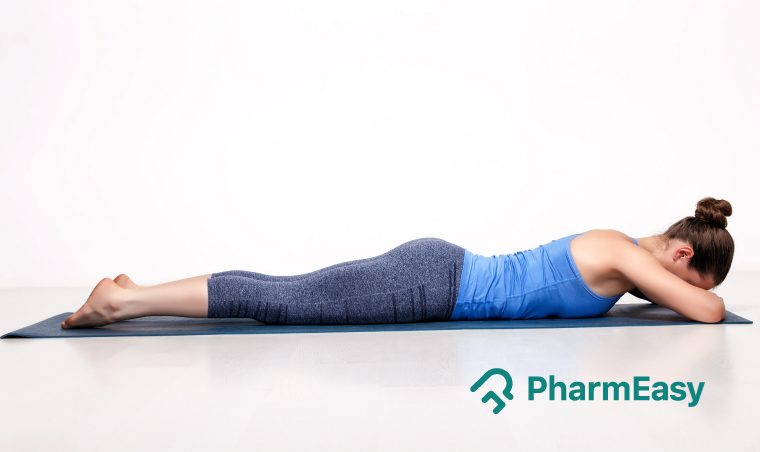
Meena, 45, a homemaker from Jaipur, noticed a persistent heaviness after meals and occasional discomfort in her lower back that was beginning to affect her daily routine. Like many in India, her lifestyle involved long hours of sitting and a diet rich in flavour but sometimes heavy on her system.
She had heard about yoga's therapeutic benefits and decided to explore poses that could specifically address her concerns. After consulting with her physician, she was introduced to Makarasana, the Crocodile Pose, a seemingly simple posture that promised significant relief.
Honestly, the human body is an incredible machine, capable of remarkable resilience and healing. However, modern lifestyles, characterized by prolonged sitting, tension, and dietary shifts, often put a strain on its natural equilibrium. In many cases, we seek solutions in quick fixes, forgetting the profound wisdom embedded in practices like yoga, which have been honed over centuries.
Makarasana, or the Crocodile Pose, stands as a testament to this ancient knowledge, offering a gentle yet effective pathway to improved physical and mental well-being. Think about it this way: it’s a pose that works with your body's natural gravity and internal mechanisms rather than against them.
Recovery is rarely linear.
Makarasana, derived from the Sanskrit word 'Makara' meaning crocodile, is an asana that primarily targets the abdominal organs and the lower back. It's often considered a preparatory pose for more advanced backbends, but its standalone benefits are substantial. This pose is particularly beneficial for individuals experiencing digestive issues, back pain, and tension.
It encourages deep breathing and promotes relaxation, making it a valuable addition to any yoga or wellness routine. Have you ever wondered why certain simple postures can have such a profound impact? It's often due to their ability to stimulate internal organs and promote the free flow of energy (prana).
From a physiological perspective, Makarasana works by gently compressing the abdominal region while simultaneously elongating the spine. This dual action stimulates the digestive organs, including the stomach, intestines, and liver. This stimulation aids in improving the motility of the gut, thereby enhancing gut function and potentially alleviating issues like indigestion, bloating, and constipation. A study published in the Journal of Alternative and Complementary Medicine highlighted how specific yoga poses can positively influence gut health.
Digestive Health: The gentle pressure on the abdomen helps to massage the internal organs. This process is crucial for efficient nutrient absorption and waste elimination. It's akin to giving your gut a gentle internal massage. Over 101 million Indians have diabetes (ICMR, 2023), a condition often linked to metabolic wellness and diet, underscoring the importance of optimizing gut function.
Back Pain Relief: Makarasana is excellent for strengthening the back muscles and improving spinal flexibility. By elongating the spine and relieving pressure on the vertebral discs, it can effectively reduce lower back pain, a common ailment affecting a major portion of the population. Reports suggest that chronic back pain affects approximately 20-40% of adults globally.
Stress Reduction and Relaxation: The pose encourages deep, diaphragmatic breathing, which activates the parasympathetic nervous system—the body's 'rest and digest' mode. This helps to calm the mind, reduce anxiety, and promote a sense of overall well-being. In today's fast-paced world, where stress-related illnesses are on the rise—with the World Health Organization (WHO) identifying tension as a major health epidemic—such practices are invaluable.
Improved Posture: Regular practice can help strengthen the core muscles and improve spinal alignment, contributing to better posture over time. This is especially relevant for individuals who spend long hours seated, whether at work or during daily chores, a frequent scenario in Indian households, particularly during festivals when floor sitting is prevalent.
Core Strengthening: While seemingly passive, holding Makarasana requires engagement of the core muscles to maintain stability. This subtle engagement contributes to building core strength, which is fundamental for supporting the spine and improving overall physical function.
Performing Makarasana is straightforward and accessible to most individuals, regardless of their prior yoga experience. Here's how to do it correctly:
While Makarasana is generally safe, certain precautions should be taken. Individuals with severe neck problems or acute back injuries should consult their doctor or a qualified yoga instructor before attempting the pose.
The International Diabetes Federation (IDF) highlights the importance of holistic approaches to wellness management, and yoga fits well within this framework.
Modifications: If resting your forehead on your hands is uncomfortable, you can place a folded blanket or a small cushion under your forehead for support. make sure your neck remains aligned with your spine throughout the pose. For those with sensitive wrists, adjusting the angle of the forearms might be necessary.
Breathing Technique: The emphasis on deep abdominal breathing is crucial. This technique not only aids gut function but also promotes a profound sense of calm. In essence, the pose encourages you to connect with your breath and your body's inner rhythm.
The practice of yoga, including asanas like Makarasana, is deeply woven into the fabric of Indian culture. It's not merely a physical exercise but a holistic approach to life, emphasizing the interconnectedness of mind, body, and spirit. During the monsoon season, when the humidity can affect gut function and increase feelings of lethargy, incorporating poses like Makarasana can be particularly beneficial. The gentle stimulation of the digestive system helps counteract the sluggishness often associated with this season.
This is where most patients struggle.
On top of that,, yoga's emphasis on mindful movement and breath aligns perfectly with the Indian philosophical traditions that value inner peace and self-awareness. The average Indian diet, while diverse and delicious, can sometimes be heavy, making gut aids like Makarasana all the more relevant. The pose encourages a mindful approach to eating and gut function, promoting a healthier relationship with food.
Here's the thing — Makarasana is a powerful reminder that sometimes the simplest postures can yield the most major results. Its accessibility means that almost anyone can incorporate it into their daily routine, reaping its rewards without needing advanced flexibility or years of practice.
It’s a pose that respects the body’s natural inclination towards balance and healing.
As a physician, I often recommend Makarasana to those affected struggling with digestive discomfort or chronic lower back pain. Its efficacy lies in its simplicity and its ability to work synergistically with the body's natural processes. The key is consistent practice and mindful execution. Don't underestimate the power of this seemingly basic pose.
It's a cornerstone of restorative yoga for a reason. The posture is also surprisingly impactful at releasing tension held in the shoulders and neck, areas that commonly accumulate tension. So what does that mean for you? It means a potential pathway to relief from frequent ailments without resorting to medication, enhancing your overall quality of life.
That's the part worth remembering.
The evidence supporting yoga's role in wellness management is growing. For instance, research published in The Lancet has explored the impact of yoga on mental wellness, and the Indian Council of Medical Research (ICMR) consistently acknowledges the role of lifestyle interventions in disease prevention. Makarasana, as a foundational pose, contributes to this broader landscape of wellness. Its ability to calm the nervous system is particularly noteworthy in an era where mental wellness is gaining critical attention. With over 200 million people in India suffering from some form of chronic pain (according to various wellness surveys), poses that offer natural relief are essential.
Always consult a qualified physician before making any medical decisions.
Visit Hospital
Near You

Does intermittent fasting weight loss actually last? A 2026 one-year follow-up study says yes — people who did just 12 weeks of time-restricted eating kept more weight off a full year later than those who got standard diet advice alone. But a separate Cochrane review of nearly 2,000 adults found int
July 23, 2026

A study of nearly 13,000 Brazilian adults found that people who consumed the most artificial sweeteners had noticeably faster memory and thinking decline over eight years than those who consumed the least. The effect was strongest in adults under 60 and in people with diabetes. Researchers stress th
July 23, 2026
Discover how to find a top nephrologist in Alipurduar. Expert advice on kidney care and choosing the right specialist for your health.
May 20, 2026