

Emergency & Help
24/7 Emergency & General Advisory
🚨 24/7 Medical Emergency
Non-Emergency Advisory
10:00 AM – 6:00 PM, Mon–Sat
For appointments & general queries.
24/7 Emergency & General Advisory
🚨 24/7 Medical Emergency
Non-Emergency Advisory
10:00 AM – 6:00 PM, Mon–Sat
For appointments & general queries.
Explore Malasana's benefits, from digestion to joint health. Learn how to do the Garland Pose with expert guidance for a healthier you.
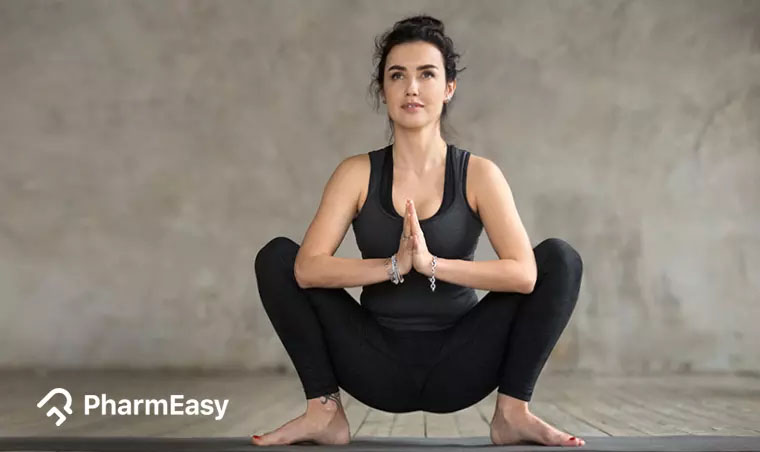
Meena, 45, a homemaker from Jaipur, noticed a persistent ache in her lower back and a feeling of sluggishness, especially after meals. Her family physician, familiar with the holistic approach often embraced by Indian households, suggested incorporating simple yet effective yoga practices into her daily routine.
Among the recommendations was the Garland Pose, a squatting posture deeply rooted in traditional wellness practices. This ancient asana, often performed during community gatherings or as a natural resting position, offers a wealth of physical and mental benefits.
The reality is, many of us, accustomed to chairs, have lost the natural ability to perform a deep squat comfortably. This decline in squatting proficiency can contribute to various modern ailments, from digestive issues to musculoskeletal discomfort.
The Garland Pose, however, invites us to reclaim this fundamental human movement, fostering a connection with our bodies and promoting overall well-being. In many cases, the simplicity of this pose belies its profound impact.
That's the part worth remembering.
The Garland Pose is more than just a squat. It’s a gateway to enhanced physical function and mental clarity.
Its benefits extend across various bodily systems, addressing common concerns prevalent in today's fast-paced world, particularly within the context where sitting on the floor for extended periods, like during festivals or family meals, is frequent.
One of the most celebrated advantages of this pose is its positive effect on the digestive system. The deep squat gently compresses the abdominal organs, stimulating peristalsis – the wave-like muscular contractions that move food through the digestive tract. This stimulation can alleviate frequent issues like constipation and bloating. Worth knowing: A study published in the Journal of Ayurveda and Integrative Medicine highlighted how yoga poses, including the Garland Pose, can significantly improve gut motility and reduce symptoms of Irritable Bowel Syndrome (IBS). Approximately 10-15% of the population suffers from IBS, making poses that support digestive well-being particularly relevant.
The modern lifestyle, characterized by prolonged sitting, often leads to tight hips and a restricted pelvic region. This pose is an exceptional hip opener, stretching the hips, groin, and inner thighs. This improved mobility can alleviate stiffness and pain, particularly in the lower back and hips.
For women, the pose can be beneficial for pelvic floor well-being, especially postpartum. The International Osteoporosis Foundation (IOF) notes that improved mobility and reduced stiffness are crucial for maintaining bone well-being as we age, a concern for a significant portion of the aging population.
While it might seem like a passive pose, the Garland Pose actively engages the core muscles and strengthens the back. Maintaining an upright posture in the squat requires core stability, which in turn supports the spine. This is particularly helpful for individuals experiencing mild to moderate back pain.
Here's where it gets interesting.
A report by the WHO indicates that back pain is a leading cause of disability worldwide, affecting millions. Practicing this pose regularly can contribute to a stronger, more resilient back.
The squatting position naturally encourages better blood flow towards the pelvic region and lower extremities. This enhanced circulation can help reduce swelling (edema) in the ankles and feet, a widespread complaint during the monsoon season in many parts of the country due to humidity and changes in activity levels.
So what does it mean for you? It means potentially less discomfort and better overall vascular well-being.
Like many yoga poses, the Garland Pose has a calming effect on the nervous system. The focus required to maintain the pose, combined with deep breathing, helps to quiet the mind and reduce stress and anxiety.
This introspective practice can foster a sense of grounding and peace. The National Institute of Mental Health and Neurosciences (NIMHANS) in Bangalore often emphasizes the role of mindful movement in managing stress, a growing concern in urban areas.
For those practicing more advanced yoga, the Garland Pose serves as an excellent preparatory pose. It increases flexibility in the hips and ankles, making it easier to transition into other seated or squatting postures. This foundational strength and flexibility are crucial for a safe and successful yoga journey.
Recovery is rarely linear.
Performing the Garland Pose is straightforward, but attention to alignment is key to reaping its full benefits and avoiding injury. Here’s a step-by-step guide:
Begin by standing with your feet slightly wider than hip-width apart. Turn your toes out at about a 45-degree angle. You can adjust the foot placement slightly wider or narrower depending on your comfort and hip flexibility.
As you inhale, begin to bend your knees and lower your hips down towards the floor, as if you were sitting in a chair but sinking much lower. Keep your spine long and your chest lifted. Your goal is to get your hips as close to the floor as possible while maintaining a straight back. Avoid rounding your spine.
Bring your palms together in Anjali Mudra (prayer position) at the center of your chest. Place your elbows on the inside of your knees. As you exhale, gently press your elbows against your inner knees, and simultaneously press your knees outward against your elbows. This action helps to deepen the hip opening and lengthen the spine.
Keep your feet firmly grounded. If your heels lift off the floor, you can place a folded blanket or yoga block underneath them for support. Breathe deeply and evenly. With each inhale, lengthen your spine; with each exhale, try to sink a little deeper into the squat, allowing your hips to relax.
It sounds simple. It rarely is.
Hold the pose for 5-10 deep breaths, or for as long as feels comfortable. To exit, inhale and press into your feet to straighten your legs, returning to a standing position. Alternatively, you can slowly lower yourself to a seated position if that feels more comfortable.
The reality is, not everyone can comfortably achieve a deep squat initially. Modifications are essential for making this pose accessible and beneficial for all levels.
But why does this happen? Tightness in the hamstrings, hips, or ankles can prevent a deep, comfortable squat.
Consistent, gentle practice with modifications is the key to gradually improving flexibility. The International Diabetes Federation (IDF) guidelines often recommend lifestyle changes, including physical activity, for managing diabetes, and yoga is a prime example.
Incorporating the Garland Pose into your daily routine can be surprisingly simple. Consider it a natural break during your workday, especially if you work from home and have the flexibility to move.
It can also be a wonderful way to start your morning, awakening the body and mind. For those who enjoy traditional floor seating, this pose can boost comfort and endurance in that position.
Think about performing the pose after your morning puja or before preparing meals. It can be a mindful transition, allowing you to connect with your body before engaging in daily activities.
Practicing it during leisure time, perhaps while listening to calming music, can enhance its stress-reducing effects. The key is consistency, even if it’s just for a few minutes each day.
Always consult a qualified physician before making any medical decisions.
Visit Hospital
Near You

Does intermittent fasting weight loss actually last? A 2026 one-year follow-up study says yes — people who did just 12 weeks of time-restricted eating kept more weight off a full year later than those who got standard diet advice alone. But a separate Cochrane review of nearly 2,000 adults found int
July 23, 2026

A study of nearly 13,000 Brazilian adults found that people who consumed the most artificial sweeteners had noticeably faster memory and thinking decline over eight years than those who consumed the least. The effect was strongest in adults under 60 and in people with diabetes. Researchers stress th
July 23, 2026
Discover how to find a top nephrologist in Alipurduar. Expert advice on kidney care and choosing the right specialist for your health.
May 20, 2026