

Emergency & Help
24/7 Emergency & General Advisory
🚨 24/7 Medical Emergency
Non-Emergency Advisory
10:00 AM – 6:00 PM, Mon–Sat
For appointments & general queries.
24/7 Emergency & General Advisory
🚨 24/7 Medical Emergency
Non-Emergency Advisory
10:00 AM – 6:00 PM, Mon–Sat
For appointments & general queries.
Learn vital strategies to prevent cardiovascular death, from lifestyle changes to medical interventions. Expert advice for a healthier heart.
Cardiovascular death remains a leading cause of mortality globally. The reality is, many of these deaths are preventable. We often see people struggling with the aftermath of a heart attack or stroke, conditions that could have been mitigated with proactive care. Understanding the likelihood factors is the first crucial step in prevention.
Key indicators for increased cardiovascular likelihood include high blood pressure (hypertension), high cholesterol, diabetes, obesity, and smoking. India faces a significant burden; for instance, approximately 77 million people have diabetes (IDF, 2023), a major contributor to heart disease.
Similarly, the World Health Organization (WHO) reports that raised blood pressure is a major cause of premature heart attack and stroke.
Hypertension, or high blood pressure, is a silent killer. It often shows no obvious signs but puts immense strain on your heart and blood vessels. Uncontrolled, it significantly boosts the possibility of heart attack, stroke, and kidney failure. Managing this condition is vital.
What is high blood pressure? It’s when the force of blood against your artery walls is consistently too high. The American Heart Association (AHA) recommends regular monitoring. For many, lifestyle changes are the first line of approach. This includes a heart-healthy diet low in sodium, regular physical activity (at least 150 minutes of moderate-intensity aerobic activity per week), maintaining a healthy weight, and limiting alcohol intake. If lifestyle changes aren't enough, physicians prescribe medications, such as ACE inhibitors or diuretics, to bring the pressure down reliably. Honestly, adherence to medication is often key.
Cholesterol, a waxy substance, is necessary for building healthy cells. However, high levels of certain types, particularly LDL (low-density lipoprotein or ‘bad’ cholesterol), can lead to plaque buildup in arteries. This narrowing (atherosclerosis) restricts blood flow.
Most people overlook this completely.
The Indian Council of Medical Research (ICMR) highlights that dyslipidemia (abnormal blood lipid levels) is prevalent. A balanced diet is crucial here. Focus on fruits, vegetables, whole grains, and lean proteins. Limit saturated and trans fats found in fried foods and processed snacks.
Regular exercise also helps improve cholesterol profiles. When diet and exercise fall short, statins are a proven therapy to lower LDL cholesterol effectively. Your doctor will monitor your lipid profile regularly.
Diabetes, especially uncontrolled Type 2 diabetes, significantly elevates cardiovascular danger. High blood sugar levels over time damage blood vessels and the nerves that control the heart. This damage can lead to heart attacks, strokes, and peripheral artery disease.
Living with diabetes is genuinely hard, and managing it requires constant vigilance. The primary approach involves maintaining stable blood glucose levels through diet, exercise, and medication if needed. Physicians often recommend a diet rich in fiber and low in refined carbohydrates.
That's the part worth remembering.
Regular physical activity helps strengthen insulin sensitivity. For many, oral medications like metformin or, in some cases, insulin injections are necessary to keep blood sugar within target ranges, as defined by international diabetes guidelines. Aiming for an HbA1c level below 7% is a common clinical goal.
Excess body weight, particularly abdominal obesity, is strongly linked to other cardiovascular possibility factors like hypertension, high cholesterol, and diabetes. It places extra strain on the heart.
Achieving and maintaining a healthy weight is a vital part of cardiovascular prevention. Here's the thing — even a modest weight loss of 5-10% can yield marked health benefits.
This is best achieved through a combination of a calorie-controlled, nutritious diet and consistent physical activity. Working with a dietitian or nutritionist can provide personalized guidance and support.
Smoking is one of the most potent and modifiable danger factors for cardiovascular disease. The chemicals in tobacco smoke damage blood vessels, increase blood pressure, reduce the oxygen-carrying capacity of blood, and promote blood clot formation.
Quitting smoking is arguably the single most impactful step an individual can take to strengthen their heart health. Support is available through counseling, nicotine replacement therapies (like patches or gum), and prescription medications.
This is where most patients struggle.
Many healthcare providers offer cessation programs that can significantly boost your chances of success. The benefits start almost immediately after quitting.
Beyond managing specific conditions, adopting a heart-healthy lifestyle is paramount. These changes empower individuals to take control of their cardiac well-being.
A balanced diet is the cornerstone of heart health. Think of your plate as a canvas for wellness. Emphasize:
Physical activity strengthens the heart muscle, improves circulation, helps manage weight, and reduces stress. Aim for at least 150 minutes of moderate-intensity aerobic exercise (like brisk walking or cycling) or 75 minutes of vigorous-intensity exercise (like running or swimming) each week.
Incorporate strength training exercises at least two days a week.
How serious is this really? Even short bursts of activity throughout the day add up. Taking the stairs instead of the elevator or going for a walk during lunch breaks can make a difference.
Chronic stress can contribute to high blood pressure and other heart problems. Finding healthy ways to cope is essential. Techniques include:
Finding what works for you is key. Many of us have found solace in simple practices like listening to music or spending quiet time with loved ones.
Sleep is vital for heart health. Poor sleep is linked to increased possibility of obesity, hypertension, and diabetes. Aim for 7-9 hours of quality sleep per night. Establishing a regular sleep schedule and creating a relaxing bedtime routine can help elevate sleep quality.
While lifestyle changes are foundational, medical interventions play a crucial role, especially for those with established chance factors or existing cardiovascular conditions. Regular check-ups are non-negotiable.
Routine screenings enable early detection of potential problems. Physicians recommend regular checks for:
These screenings, often recommended annually or more frequently depending on individual possibility, allow for timely adjustments to treatment plans. Early detection means more effective intervention.
For many individuals, lifestyle modifications alone are insufficient. Physicians prescribe various medications to manage cardiovascular chance factors. These may include:
It is vital to take prescribed medications exactly as directed. Never stop or change dosages without consulting your doctor. Understanding your medications is part of responsible health management.
For individuals who have experienced a heart attack, undergone heart surgery, or have heart failure, cardiac rehabilitation is a crucial program. This supervised program — often recommended by institutions like the All India Institute of Medical Sciences (AIIMS) — combines:
Here's where it gets interesting.
Cardiac rehab has proven highly reliable in improving recovery, reducing the danger of future cardiac events, and enhancing overall quality of life. It offers structured support during a challenging recovery period.
Sudden cardiac death (SCD) is often unexpected and tragic. It typically results from an electrical disturbance in the heart. While some possibility factors are uncontrollable (like genetics), many are related to underlying heart conditions that can be managed.
Maintaining optimal management of conditions like coronary artery disease, heart failure, and inherited heart rhythm disorders is key. Regular follow-ups with a cardiologist are essential for those at high likelihood.
In some cases, implantable devices like cardioverter-defibrillators (ICDs) may be recommended by specialists to prevent fatal arrhythmias. Prompt recognition and response during a cardiac emergency — such as performing CPR and calling for emergency medical services — can save lives.
That's the part worth remembering.
Knowledge is power For heart health. Understanding the signs and symptoms of heart attack and stroke is critical.
For a heart attack, these can include chest pain or discomfort, shortness of breath, pain in the arms, back, neck, or jaw, and cold sweats. Stroke signs often manifest as sudden numbness or weakness, confusion, trouble speaking, vision problems, or dizziness and loss of balance.
But why does this happen? Because prompt medical attention significantly improves outcomes. If you or someone else experiences these signs, call for emergency medical enable immediately.
Delays can lead to irreversible damage. Educating families and communities about cardiovascular health empowers everyone to make better choices and respond effectively in emergencies.
Taking consistent steps towards a healthier lifestyle is like tending to a garden; it requires patience and dedication, but the rewards are a vibrant, long life. Remember, your heart is your body's engine – keep it running smoothly!
Always consult a qualified physician before making medical decisions.
Yes, people with diabetes can eat rice, but portion control and the type of rice are important. Opt for brown rice over white rice whenever possible, as it has more fiber and a lower glycemic index. Monitor your blood sugar levels after eating rice to understand how it affects you personally.
If you have normal blood pressure, checking it once a year during your routine physical is usually sufficient. However, if you have been diagnosed with hypertension or have other likelihood factors, your doctor may recommend more frequent monitoring at home or in the clinic. Always follow your physician's specific advice.
That alone changes everything.
Absolutely, but it must be done under medical guidance. For individuals with heart conditions, a supervised cardiac rehabilitation program is often the safest and most powerful way to start exercising. Your cardiologist or cardiac rehab team will create a personalized exercise plan tailored to your specific issue and fitness level.
The most frequent symptom is chest pain or discomfort, often described as pressure, squeezing, or fullness. Other signs include pain or discomfort in one or both arms, the back, neck, jaw, or stomach, shortness of breath, cold sweats, nausea, or lightheadedness. If you experience any of these, seek emergency medical assist immediately.
Visit Hospital
Near You
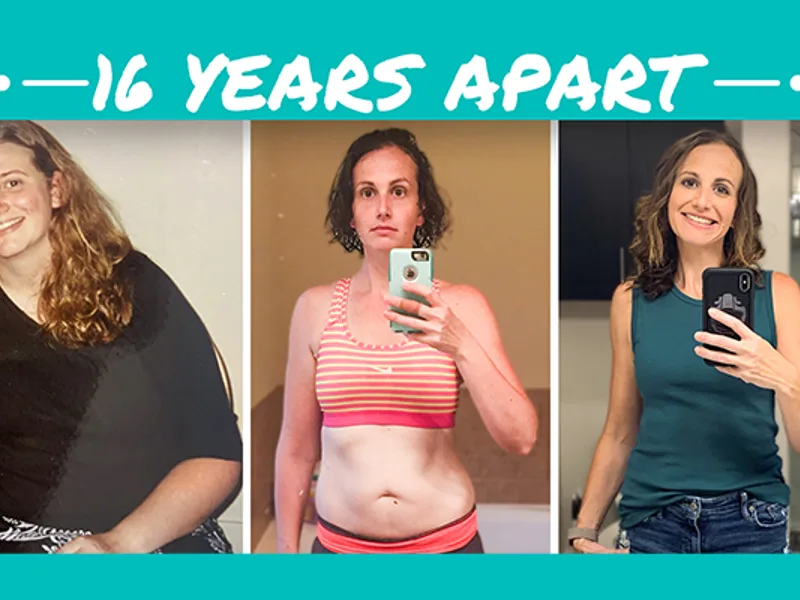
Does intermittent fasting weight loss actually last? A 2026 one-year follow-up study says yes — people who did just 12 weeks of time-restricted eating kept more weight off a full year later than those who got standard diet advice alone. But a separate Cochrane review of nearly 2,000 adults found int
July 23, 2026

A study of nearly 13,000 Brazilian adults found that people who consumed the most artificial sweeteners had noticeably faster memory and thinking decline over eight years than those who consumed the least. The effect was strongest in adults under 60 and in people with diabetes. Researchers stress th
July 23, 2026
Discover how to find a top nephrologist in Alipurduar. Expert advice on kidney care and choosing the right specialist for your health.
May 20, 2026