

Emergency & Help
24/7 Emergency & General Advisory
🚨 24/7 Medical Emergency
Non-Emergency Advisory
10:00 AM – 6:00 PM, Mon–Sat
For appointments & general queries.
24/7 Emergency & General Advisory
🚨 24/7 Medical Emergency
Non-Emergency Advisory
10:00 AM – 6:00 PM, Mon–Sat
For appointments & general queries.
Discover natural ways to ease gas and bloating. Learn simple yoga poses and everyday positions to find quick relief and a comfortable stomach.
Meena, 45, a homemaker from Jaipur, experienced a constant sensation of fullness and uncomfortable pressure in her abdomen, particularly after eating. This feeling of abdominal fullness, along with embarrassing episodes of gas, had started to impact her everyday activities, making her reluctant to join family functions or even sit comfortably during celebrations. Similar to many individuals in India, Meena's dietary habits, which frequently feature rich, spiced meals and are sometimes consumed rapidly, can contribute to gastrointestinal unease.
Have you ever pondered the reasons behind this? What actions should you take when your stomach feels distended?
Gas and abdominal distension are exceptionally prevalent issues, affecting a substantial segment of the populace. In India, where traditional cuisines often incorporate ample legumes, specific vegetables, and fried items, gastrointestinal complaints like abdominal fullness are commonly observed. Over 101 million Indians have diabetes (ICMR, 2023), a condition sometimes connected to irregularities in the digestive process, though gas and abdominal fullness are far more widespread and can impact anyone, irrespective of pre-existing health conditions.
These manifestations occur when excess gas accumulates within the alimentary canal, frequently due to inhaled air, the fermentation of partially digested sustenance in the gut, or certain health concerns. While over-the-counter pharmaceuticals are available, many individuals seek natural, readily accessible methods for alleviation. Fortunately, straightforward physical movements and specific postures can significantly assist in expelling trapped gas and diminishing abdominal fullness.
Consider this analogy: your gastrointestinal system resembles an extended, meandering conduit. When gas becomes lodged, it requires some assistance to progress. Particular stances can exert mild pressure or alter the arrangement of your abdominal organs, encouraging the gas to move downwards and exit.
Recovery is rarely linear.
What most individuals overlook is that even minor adjustments in body posture can yield a considerable improvement. These strategies are not solely for comfort; they are intended to support your body's inherent functions.
Gentle compression and lengthening of the abdominal region are crucial. Positions involving a forward bend, lying on your back with your knees drawn up, or even specific rotations can help to stimulate the intestines and expel gas.
This approach is particularly effective because it utilizes gravity and manual manipulation to overcome the inertia that frequently causes gas pockets to remain static.
Several straightforward, accessible postures can provide swift relief from gas and abdominal fullness. These are typically adapted from yoga and general physical therapy principles, emphasizing the facilitation of digestion and gas expulsion.
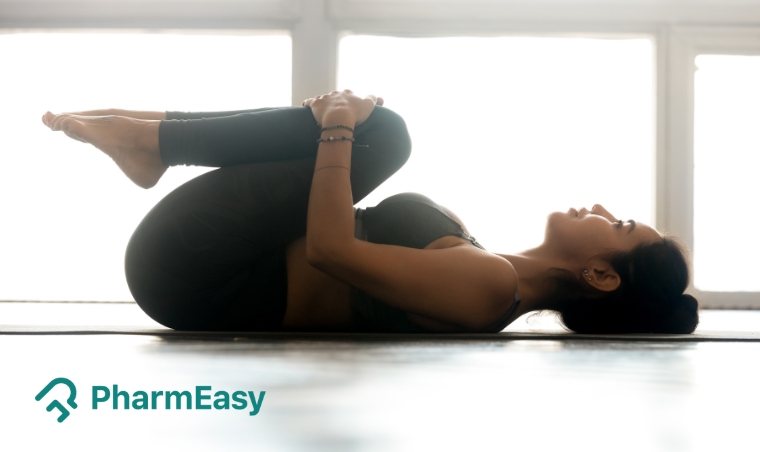
This is arguably the most recognized posture for gas relief. Recline flat on your back. Take a deep inhalation, and as you exhale, draw one knee up toward your chest. Grasp your shin or knee with your hands, drawing it closer with moderate pressure. Hold for 20-30 seconds, concentrating on deep breathing.
That's the part worth remembering.
Release and repeat with the opposite leg. You can then attempt to bring both knees to your chest simultaneously for a more pronounced stretch and gas release. This pose aids in compressing the colon, promoting the expulsion of trapped gas. It's beneficial to note: regularity is paramount; practicing this consistently can enhance overall gastrointestinal transit.
Similar to Pawanmuktasana but generally executed with less forceful pulling, Apanasana involves lying on your back and bringing both knees toward your chest. Gently embrace your knees with your arms. You may sway slightly from side to side to provide a massage to your lower back and abdomen.
This mild pressure assists in propelling gas through the intestines. It serves as a foundational posture for gastrointestinal wellness.
Although commonly associated with relaxation, Child’s Pose can also offer benefits for abdominal distension. Begin on your hands and knees. Bring your big toes to touch and widen your knees slightly. Lower your hips back towards your heels, resting your forehead on the floor.
Extend your arms forward or place them alongside your body. The mild forward inclination applies pressure to the abdomen, which can assist in releasing gas. This posture is especially suitable for experiencing a less severe form of discomfort.
That's the part worth remembering.
Lie on your back with your knees bent and feet flat on the floor. Extend your arms out to your sides, forming a T-shape. Allow both knees to fall to one side, ensuring your shoulders remain in contact with the floor. Turn your head to gaze in the opposite direction.
Hold for 30 seconds to a minute, breathing deeply. Repeat on the other side. This rotation massages the abdominal organs and aids in the movement of gastrointestinal contents, including gas, along the digestive tract. The International Diabetes Federation (IDF) points out that general gut health can influence metabolic well-being, making such simple practices relevant.
While a full Paschimottanasana might present a challenge, a modified variation can be helpful. Sit on the floor with your legs extended in front of you. You can maintain a slight flexion in your knees. Inhale and lengthen your spine. As you exhale, gently bend forward from your hips, reaching toward your feet.
Avoid forcing the movement; aim for a mild stretch. The forward flexion exerts pressure on the abdomen. This is an excellent posture to adopt after meals, perhaps 30 minutes later, if you experience unease. Remember, the objective is mild pressure, not strain.
Here's where it gets interesting.
This dynamic movement, performed on hands and knees, synchronizes your breath with your physical action. Commence on all fours, with your hands positioned beneath your shoulders and your knees beneath your hips. Inhale as you let your belly descend, arching your back and looking upward (Cow pose).
Exhale as you round your spine, tucking your chin to your chest and drawing your navel toward your spine (Cat pose). Moving fluidly between these two poses helps to mildly massage the abdominal organs and stimulate digestion. It is a superb method for warming up the spine and enhancing gut motility.
Beyond specific yoga postures, routine actions and positions can also contribute to managing gas and abdominal fullness.
Simple physical activity such as walking is remarkably proven. A brisk 10-15 minute walk following meals can significantly assist digestion. Movement helps to stimulate the natural peristaltic action of your intestines, propelling gas and waste forward.
This is a recommendation frequently echoed by health professionals at institutions like AIIMS, given its accessibility and validated benefits. Walking is a fundamental component of maintaining gut health, which is increasingly acknowledged as vital for overall well-being.
Recovery is rarely linear.
It's worth noting: reclining on your left side can be particularly advantageous for gas relief. Gravity assists the natural passage of gas through the transverse and descending portions of the colon.
When you lie on your left, these segments of your colon are positioned to allow gas to move more readily toward the rectum. This position is a better choice than lying on your right side, which can sometimes aggravate heartburn for certain individuals.
Utilizing your hands to apply a mild massage to your abdomen in a clockwise direction can enable in moving trapped gas. Begin just below your right rib cage, move down toward your left hip, then up toward your left rib cage, and finally down toward your right hip again, following the course of the large intestine.
This technique, a common element in Ayurvedic practices, can offer substantial relief. The World Health Organization (WHO) underscores the significance of lifestyle factors in managing non-communicable diseases, and gastrointestinal health is a key element.
Understanding the underlying causes can support prevent discomfort in the first instance. widespread contributors include:
While these natural remedies prove powerful for occasional gas and abdominal fullness, persistent or severe manifestations necessitate medical evaluation. If you experience:
These could indicate a more serious underlying situation requiring diagnosis and management by a healthcare provider. Consulting a physician is vital for accurate identification.
The Lancet has published extensive research on the gut microbiome and its association with various health concerns, emphasizing the importance of professional medical counsel.
Always seek advice from a qualified physician before making any health-related decisions.
Visit Hospital
Near You
Does intermittent fasting weight loss actually last? A 2026 one-year follow-up study says yes — people who did just 12 weeks of time-restricted eating kept more weight off a full year later than those who got standard diet advice alone. But a separate Cochrane review of nearly 2,000 adults found int
July 23, 2026

A study of nearly 13,000 Brazilian adults found that people who consumed the most artificial sweeteners had noticeably faster memory and thinking decline over eight years than those who consumed the least. The effect was strongest in adults under 60 and in people with diabetes. Researchers stress th
July 23, 2026
Discover how to find a top nephrologist in Alipurduar. Expert advice on kidney care and choosing the right specialist for your health.
May 20, 2026