

Emergency & Help
24/7 Emergency & General Advisory
🚨 24/7 Medical Emergency
Non-Emergency Advisory
10:00 AM – 6:00 PM, Mon–Sat
For appointments & general queries.
24/7 Emergency & General Advisory
🚨 24/7 Medical Emergency
Non-Emergency Advisory
10:00 AM – 6:00 PM, Mon–Sat
For appointments & general queries.
Learn the numerous health benefits of Sarvangasana (Shoulder Stand) and get expert guidance on performing this yoga pose safely from Dr. Himani Bisht.
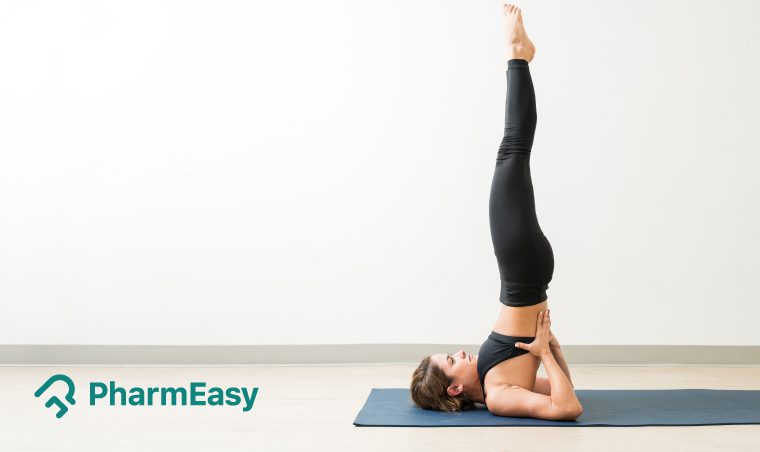
Meena, 45, a homemaker from Jaipur, noticed persistent fatigue and digestive complaints. Her doctor suggested lifestyle changes, including incorporating yoga. Intrigued by tales of Shoulder Stand's restorative power, she sought guidance.
Like Meena, many Indians grapple with common ailments exacerbated by modern lifestyles. The reality is, traditional practices often hold profound wisdom for contemporary health challenges.
Shoulder Stand, commonly known as Sarvangasana, is revered in yoga for its extensive physiological benefits. It's often called the 'queen' of asanas, a testament to its powerful effects on the entire body.
This inversion, where the body is balanced on the shoulders and upper arms with the legs extended upwards, is a cornerstone of Hatha Yoga. While its execution demands careful attention and awareness, the rewards can be substantial.
What most people miss: Sarvangasana isn't just a physical posture; it's a holistic undertaking impacting multiple bodily systems. Its inverted nature significantly influences circulation and hormonal balance.
Most people overlook this completely.
The primary beneficiaries of Sarvangasana are often considered the endocrine glands, particularly the thyroid and parathyroid. By inverting the body, the pose increases flow to the neck region. This enhanced circulation is believed to nourish the thyroid gland, potentially improving its function.
The thyroid gland, as many know, plays a critical role in regulating metabolism, energy levels, and overall bodily functions. Studies suggest that endocrine disorders are increasingly prevalent, with thyroid dysfunction affecting an estimated 42 million people in India (AIIMS data). Properly executed Sarvangasana may offer a complementary approach to supporting thyroid health.
Think about it this way: the digestive system relies on a delicate balance of enzymes and gut motility. Sarvangasana, through its abdominal compression and improved circulation, can stimulate the digestive organs. This stimulation may help alleviate usual digestive complaints like indigestion, constipation, and bloating. Improved flow to the abdominal region can enhance nutrient absorption and waste elimination.
These benefits are particularly relevant during festival seasons, where dietary habits often change drastically, leading to digestive discomfort for many. An estimated 20-30% of the Indian population suffers from chronic constipation (NIN, ICMR). Regular engagement could offer relief.
It sounds simple. It rarely is.
The pressure on the carotid sinuses (located in the neck) during Sarvangasana can stimulate the vagus nerve, a key component of the parasympathetic nervous system. This stimulation promotes relaxation, reduces stress, and calms the mind. In today's fast-paced world, where stress-related ailments are rampant—with hypertension affecting over 15% of urban Indians (ICMR)—a pose that naturally induces tranquility is invaluable.
So what does this mean for you? It means a potential pathway to better stress management and improved mental well-being.
Although primarily an inversion, Sarvangasana also encourages deeper, more conscious breathing. The pose helps strengthen the respiratory muscles and increases lung capacity over time.
This improved respiratory efficiency is beneficial for overall vitality and can be especially helpful for individuals experiencing mild respiratory congestion. Better oxygenation of the blood leads to increased energy and improved cellular function throughout the body.
While the legs are elevated, significant effort is required from the core muscles to maintain stability. The shoulders, arms, and upper back muscles work to support the body's weight, building strength and endurance in these areas.
This balanced strengthening is crucial for maintaining good posture and preventing musculoskeletal issues, which are often exacerbated by prolonged periods of sitting or floor-sitting usual in many Indian households.
It sounds simple. It rarely is.
As an inversion, Sarvangasana reverses the effect of gravity on flow. From the legs and abdomen is encouraged to return to the heart and lungs more efficiently. This can aid reduce swelling in the legs and ankles, improve venous return, and potentially benefit individuals with circulatory issues.
Enhanced circulation nourishes all organs and tissues, promoting overall well-being and rejuvenation. The IDF estimates that diabetes, a condition often linked to circulatory problems, affects over 101 million Indians.
But why does this happen? The efficacy of Sarvangasana lies in its precise alignment and the sustained effort required. Performing it incorrectly can lead to strain or injury. It's crucial to approach this pose with respect and proper guidance.
Before attempting Sarvangasana, ensure you are warmed up. Gentle neck rolls and shoulder stretches are recommended. It's also advisable to engage in foundational poses like Setu Bandhasana (Bridge Pose) and Viparita Karani (Legs-Up-the-Wall Pose) to build strength and familiarity with inversions.
That's the part worth remembering.
Here's the thing — Sarvangasana is not suitable for everyone. Individuals with neck injuries, high blood pressure, glaucoma, or serious heart conditions should avoid this pose or engage only under strict supervision from an experienced yoga therapist. Pregnant women should also refrain from engaging in it.
Modifications can include placing a folded blanket under the shoulders to protect the neck or bending the knees towards the face if straightening the legs is too strenuous. Engaging with props like blocks can also aid in achieving proper alignment safely.
The intricate nature of Sarvangasana necessitates learning from a qualified instructor, especially if you are new to yoga or inversions. An experienced teacher can provide personalized adjustments and ensure you are engaging safely and effectively.
Remember, consistent engagement with proper alignment is key to reaping the full benefits without risking injury. The World Health Organization (WHO) emphasizes the importance of physical activity for chronic disease prevention, highlighting the role of structured exercise like yoga.
The numbers don't lie.
Always consult a qualified physician before making any medical decisions.
Visit Hospital
Near You
Does intermittent fasting weight loss actually last? A 2026 one-year follow-up study says yes — people who did just 12 weeks of time-restricted eating kept more weight off a full year later than those who got standard diet advice alone. But a separate Cochrane review of nearly 2,000 adults found int
July 23, 2026

A study of nearly 13,000 Brazilian adults found that people who consumed the most artificial sweeteners had noticeably faster memory and thinking decline over eight years than those who consumed the least. The effect was strongest in adults under 60 and in people with diabetes. Researchers stress th
July 23, 2026
Discover how to find a top nephrologist in Alipurduar. Expert advice on kidney care and choosing the right specialist for your health.
May 20, 2026