

Emergency & Help
24/7 Emergency & General Advisory
🚨 24/7 Medical Emergency
Non-Emergency Advisory
10:00 AM – 6:00 PM, Mon–Sat
For appointments & general queries.
24/7 Emergency & General Advisory
🚨 24/7 Medical Emergency
Non-Emergency Advisory
10:00 AM – 6:00 PM, Mon–Sat
For appointments & general queries.
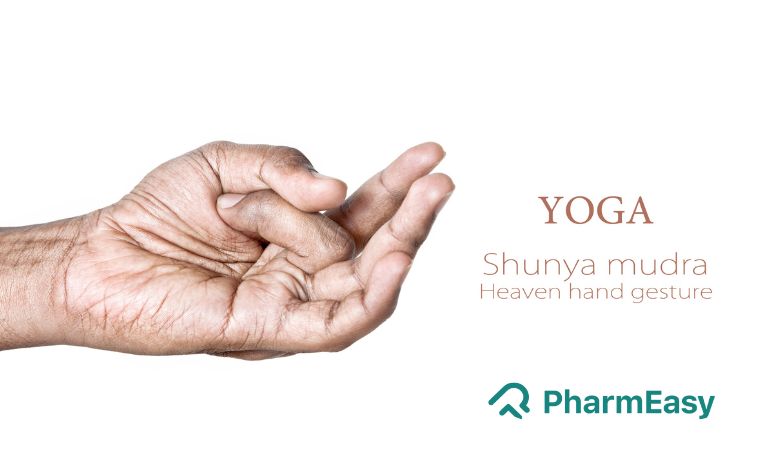
Discover the benefits of Shunya Mudra for ear issues, neck pain, and more. Learn the simple steps to practice this powerful hasta mudra from Dr. Ankit Sankhe.
Meena, 45, a homemaker from Jaipur, noticed a persistent ringing in her ears after a particularly noisy Diwali celebration. The constant tinnitus made concentration difficult, impacting her daily chores and peace of mind.
Similarly, Ravi, a 30-year-old software engineer in Bangalore, struggled with chronic neck pain from prolonged screen time, often feeling a stiff, unbearable ache.
These common Indian scenarios highlight prevalent health concerns that often find relief through ancient practices. Shunya Mudra, also known as the ‘Gestures of Ether’ or the ‘Gestures of the Void,’ is one such powerful hand position. Honestly, its simplicity belies its profound impact on specific bodily discomforts, particularly those related to the ears and neck.
This article, curated by Dr. Ankit Sankhe, a seasoned practitioner and advocate of yogic sciences, explores the myriad benefits of Shunya Mudra and provides a clear guide on its execution.
Practically speaking, yoga and its associated practices like gestures operate on the principle of balancing the five fundamental constituents (Pancha Mahabhutas) within the body: Earth (Prithvi), Water (Jal), Fire (Agni), Air (Vayu), and Ether/Space (Akash). Shunya Mudra primarily influences the Ether constituent, which governs space and emptiness.
It is also closely linked to the Air constituent, as an excess of Air can cause disturbances.
The digit associated with the thumb represents the Fire constituent, while the middle digit represents the Ether constituent. In Shunya Mudra, the middle digit is bent to touch the base of the digit associated with the thumb, and the digit associated with the thumb is then placed gently over the middle digit, pressing it down. This action symbolically reduces the Ether and Air constituents within the body.
It sounds simple. It rarely is.
An imbalance, particularly an excess of Vayu (Air) and Akash (Ether), is often responsible for ailments like earaches, tinnitus, and stiffness in the neck and shoulders. By reducing these constituents, Shunya Mudra helps restore equilibrium. For instance, excessive Vayu can lead to dryness and erratic movements, contributing to joint pain and digestive issues, while an excess of Akash can manifest as emptiness or a feeling of detachment.
The therapeutic applications of Shunya Mudra are quite extensive, particularly for conditions that plague many urban dwellers. Here's the thing — its targeted approach makes it a go-to practice for specific issues.
One of the most celebrated benefits of Shunya Mudra is its efficacy in treating various ear-related problems. These can range from mild discomfort to more persistent issues. The gesture is believed to stimulate the nerves connected to the ears and balance the etheric constituent within the ear canal. This can help alleviate:
By calming the agitated Vayu and Akash constituents, the gesture promotes a sense of stillness within the ear, which is crucial for clear hearing and pain-free existence. This practice can be particularly beneficial for individuals who experience ear discomfort during changes in atmospheric pressure, such as during flights or monsoon seasons in India.
This is where most patients struggle.
Ravi's story is not uncommon. Neck and shoulder pain are rampant, with estimates suggesting that up to 70% of people experience neck pain at some point in their lives. Prolonged sitting, poor posture while working on computers or mobile phones, and stress are primary culprits. Shunya Mudra effectively addresses this by:
The gentle pressure and focused breathing involved in the gesture practice assist release pent-up tension, providing much-needed relief. So what does that mean for you? It means a potential non-invasive, natural remedy for a very frequent modern-day ailment.
In many cases, the positive effects extend beyond the primary target areas:
The interconnectedness of the body means that addressing one imbalance can positively impact other systems. It is fascinating how these simple hand positions can influence such many kinds of physiological functions.
Performing Shunya Mudra is straightforward and can be done anywhere, anytime, although dedicating a quiet space and time enhances its effectiveness. Dr. Ankit Sankhe emphasizes consistency for optimal results.
Here's where it gets interesting.
Find a comfortable seated position. You can sit on the floor cross-legged (like during festivals like Ganesh Chaturthi, where sitting cross-legged is prevalent) or on a chair with your feet flat on the ground. Ensure your spine is erect but relaxed. Close your eyes gently.
Both hands can be used for this gesture, or you can choose one.
This posture is the Shunya Mudra. But why does this happen? The physical contact of the middle digit (Akash) and the digit associated with the thumb (Agni), with the digit associated with the thumb pressing down, symbolises the control and reduction of these constituents.
For therapeutic benefits, it is recommended to practice Shunya Mudra for at least 5 to 15 minutes, two to three times a day. Consistency is key.
Many people find relief within a few days of regular practice, though chronic conditions may require longer commitment. For instance, the International Diabetes Federation (IDF) estimates that over 101 million Indians have diabetes, and managing such chronic conditions requires sustained effort and often a multi-pronged approach.
While holding the gesture, focus on deep, slow breathing. Inhale deeply through your nose, allowing your abdomen to expand, and exhale slowly, releasing all the air. This mindful breathing, known as diaphragmatic breathing or dirga pranayama, amplifies the gesture's effects. The calm rhythm of breath synchronizes with the stillness invoked by the gesture, promoting relaxation and healing.
While Shunya Mudra is generally safe, certain precautions are advised.
Visit Hospital
Near You

Does intermittent fasting weight loss actually last? A 2026 one-year follow-up study says yes — people who did just 12 weeks of time-restricted eating kept more weight off a full year later than those who got standard diet advice alone. But a separate Cochrane review of nearly 2,000 adults found int
July 23, 2026

A study of nearly 13,000 Brazilian adults found that people who consumed the most artificial sweeteners had noticeably faster memory and thinking decline over eight years than those who consumed the least. The effect was strongest in adults under 60 and in people with diabetes. Researchers stress th
July 23, 2026
Discover how to find a top nephrologist in Alipurduar. Expert advice on kidney care and choosing the right specialist for your health.
May 20, 2026