

Emergency & Help
24/7 Emergency & General Advisory
🚨 24/7 Medical Emergency
Non-Emergency Advisory
10:00 AM – 6:00 PM, Mon–Sat
For appointments & general queries.
24/7 Emergency & General Advisory
🚨 24/7 Medical Emergency
Non-Emergency Advisory
10:00 AM – 6:00 PM, Mon–Sat
For appointments & general queries.
Explore Sirsasana benefits, from stress relief to improved circulation. Learn safe headstand techniques and contraindications with Dr. Ankit Sankhe.
Meena, 45, a homemaker from Jaipur, noticed her persistent headaches had worsened considerably over the past few months. She felt a constant sense of fatigue, and her concentration seemed to wane easily, impacting her daily chores and her ability to manage her household effectively. Does this sound familiar?
Many of us experience periods of intense stress and mental fog, often exacerbated by the fast-paced modern lifestyle. The reality is, finding sustainable ways to manage our mental and physical well-being is crucial. Honestly, the ancient discipline of yoga offers a treasure trove of such solutions.
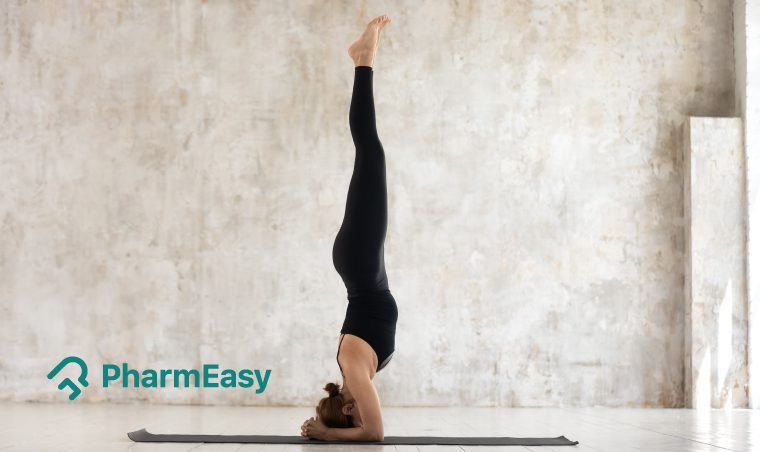
Among the most revered and transformative of yoga poses is the Headstand, commonly known as Sirsasana. This inversion, often called the 'king of all asanas', is not merely a physical feat but a gateway to profound physiological and psychological advantages. Performing the Headstand, when done correctly and consistently, can be a powerful tool for enhancing overall health.
It’s a discipline deeply rooted in Indian tradition, with its origins tracing back millennia. Have you ever wondered why this particular pose has garnered such reverence across generations?
The physiological advantages of performing the Headstand are extensive and well-documented. Firstly, it significantly improves circulation, particularly to the brain. This enhanced flow of oxygenated blood can boost cognitive functions, improve memory, and sharpen concentration.
Most people overlook this completely.
For individuals like Meena, who struggle with headaches and fatigue, the increased blood supply can offer considerable relief. In many cases, regular engagement has been shown to calm the nervous system, thereby reducing stress and anxiety levels.
The pose also stimulates the pituitary gland, often referred to as the 'master gland' of the endocrine system. By stimulating this gland, the Headstand can help regulate hormonal balance, which is vital for mood stability, metabolism, and overall bodily functions.
Here's the thing — a balanced endocrine system is fundamental to preventing a host of health issues, from thyroid imbalances to mood disorders. The force exerted on the scalp also stimulates various nerve endings, promoting a sense of calm and well-being.
On top of that,, the Headstand strengthens the core muscles, shoulders, arms, and upper back, building significant upper body strength and stability. This is not just about physical aesthetics; strong core muscles are essential for maintaining good posture and preventing back pain. A study published in the Journal of Physical Therapy Science indicated that yogic inversions can positively impact spinal decompression and posture correction. The discipline also aids in improving digestion by stimulating the abdominal organs and improving their function. This can be particularly beneficial during festive seasons in India, where dietary habits often undergo major changes, leading to digestive discomfort.
The mental advantages are equally compelling. The Headstand is renowned for its ability to calm the mind and alleviate symptoms of depression and insomnia. By inverting the body, we shift our perspective — quite literally — and this can benefit to break negative thought patterns.
The numbers don't lie.
The intense focus required to maintain the pose cultivates mindfulness and present-moment awareness. This mental discipline translates into better emotional regulation and a greater sense of inner peace. The discipline encourages a deep connection between the mind and body, fostering self-awareness and confidence.
What's more,, the challenge of mastering the Headstand can be incredibly empowering. Overcoming the initial fear and physical awkwardness builds resilience and a sense of accomplishment.
This boost in self-esteem can ripple into other areas of life, helping individuals tackle challenges with greater fortitude. The discipline, when integrated into a holistic lifestyle, can contribute to a more balanced and fulfilling existence.
While the advantages are numerous, it is paramount to approach the Headstand with caution and proper technique. Improper execution can lead to injury, especially to the neck and spine. Therefore, learning from a qualified instructor and engaging diligently are non-negotiable. Here's a breakdown of how to safely enter and hold the pose:
Before attempting the Headstand, ensure you have a stable foundation. Lay down a folded blanket or a yoga mat to provide cushioning for your head and neck. The padding should be firm enough to support your head without letting it sink too deeply. Have a clear space around you, free from any obstacles.
That alone changes everything.
Kneel on the floor. Measure your forearms from your shoulders, ensuring your elbows are directly beneath your shoulders. Interlock your fingers firmly, creating a stable base with your palms and forearms.
Place the crown of your head (the flattest part) onto the folded blanket or mat, tucking your chin slightly towards your chest. Your forearms should form a triangle on the floor, providing a solid tripod support.
Walk your feet forward, lifting your hips towards the ceiling, similar to a downward-facing dog or dolphin pose. Keep your legs as straight as possible, feeling a stretch in your hamstrings and calves.
Continue walking your feet forward until your hips are stacked directly over your shoulders. This alignment is crucial for distributing weight correctly and preventing strain on the neck.
Gently bend your knees and draw them towards your chest, one at a time. This shift in weight should feel manageable. Keep your core engaged throughout this process. The goal is to bring your hips even further over your shoulders, preparing for the lift-off.
Here's where it gets interesting.
Engage your core muscles strongly. Slowly and with control, lift your feet off the floor, bringing your knees closer to your chest or extending your legs upwards. Some practitioners find it easier to lift one leg at a time, while others can lift both simultaneously.
The emphasis must be on maintaining balance and control, not on forcing the movement. The air should feel like it's supporting you.
Once your legs are lifted, gradually extend them straight up towards the sky. Your body should form a straight line from your wrists to your shoulders and then to your hips and feet. Keep your legs active and your toes pointed.
Breathe deeply and evenly. Hold the pose for a duration that feels comfortable and sustainable, starting with 15-30 seconds and gradually increasing as you gain strength and confidence. Initially, you might only be able to hold it for a few breaths.
To come down, reverse the steps. Slowly lower your legs, bringing your knees back towards your chest.
Then, place your feet back on the floor and rest in a child's pose (Balasana) for a few breaths to allow your body to acclimatize. This resting pose is essential for neutralizing the effects of the inversion and allowing your circulatory system to stabilize.
Most people overlook this completely.
While the Headstand offers remarkable advantages, it is not suitable for everyone. In many cases, individuals with certain health conditions should avoid this pose entirely or engage in it only under strict medical supervision. The reality is, safety always comes first.
Honestly, listening to your body is the most critical aspect of engaging in yoga. If you experience any discomfort or pain, immediately come out of the pose.
For beginners, it is highly recommended to learn the Headstand under the guidance of a certified yoga instructor. They can provide personalized adjustments and ensure you are engaging safely. Integrating the Headstand into your weekly routine, perhaps two to three times a week, can yield considerable advantages.
Start with shorter holds and gradually increase the duration as your body adapts. Remember, consistency and mindful engagement are more important than the duration of the hold.
The discipline of the Headstand is more than just a physical exercise; it’s a journey of self-discovery and well-being. Its profound impact on both the physical and mental realms makes it a truly invaluable discipline for those seeking balance and vitality.
By understanding the advantages, respecting the contraindications, and engaging with diligence, you can unlock the transformative power of the Headstand.
Always consult a qualified physician before making any medical decisions.
Visit Hospital
Near You

Does intermittent fasting weight loss actually last? A 2026 one-year follow-up study says yes — people who did just 12 weeks of time-restricted eating kept more weight off a full year later than those who got standard diet advice alone. But a separate Cochrane review of nearly 2,000 adults found int
July 23, 2026

A study of nearly 13,000 Brazilian adults found that people who consumed the most artificial sweeteners had noticeably faster memory and thinking decline over eight years than those who consumed the least. The effect was strongest in adults under 60 and in people with diabetes. Researchers stress th
July 23, 2026
Discover how to find a top nephrologist in Alipurduar. Expert advice on kidney care and choosing the right specialist for your health.
May 20, 2026