

Emergency & Help
24/7 Emergency & General Advisory
🚨 24/7 Medical Emergency
Non-Emergency Advisory
10:00 AM – 6:00 PM, Mon–Sat
For appointments & general queries.
24/7 Emergency & General Advisory
🚨 24/7 Medical Emergency
Non-Emergency Advisory
10:00 AM – 6:00 PM, Mon–Sat
For appointments & general queries.
Discover the profound benefits of Sukhasana (Easy Pose) for mind and body. Learn the correct technique from Dr. Himani Bisht.
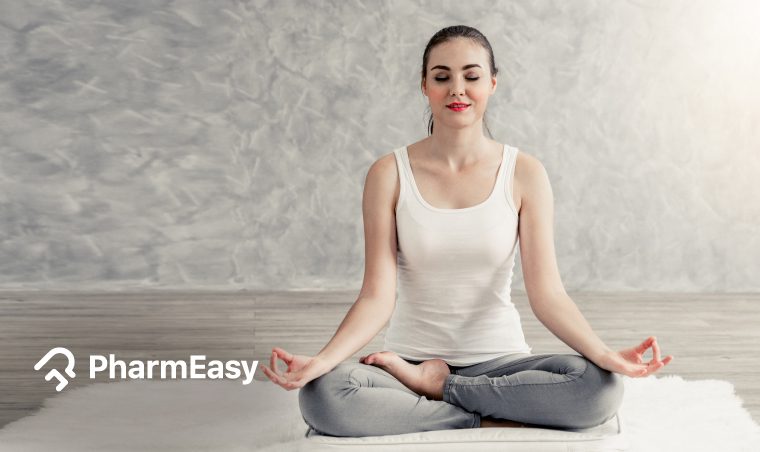
Meena, 45, a homemaker from Jaipur, noticed a persistent stiffness in her lower back and an unsettling restlessness in her mind. Daily chores felt more taxing, and sleep offered little respite. Like many of us navigating the demands of modern Indian life—balancing family, work, and societal expectations—she sought a simple, accessible way to find calm and physical ease.
Her search led her to Sukhasana, the Easy Pose, a foundational position in yoga, often introduced early in training due to its apparent simplicity. But don't let its name fool you; the benefits of Sukhasana, when performed correctly, are anything but easy to dismiss.
Honestly, this position is a gateway to deeper relaxation and mindful awareness. It’s the first step many take towards a more integrated sense of well-being. Think about it this way: Sukhasana isn't just about sitting comfortably; it's about cultivating a mindful presence that can permeate every aspect of your life.
In many cases, the simplicity of the position belies its profound impact on both the physical and mental realms. This article, guided by Dr. Himani Bisht, aims to demystify Sukhasana, exploring its extensive advantages and providing clear, actionable instructions for its engagement.
Here's where it gets interesting.
The seemingly unassuming Sukhasana offers a surprising array of benefits, touching upon physical well-being, mental clarity, and emotional balance. Have you ever wondered why such a basic position is so revered in yogic traditions?
One of the most immediate physical advantages is improved alignment. By encouraging an upright spine, Sukhasana helps counteract the slouching that often results from prolonged sitting—a common issue for office workers and even those who spend considerable time sitting on the floor for household chores or during festivals. This gentle alignment can alleviate pressure on the spinal discs and reduce frequent complaints of back pain.
Studies suggest that regular engagement can strengthen core muscles, which are vital for maintaining spinal integrity. It also opens the hips and stretches the knees and ankles, promoting greater flexibility in these joints over time. For individuals experiencing mild knee discomfort, the gentle flexion in Sukhasana, when performed with proper alignment, can be beneficial, though caution is always advised.
Additionally, the pose can stimulate abdominal organs, aiding digestion. This is particularly relevant in India, where dietary habits can vary widely and digestive issues are quite prevalent. Improved circulation to the lower extremities is another noted advantage.
This is where most patients struggle.
Some practitioners report a reduction in the frequency of leg cramps. The sustained, relaxed position can also contribute to lower blood pressure. According to the World Health Organization (WHO), cardiovascular diseases remain a leading cause of death globally, and lifestyle interventions like yoga are increasingly recognized for their preventative role.
Mentally, Sukhasana is a powerful tool for cultivating calmness and reducing stress. The focus on breath awareness that accompanies the position helps to quiet the 'monkey mind,' those incessant, racing thoughts that often plague us. By drawing attention inward, practitioners can experience a significant reduction in anxiety levels.
This is supported by research indicating that mindfulness-based activities, like those cultivated in Sukhasana, can alter brain activity in areas associated with stress and emotional regulation. Honestly, the sense of peace achievable is remarkable.
Regular engagement has been linked to improved concentration and focus. Think about it this way: by training the mind to remain steady in a simple physical position, you are building the capacity for sustained attention in other areas of life. Emotional balance is another notable outcome.
That's the part worth remembering.
The ability to sit with discomfort—whether physical or emotional—without immediate reaction is a skill honed in positions like Sukhasana. This leads to greater resilience and a more balanced emotional state. Here's the thing: the cumulative effect of this inner stillness can profoundly impact your overall well-being, making you more equipped to handle life's inevitable challenges.
Achieving the full benefits of Sukhasana requires attention to detail and mindful execution. Dr. Himani Bisht emphasizes that while the pose is 'easy,' proper alignment is key to avoiding strain and maximizing its advantages.
A frequent issue people encounter is tightness in the hips and hamstrings, making the 'easy' cross-legged position genuinely difficult. Here's the thing: yoga is about finding what works for your body, not forcing a shape. If traditional Sukhasana is challenging, consider modifications.
Placing cushions under your knees can provide support and reduce strain. For individuals with considerable knee or hip issues, sitting in a chair with feet flat on the floor, maintaining the upright spine, can offer similar benefits for alignment and breath awareness. Honestly, the intention behind the position—cultivating stillness and awareness—is more important than the exact leg arrangement.
That's the part worth remembering.
Another point of confusion involves maintaining an upright alignment without stiffness. The key is to find length through the spine by engaging the core muscles gently, rather than rigidly holding yourself up. Imagine your spine as a stack of coins, each one balanced precisely. The shoulders should be relaxed, not hunched towards the ears.
So what does that mean for you? It means listening to your body is paramount. Pain is a signal to adjust, not to push through.
The practice of sitting cross-legged, as exemplified by Sukhasana, is deeply embedded in Indian culture. From the traditional way of eating meals on the floor to participating in religious ceremonies and even informal gatherings, this position has been a natural part of daily life for centuries.
This ingrained familiarity might explain why many Indians find the basic cross-legged position relatively accessible, although modern lifestyles have introduced new challenges like sedentary behaviour and increased screen time, impacting flexibility.
Culturally, the emphasis on seated meditation and contemplation in various Indian philosophical and spiritual traditions naturally incorporates positions like Sukhasana. It provides a stable base for practices aimed at achieving inner peace and self-realization. In the context of well-being, the rising prevalence of lifestyle diseases in India presents a compelling case for integrating practices like yoga.
Most people overlook this completely.
For instance, over 101 million Indians have diabetes (ICMR, 2023), and conditions like hypertension and obesity are also widespread. Sukhasana, as a simple yet effective tool for stress reduction and promoting mindful living, can play a supportive role in managing these conditions.
The Indian Council of Medical Research (ICMR) and the Indian Heart Association highlight the impact of stress on cardiovascular well-being, making mindful practices crucial. Think about it this way: a few minutes of conscious breathing and comfortable sitting can be a powerful antidote to the daily grind.
Even during the monsoon season, when outdoor activities might be limited, engaging in Sukhasana indoors can be a grounding and restorative activity. It connects us to ancient wisdom while addressing contemporary well-being challenges.
Making Sukhasana a regular part of your life doesn't require extensive time or special equipment. Here's the thing: consistency is more impactful than intensity. Consider incorporating it into moments you already dedicate to stillness.
Recovery is rarely linear.
Have you ever wondered why small, consistent actions yield meaningful results? It’s the principle of compound interest applied to well-being.
By integrating Sukhasana into these natural pauses, you build a foundation of physical comfort and mental clarity that grows over time. Honestly, the accessibility of this position makes it a perfect starting point for anyone looking to embark on a journey of self-care and holistic well-being.
The benefits extend beyond the individual. A calmer, more centered person contributes positively to their family and community. The ripple effect of engaging in mindfulness and self-awareness is immense.
Remember Meena from Jaipur? With consistent engagement, she found her back pain eased, her mind felt quieter, and she navigated her days with renewed energy and a greater sense of peace. Sukhasana, the Easy Pose, proved to be her gentle yet powerful ally.
Always consult a qualified physician before making any medical decisions.
Visit Hospital
Near You
Does intermittent fasting weight loss actually last? A 2026 one-year follow-up study says yes — people who did just 12 weeks of time-restricted eating kept more weight off a full year later than those who got standard diet advice alone. But a separate Cochrane review of nearly 2,000 adults found int
July 23, 2026

A study of nearly 13,000 Brazilian adults found that people who consumed the most artificial sweeteners had noticeably faster memory and thinking decline over eight years than those who consumed the least. The effect was strongest in adults under 60 and in people with diabetes. Researchers stress th
July 23, 2026
Discover how to find a top nephrologist in Alipurduar. Expert advice on kidney care and choosing the right specialist for your health.
May 20, 2026