

Emergency & Help
24/7 Emergency & General Advisory
🚨 24/7 Medical Emergency
Non-Emergency Advisory
10:00 AM – 6:00 PM, Mon–Sat
For appointments & general queries.
24/7 Emergency & General Advisory
🚨 24/7 Medical Emergency
Non-Emergency Advisory
10:00 AM – 6:00 PM, Mon–Sat
For appointments & general queries.
Understand why your upper stomach might be larger than your lower. Explore common causes like bloating, indigestion, and more serious conditions.
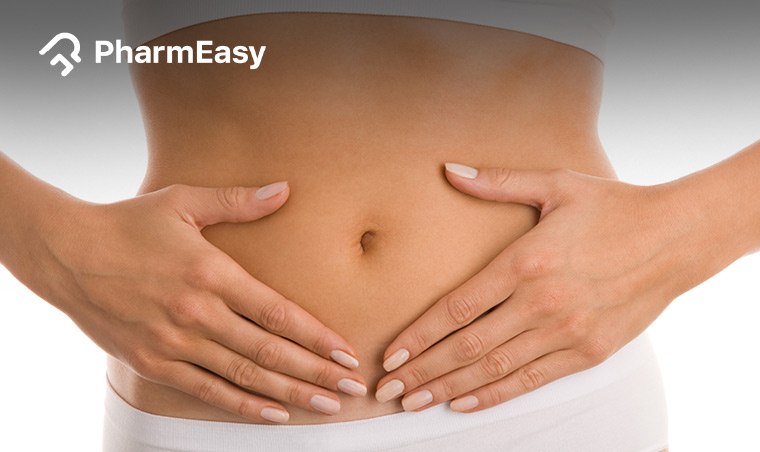
Meena, 45, a homemaker from Jaipur, observed her upper midsection seemed unusually full, resembling a constant protrusion, even as her lower midsection remained comparatively flat. This pronounced contrast caused her unease, particularly with the approaching festive season diets.
She was not the only one experiencing this distinctive midsection contour.
The reality is, a top belly that appears disproportionately larger than the lower region can be a puzzling and sometimes concerning symptom for many individuals. While often dismissed as mere indigestion or overeating, persistent or substantial enlargement warrants deeper investigation.
Consider it this way: our midsection is an intricate space housing essential organs, and any disparity in size or form can indicate underlying issues.
Several factors can lead to a prominent upper midsection. Recognizing these can assist you in identifying potential origins and knowing when to seek expert guidance.
This is perhaps the most common reason. When we consume food, ingest air, or encounter digestive disturbances, gas can gather within the stomach and upper intestines. This trapped gas expands the area, resulting in that 'puffy' sensation and visible distension in the upper midsection.
Elements like eating too rapidly, drinking fizzy drinks, chewing gum, or even specific food types (legumes, cruciferous vegetables) can intensify gas generation. The sheer volume of gas can lead to discomfort and give the upper belly a rounder appearance.
Recovery is rarely linear.
The sheer volume of gas can lead to discomfort and give the upper belly a rounder appearance. Mayo Clinic indicates that while prevalent, ongoing gas can occasionally signal an underlying digestive disorder.
Savoring a substantial meal, particularly during celebrations like Diwali where traditional sweets and rich gravies are plentiful, can temporarily expand the stomach. If you habitually consume large portions or ingest foods that are difficult to digest, your stomach will naturally expand.
This can create a temporary enlargement in the upper midsection. Reflect on how many Indian families traditionally dine on the floor during festivals; this posture, combined with a large meal, can sometimes place increased strain on the upper digestive tract, amplifying the sensation of fullness.
Important to note: Habitual overconsumption can stretch the stomach lining over time, potentially contributing to a less firm midsection appearance.
This condition impairs the stomach's capacity to transfer its contents to the small intestine in a timely manner. When food lingers in the stomach longer than it should, it can result in swelling, queasiness, early satiety (feeling full quickly), and distension of the midsection, primarily in the upper area.
Diabetes is a primary origin of gastroparesis, with research suggesting that as many as 50% of individuals with long-standing diabetes may develop some degree of nerve impairment affecting the stomach (a complication known as diabetic neuropathy). The Indian Council of Medical Research (ICMR) estimates that India has over 101 million individuals living with diabetes (2023), making gastroparesis a considerable concern.
It sounds simple. It rarely is.
So what does this imply for you? If you experience persistent fullness in your upper midsection, especially after meals, accompanied by nausea or vomiting, gastroparesis could be a possibility.
While constipation primarily impacts the lower digestive tract, the backlog of waste can lead to generalized swelling. However, the pressure and distension can at times be more noticeable in the upper midsection, particularly if the stomach is also full.
Chronic constipation affects a substantial segment of the Indian populace, with varying estimates but generally regarded as a frequent ailment.
This is a more serious state where excess fluid accumulates within the abdominal cavity. While ascites can lead to widespread abdominal swelling, it can occasionally manifest as a disproportionately larger upper midsection, especially if the fluid shifts or if tumors are present.
Origins can range from health issues of the liver (such as cirrhosis, which is typical in India due to factors like alcohol use and viral hepatitis) to heart failure, kidney problems, or certain malignancies. The World Health Organization (WHO) identifies liver disease as a major global health burden.
But why does this occur? The body strives to maintain a delicate fluid equilibrium, and when systems like the liver or kidneys are compromised, fluid can escape into the abdominal space. Ascites can lead to rapid weight gain and significant distress.
That's the part worth remembering.
In certain circumstances, the stomach itself can become considerably enlarged. This could stem from an obstruction at the stomach's exit (gastric outlet obstruction) or, less frequently, a concern termed gastric dilatation, where the stomach expands rapidly, often due to excessive air ingestion or vomiting.
This state is a medical emergency and requires immediate intervention.
Beyond typical digestive complaints, other conditions can present with swelling in the upper midsection. These include irritable bowel syndrome (IBS), inflammatory bowel disease (IBD), celiac disease, pancreatitis, and even ailments affecting the spleen or liver.
On top of that,, certain medications, particularly opioids or some antidepressants, can slow down digestion and result in swelling as an adverse effect.
The Lancet has published numerous studies on the prevalence and management of gastrointestinal disorders in South Asia, emphasizing the importance of precise diagnosis.
Occasional swelling in the upper midsection after a large meal is typically not a cause for alarm. However, you should consult a doctor if you experience any of the following:
It is vital to remember that self-diagnosis can be hazardous. A healthcare provider can conduct a thorough examination, review your medical history, and order necessary tests (such as blood analysis, imaging scans like ultrasound or CT, or endoscopy) to pinpoint the exact origin of your upper midsection enlargement.
Physicians use a systematic method to diagnose the origin of upper midsection distension. Initially, a detailed medical history is gathered, followed by a physical assessment where the midsection is gently pressed to check for tenderness, lumps, or fluid. Based on these findings, further investigations may be advised.
The numbers don't lie.
Blood Tests: These can aid in evaluating liver function, kidney performance, detecting inflammation, checking for infections, or identifying markers for conditions like celiac disease or pancreatitis. For instance, liver function assessments (LFTs) are crucial if liver disease is suspected.
Imaging Studies:
Endoscopy (Upper GI Endoscopy): A slender, pliable tube with a camera is inserted down the throat to visualize the esophagus, stomach, and the initial part of the small intestine. This is critical for diagnosing conditions like sores, inflammation, or blockages in these areas. The International Diabetes Federation (IDF) frequently collaborates with national bodies on diabetes-related complications, including gastroparesis.
Stool Tests: Can assist identify infections or issues with nutrient absorption.
Therapy for upper midsection enlargement is entirely contingent on the underlying origin. Here's a look at general strategies:
The primary message is that a persistent alteration in your midsection shape, particularly a noticeable difference between the upper and lower regions, should not be disregarded. Prompt medical assessment can lead to early identification and effective management, improving your health and quality of life.
Always seek guidance from a qualified physician before making any health-related decisions.
Visit Hospital
Near You
Does intermittent fasting weight loss actually last? A 2026 one-year follow-up study says yes — people who did just 12 weeks of time-restricted eating kept more weight off a full year later than those who got standard diet advice alone. But a separate Cochrane review of nearly 2,000 adults found int
July 23, 2026

A study of nearly 13,000 Brazilian adults found that people who consumed the most artificial sweeteners had noticeably faster memory and thinking decline over eight years than those who consumed the least. The effect was strongest in adults under 60 and in people with diabetes. Researchers stress th
July 23, 2026
Discover how to find a top nephrologist in Alipurduar. Expert advice on kidney care and choosing the right specialist for your health.
May 20, 2026