

Emergency & Help
24/7 Emergency & General Advisory
🚨 24/7 Medical Emergency
Non-Emergency Advisory
10:00 AM – 6:00 PM, Mon–Sat
For appointments & general queries.
24/7 Emergency & General Advisory
🚨 24/7 Medical Emergency
Non-Emergency Advisory
10:00 AM – 6:00 PM, Mon–Sat
For appointments & general queries.
Learn about safe and effective dark spot removal in Kolkata, including causes, treatments, costs, and prevention tips from skin experts.
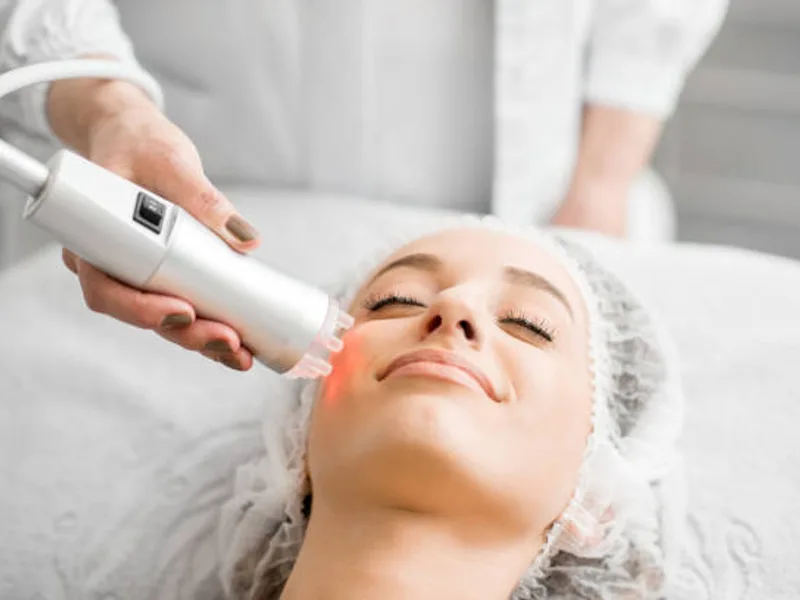
Dark spots on the face and body can affect confidence and skin appearance. These spots may develop due to acne, sun exposure, aging, hormonal changes, or skin inflammation. Many people in Kolkata look for safe and effective solutions to reduce pigmentation and improve skin tone.
Dark spot removal in Kolkata includes several dermatologist-recommended treatments such as chemical peels, laser therapy, topical creams, and medical facials. The right treatment depends on the type and severity of pigmentation.
Dark spots, also called hyperpigmentation, occur when the skin produces excess melanin. Different triggers can lead to uneven skin color over time.
Common causes include:
• Acne scars and post-inflammatory pigmentation
• Excessive sun exposure without sunscreen
• Hormonal changes such as melasma
• Aging and sun damage
• Skin injuries or burns
• Certain medications or cosmetic products
• Pollution and heat exposure
People living in humid and sunny climates like Kolkata may experience more pigmentation due to regular UV exposure and sweating.
Understanding the type of pigmentation helps dermatologists choose the right treatment plan. Some dark spots fade naturally, while others require medical care.
These spots appear after pimples heal and are common in oily or acne-prone skin.
Symptoms include:
• Brown or red marks after acne
• Uneven skin texture
• Small flat patches on cheeks or forehead
Melasma causes patchy pigmentation, often on the cheeks, upper lip, and forehead.
Common triggers:
• Hormonal imbalance
• Pregnancy
• Sun exposure
• Birth control pills
These develop due to long-term UV exposure and are more common with increasing age.
Modern dermatology clinics in Kolkata offer several safe and evidence-based treatments for pigmentation. A skin specialist usually examines the skin before suggesting a treatment plan.
Mild pigmentation may improve with dermatologist-prescribed creams.
Common ingredients include:
• Vitamin C
• Retinoids
• Kojic acid
• Azelaic acid
• Hydroquinone (under medical supervision)
These products help reduce melanin production and improve skin tone gradually.
Chemical peels remove damaged outer skin layers and promote new skin growth.
Benefits of chemical peels:
• Improve acne marks
• Brighten dull skin
• Reduce mild pigmentation
• Smooth skin texture
Mild redness or peeling may occur for a few days after treatment.
Laser therapy targets excess pigmentation using focused light energy. It is often used for stubborn spots and deeper pigmentation.
Laser treatment may help with:
• Sunspots
• Acne scars
• Melasma
• Uneven skin tone
Multiple sessions are usually needed for visible improvement.
These treatments exfoliate dead skin cells and support skin renewal.
Benefits include:
• Better skin texture
• Mild spot reduction
• Improved glow
• Reduced tanning
Professional skin treatments are usually safer and more effective than home remedies when performed by trained dermatologists.
Key benefits include:
• Personalized treatment plans
• Better diagnosis of skin conditions
• Safe use of medical-grade technology
• Reduced risk of skin irritation
• Gradual and natural-looking improvement
A dermatologist can also identify underlying causes such as hormonal imbalance or chronic sun damage.
Prevention plays an important role in maintaining healthy and even-toned skin. Without proper care, pigmentation may return after treatment.
Follow these simple skin care habits:
• Apply broad-spectrum sunscreen daily
• Avoid direct sun exposure during peak hours
• Do not squeeze acne or pimples
• Use gentle skin care products
• Keep the skin hydrated
• Wear hats or umbrellas outdoors
• Follow dermatologist instructions carefully
Sunscreen is especially important in Kolkata’s hot and humid climate.
Some dark spots may look harmless but can indicate underlying skin issues. Medical evaluation is important if pigmentation changes suddenly or becomes severe.
Consult a dermatologist if:
• Dark spots spread quickly
• Home remedies do not help
• Pigmentation becomes itchy or painful
• Acne marks worsen over time
• Skin tone becomes uneven suddenly
Early treatment may help improve results and prevent deeper pigmentation.
Laser treatment is generally safe when performed by a qualified dermatologist. Some temporary redness or sensitivity may occur after the procedure.
The number of sessions depends on the type and severity of pigmentation. Some people may notice improvement in a few sessions, while deeper pigmentation may require longer treatment.
Yes, pigmentation can return if proper skin care and sun protection are not followed regularly.
Chemical peels, laser therapy, and topical medications are commonly used for acne-related dark spots. The best option depends on skin type and scar depth.
Some mild pigmentation may improve with basic skin care, but stubborn or deep pigmentation often requires professional treatment.
Dark spots are a common skin concern caused by acne, sun exposure, hormonal changes, and aging. Fortunately, several safe and medically approved treatments are available for dark spot removal in Kolkata. Options such as chemical peels, laser therapy, and dermatologist-prescribed creams can help improve skin tone and texture over time.
Consulting a qualified skin specialist is important for choosing the right treatment and avoiding skin damage from unverified products or unsafe procedures.
Author: Doctar Team
Visit Hospital
Near You
Find an ear nose throat doctor in Asansol for ear infections, hearing problems, sinus issues, throat symptoms and other ENT concerns.
August 18, 2026
Looking for the best pulmonologist in Asansol? Learn what lung specialists treat, when to consult one, tests used, and how to choose the right doctor.
August 18, 2026

Learn when to see a child specialist doctor, what pediatricians treat, and how parents can choose qualified pediatric care for their child.
August 18, 2026