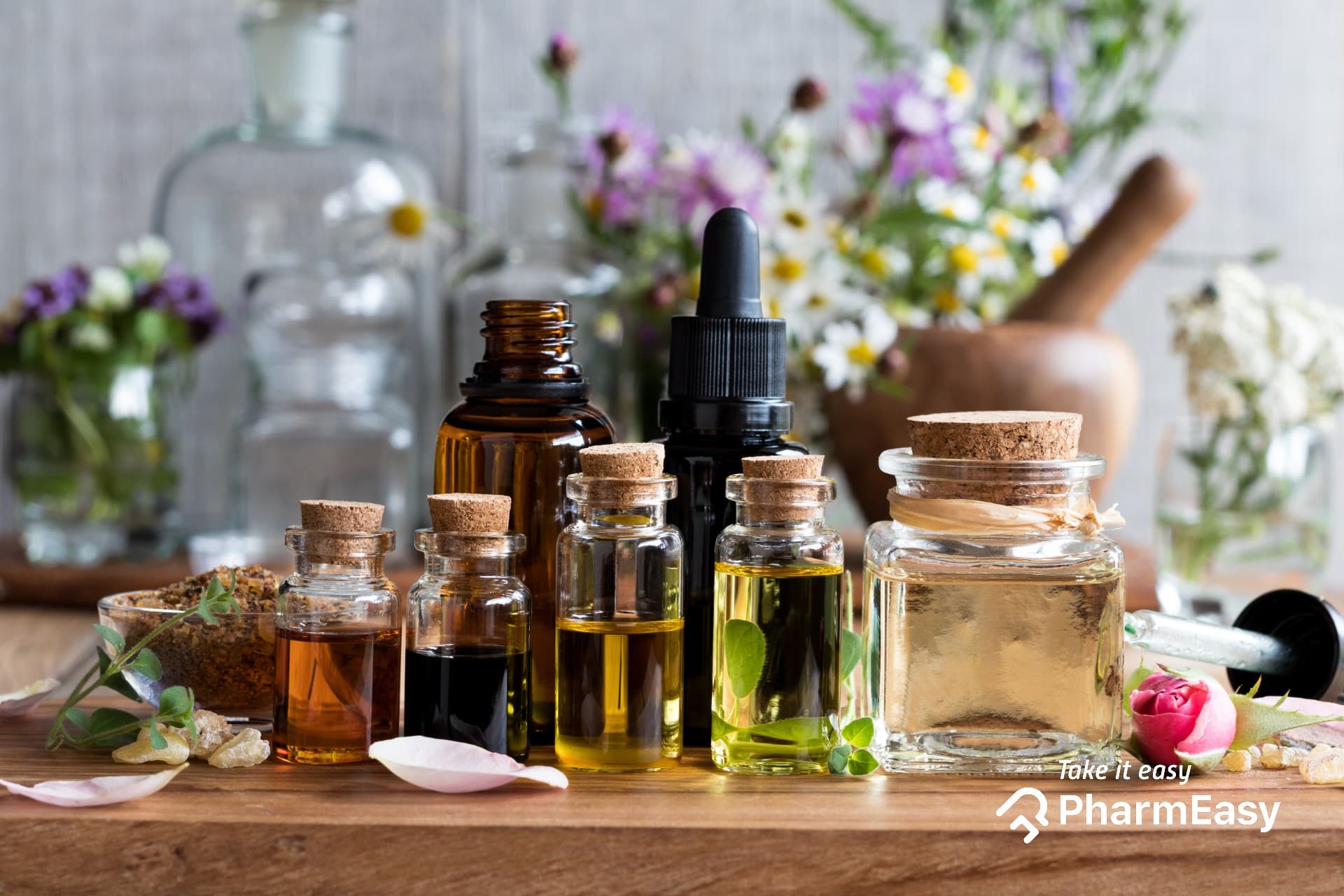
The Aromatic Path to Wellness: Understanding Plant Extracts
Meena, 45, a homemaker from Jaipur, noticed her usual post-monsoon fatigue deepening. The dampness seemed to cling, leaving her feeling sluggish and uninspired. She'd heard whispers about plant extracts from her neighbour who swore by lavender for sleep, but Meena was skeptical.
Could tiny bottles of plant essences truly make a difference to her daily well-being? This is a question many Indians grapple with, especially as we navigate busy lives and seek simple ways to enhance our health.
Plant extracts are highly concentrated essences derived from various parts of plants, including flowers, leaves, bark, roots, and seeds. They are the potent aromatic compounds that give plants their characteristic scent.
Think about it this way: these oils capture the plant's 'essence,' its therapeutic qualities and distinctive fragrance, in a highly concentrated form. For centuries, cultures worldwide have harnessed the power of these aromatic wonders, and their popularity is surging in India, championed by institutions like AIIMS and recognized by global bodies like the WHO for their potential therapeutic applications.
Here's where it gets interesting.
The reality is, while not a replacement for conventional medicine, plant extracts offer a complementary approach to health and wellness. Their use, often referred to as aromatherapy, involves inhaling the scent or applying diluted oils topically. This practice taps into our olfactory system, which has a direct link to the limbic system—the part of the brain that controls emotions, memory, and stress.
So what does that mean for you? It means these fragrant molecules can directly influence your mood, stress levels, and even physiological responses.
6 Simple Health Benefits of Plant Extracts
1. Stress and Anxiety Relief: A Breath of Fresh Air
In the hustle of Indian urban life, stress has become an unwelcome constant for millions. Studies suggest that over 70% of Indians experience significant stress regularly. Plant extracts like lavender, chamomile, and bergamot are renowned for their calming qualities. Inhaling lavender oil, for instance, has been shown in several studies published in journals like The Lancet to reduce anxiety levels and promote relaxation. A simple diffusion in your living space during evening relaxation or placing a drop on your pillow before sleep can make a noticeable difference.
Practically speaking, incorporating aromatherapy into your daily routine can be as simple as adding a few drops of your chosen oil to a diffuser. Have you ever wondered why the scent of certain flowers instantly lifts your mood? It’s the same principle at play, but with concentrated therapeutic benefits.
The amygdala, the brain's 'fear center,' can be calmed by the scent of lavender, leading to a reduction in feelings of panic and unease. This gentle approach offers a mild yet effective way to manage the daily pressures many of us face.
2. Improved Sleep Quality: Embrace Restful Nights
Sleep disturbances plague a marked portion of the population. Reports indicate that nearly 60% of Indians suffer from insomnia or poor sleep quality. Plant extracts such as lavender, valerian root, and sandalwood are potent allies for those struggling to achieve restful sleep.
That's the part worth remembering.
Their sedative and calming effects can help quiet a racing mind, making it easier to fall asleep and stay asleep throughout the night. A warm bath with a few drops of chamomile or ylang-ylang oil before bed can be incredibly restorative.
What most people miss: The connection between scent and rest is profound. The olfactory bulb is directly connected to the brain's emotional center, the amygdala, and the memory center, the hippocampus. When you inhale calming scents like lavender, it signals the brain to relax, slowing heart rate and lowering blood pressure—key physiological markers for rest readiness.
Consider adding a diluted blend to your bedroom diffuser an hour before bedtime. The subtle aroma creates a tranquil environment conducive to deep, restorative sleep, a crucial element for overall health and well-being.
3. Pain Management: Gentle Soothing for Aches and Pains
From the aches of sitting on the floor during family gatherings to the strain of daily chores, pain is a common complaint. Plant extracts like peppermint, eucalyptus, and frankincense possess analgesic and anti-inflammatory qualities that can offer relief. Peppermint oil, for example, contains menthol, which creates a cooling sensation that can distract from pain signals.
Here's where it gets interesting.
Diluted and applied topically to sore muscles or joints, these oils can provide targeted comfort. Studies have explored the efficacy of these oils in managing conditions ranging from headaches to arthritis pain.
Have you ever wondered why rubbing a balm on your temples helps a headache? It's often the cooling sensation, similar to what peppermint oil provides. The anti-inflammatory compounds in oils like frankincense can work to reduce swelling and discomfort at the source.
While severe pain requires medical attention, these simple aids can be a valuable addition to your pain management toolkit for everyday discomforts. Research from institutions like the Indian Council of Medical Research (ICMR) is continually exploring the potential of plant compounds in alleviating various types of pain.
4. Enhanced Mood and Cognitive Function: A Mental Boost
Feeling sluggish or mentally foggy? Certain plant extracts can act as simple mood enhancers and cognitive boosters. Citrus oils like lemon, orange, and grapefruit are known for their uplifting and energizing qualities.
Recovery is rarely linear.
Inhaling their bright aromas can stimulate the release of neurotransmitters like dopamine and serotonin, improving mood and reducing feelings of fatigue. Rosemary oil, on the other hand, is believed to enhance memory and concentration, making it a popular choice for students during exam periods.
The reality is, our sense of smell is intricately linked to our brain's emotional and cognitive centers. A simple sniff of lemon oil can trigger feelings of happiness and alertness, while rosemary can sharpen focus. This makes aromatherapy a powerful tool for combating mental fatigue and enhancing productivity. A study in the Journal of Agricultural and Food Chemistry highlighted the potential of citrus oils in improving mood and reducing stress markers. So what does that mean for you? It means a quick aromatic pick-me-up is always within reach.
5. Skin Health and Rejuvenation: Simple Glow
For centuries, plant-based ingredients have been central to Indian skincare rituals. Plant extracts like tea tree, lavender, and frankincense offer remarkable benefits for skin health.
Tea tree oil is celebrated for its antimicrobial and anti-inflammatory qualities, making it powerful for managing acne and minor skin irritations. Lavender oil soothes redness and promotes healing, while frankincense oil is known for its rejuvenating qualities, potentially reducing the appearance of scars and wrinkles.
Practically speaking, it's crucial to use plant extracts for skincare safely. Always dilute them with a carrier oil, such as coconut or jojoba oil, before applying to the skin. A patch test is recommended to check for sensitivity.
Properly diluted, these oils can be added to moisturisers, cleansers, or used in facial steams to promote a clear, radiant complexion. The International Diabetes Federation (IDF) has also noted the importance of skin health, and simple approaches can complement overall well-being.
Recovery is rarely linear.
6. Immune System Support: A Simple Shield
In the face of seasonal illnesses, bolstering the immune system is paramount. Several plant extracts, including oregano, eucalyptus, and cinnamon, possess potent antimicrobial and antiviral qualities that can enable support the body's simple defenses.
Diffusing these oils during cold and flu season or incorporating them into cleaning products can support create a healthier environment. Oregano oil, in particular, is known for its powerful immune-boosting capabilities, though it must be used with extreme caution due to its potency.
What most people miss: The preventive power of simple remedies. While not a cure, using immune-supportive plant extracts can act as a gentle shield. Think about it this way: creating an environment less conducive to germs and supporting your body's resilience from within.
A meta-analysis published in a leading medical journal indicated that certain plant extracts exhibit considerable antimicrobial activity against a range of pathogens. This suggests a supportive role in maintaining health, especially during vulnerable times.
That's the part worth remembering.
Important Considerations for Using Plant Extracts
While plant extracts offer numerous benefits, responsible usage is key. Always dilute plant extracts with a carrier oil (like almond, coconut, or jojoba oil) before applying them to the skin. A usual dilution ratio is 1-2% for adults (about 6-12 drops of plant extract per ounce of carrier oil). Never ingest plant extracts unless under the direct supervision of a qualified healthcare professional trained in aromatherapy.
Keep oils away from eyes and mucous membranes. Pregnant or breastfeeding women, children, and individuals with pre-existing medical conditions should consult a healthcare provider before use. Ensure you purchase high-quality, pure plant extracts from reputable brands to guarantee their therapeutic efficacy and safety. Remember, even simple substances can cause adverse reactions if misused.
Key Takeaways:
- Plant extracts are concentrated essences used in aromatherapy for therapeutic benefits.
- Lavender and chamomile oils are successful for reducing stress and improving sleep quality.
- Peppermint and eucalyptus oils can support manage minor aches and pains due to their analgesic qualities.
- Citrus oils like lemon and orange can boost mood and enhance cognitive function.
- Always dilute plant extracts with a carrier oil before topical application and avoid ingestion.
Always consult a qualified physician before making any medical decisions.